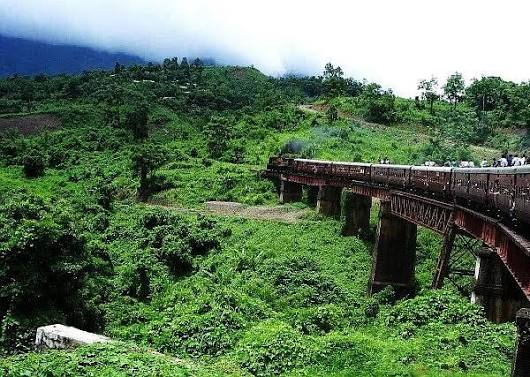
Cachar, Assam: Discover the Heritage and Natural Beauty of Barak Valley
Cachar, Assam, is a fascinating destination in the southern part of the state and an important part of the Barak Valley. Its headquarters, Silchar, sits on the southern bank of the Barak River and serves as an important commercial and cultural centre of southern Assam.
From the historic ruins of the Kachari Kingdom at Khaspur to the spiritual atmosphere of Kancha Kanti Kali Temple, the scenic beauty of Dolu Lake and the hills around Bhuban, Cachar offers a mix of history, culture, nature and spirituality.
The district is also known for its tea gardens, fertile landscapes, diverse communities and its strategic location connecting Assam with Mizoram, Manipur and Tripura. For travellers looking beyond Assam's more famous destinations, Cachar offers an opportunity to experience the distinctive character of Barak Valley.
History of Cachar
The history of Cachar is closely associated with the Kachari Kingdom and the wider history of the Barak Valley. The region was historically known by the name Hadamba, while the modern name Cachar has several proposed origins.
According to one explanation, the name may have originated from the Sanskrit word "Khachar", referring to a broad region near mountains or water. Another explanation connects the name with the Kachari people, while a Sylheti interpretation relates it to land located at the foot of mountains or beside a river.
The British created Cachar district in 1830 after the annexation of the Kachari Kingdom. Over the following decades, the administrative boundaries of the region changed several times. North Cachar was separated in 1854, Karimganj became a separate district in 1983, and Hailakandi was separated in 1989.
Today, Cachar remains one of the important districts of southern Assam, with Silchar functioning as its administrative and commercial centre.
Geography of Cachar
Cachar lies in the southernmost part of Assam and forms an important part of the Barak Valley. The district covers approximately 3,786 square kilometres.
It is surrounded by the hills and states of northeastern India, with Mizoram and Manipur to the south and east, while Hailakandi and Bangladesh lie towards the western side. The Barak River is one of the defining geographical features of the region.
The landscape includes river valleys, wetlands, tea gardens, forests, agricultural land and surrounding hills. This combination gives Cachar a distinctive natural character compared with the plains of central Assam.
| Geographical Feature | What It Adds to the Region |
|---|---|
| Barak River | Shapes the valley and supports local life |
| Tea Gardens | Scenic landscapes and plantation culture |
| Hills | Temples, viewpoints and trekking opportunities |
| Wetlands | Nature, birdwatching and photography |
Culture and Traditions of Cachar
Cachar has a distinctive cultural identity shaped by the communities of the Barak Valley. Bengali and Sylheti are widely spoken, alongside Assamese, Hindi and several indigenous languages.
The cultural landscape of the district reflects Hindu, Muslim, Christian and indigenous traditions. Festivals, food, music, literature, handloom and religious celebrations all contribute to the region's diverse identity.
Barak Valley Culture
Silchar and the surrounding areas have developed a cultural character that is distinct from many other parts of Assam. Bengali literary and cultural traditions have a strong presence, while Assamese and indigenous traditions remain an important part of local life.
Tea Garden Culture
Cachar is home to a number of tea gardens. Tea cultivation has contributed significantly to the region's economy and has also shaped the cultural landscape of southern Assam.
Handloom and Traditional Crafts
Traditional weaving remains an important part of life in the region. Visitors can look for locally made textiles, gamusa, traditional garments, bamboo products and other handicrafts in local markets.
Architecture of Cachar
Cachar's architectural heritage reflects several periods of history, from the Kachari Kingdom to the colonial period and modern Silchar.
Khaspur Royal Remains
The ruins of Khaspur, the former capital of the Kachari Kingdom, are among the most important heritage attractions in Cachar. The surviving Sun Gate, Lion Gate and King's Temple provide glimpses into the region's royal past.
Badarpur Fort
The remains of Badarpur Fort stand near the Barak River and are associated with the historical military landscape of the region. The fort is an interesting stop for travellers interested in the history of southern Assam.
Kancha Kanti Temple
The Kancha Kanti Kali Temple is one of the best-known religious landmarks around Silchar. The temple is dedicated to a form combining aspects of Kali and Durga and has strong connections with the historical Kachari region.
Famous Places to Visit in Cachar
Khaspur
Khaspur was once the capital of the Kachari Kingdom and is one of the most important historical attractions near Silchar. The surviving Sun Gate, Lion Gate and King's Temple are reminders of the kingdom's former prominence.
Located around 20 kilometres from Silchar, Khaspur is a must-visit for travellers interested in history, archaeology and heritage.
Kancha Kanti Kali Temple
Kancha Kanti Kali Temple is an important religious destination near Silchar. The temple is associated with the Kachari Dynasty and is dedicated to the goddess Kancha Kanti, traditionally regarded as a combined form of Kali and Durga.
Dolu Lake
Dolu Lake is a peaceful natural attraction around Silchar. Surrounded by greenery, it offers a relaxing break from the city's busy streets and is particularly suitable for nature lovers and photographers.
Maniharan Tunnel
Maniharan Tunnel is a popular religious and natural attraction associated with local legends connected with Lord Krishna. The site is located in the Bhuban Hills area and is traditionally believed to have spiritual significance.
Bhuban Hill
Bhuban Hill is an important pilgrimage and hiking destination. The Bhubaneswar Temple, dedicated to Lord Shiva, is situated on the hilltop. Reaching the temple requires a hike from the plains, making the journey part of the experience.
Badarpur Fort
Badarpur Fort is located on the banks of the Barak River. The surviving remains provide an interesting glimpse into the historical importance of Badarpur as a strategic location.
Silchar
Silchar, the headquarters of Cachar district, is the main urban centre of Barak Valley. The city is a useful base for exploring the surrounding temples, heritage sites, hills and natural attractions.
Maibang
Maibang was an ancient capital of the Dimasa Kachari Kingdom and is located in neighbouring Dima Hasao district. Although it is outside Cachar, its historical importance and proximity make it a worthwhile extension to a longer Silchar itinerary.
Jatinga
Jatinga, located in Dima Hasao, is another possible extension from Cachar for travellers interested in nature and birdwatching. The valley is known for a seasonal bird-congregation phenomenon, particularly during the late monsoon and autumn months.
Famous Dishes to Try in Cachar
The food culture of Cachar reflects the wider traditions of Barak Valley, with Bengali, Assamese and local influences. Rice, fish, vegetables, lentils and seasonal ingredients are common parts of everyday meals.
Fish Curry
Freshwater fish is an important part of the local diet. Traditional fish curries prepared with spices, vegetables and regional ingredients are worth trying during a visit.
Masor Tenga
Masor Tenga is a light, tangy fish preparation associated with Assamese cuisine. It pairs naturally with steamed rice and is especially refreshing in warm weather.
Pitha
Pitha is a traditional rice-based delicacy enjoyed across Assam and the Barak Valley. Different varieties may be prepared during festivals and special occasions.
Jolpaan
Jolpaan is a traditional light meal or breakfast made with ingredients such as flattened rice, puffed rice, curd and other regional accompaniments.
Traditional Bengali-Style Food
Because of the strong Bengali cultural influence in Barak Valley, visitors can also find a variety of Bengali-style fish, rice, vegetable and sweet preparations in Silchar and surrounding areas.
Famous Personalities Connected with Cachar
Sushmita Dev
Sushmita Dev was born in Silchar, Cachar, and has represented the region in public life. She served as a Member of the Assam Legislative Assembly and later represented Silchar in the Lok Sabha.
Santosh Mohan Dev
Santosh Mohan Dev was a prominent political leader from Silchar and an important figure in the political history of the region. He represented Silchar in the Lok Sabha on multiple occasions and served in the Union Council of Ministers.
Panna Lal Nag
Panna Lal Nag was a Silchar-based actor, businessman and social activist. He is remembered locally for his contribution to public and cultural life in the region.
Festivals Celebrated in Cachar
Durga Puja
Durga Puja is one of the most prominent festivals in the Barak Valley. Silchar and other towns of Cachar come alive with decorated pandals, cultural programmes, traditional food and large community gatherings.
Bihu
Bihu is celebrated with enthusiasm across Cachar. Rongali Bihu brings traditional music, dance, food and community gatherings during spring.
Diwali and Kali Puja
Kali Puja and Diwali are widely celebrated in the region. Temples and homes are decorated with lamps, while communities gather for prayers and festivities.
Janmashtami
Janmashtami, celebrating the birth of Lord Krishna, is observed at temples and community centres across the district with devotional programmes and cultural activities.
Christmas
Christmas is also celebrated by Christian communities across Cachar. Churches and neighbourhoods are decorated, creating a festive atmosphere during December.
Things to Do in Cachar
- Explore Khaspur and its historic Kachari Kingdom ruins.
- Visit Kancha Kanti Kali Temple for a spiritual and cultural experience.
- Relax beside Dolu Lake and enjoy the surrounding greenery.
- Visit Maniharan Tunnel and explore its religious traditions and legends.
- Hike Bhuban Hill to reach the Bhubaneswar Temple.
- Explore Badarpur Fort and learn about the region's history.
- Walk around Silchar and experience the everyday life of Barak Valley.
- Explore local markets for handloom and regional products.
- Try Barak Valley cuisine and traditional Assamese dishes.
- Visit nearby tea gardens for scenic views and photography.
- Plan a longer trip to Maibang or Jatinga for additional heritage and nature experiences.
Where to Eat, Shop and Stay in Cachar
Where to Eat
Silchar is the best base for exploring the food culture of Cachar. The city has restaurants and local eateries offering Assamese, Bengali, North Indian and other cuisines.
For an authentic experience, try local rice-and-fish meals, traditional vegetable preparations, pitha and regional snacks.
Where to Shop
Silchar's markets are useful for purchasing everyday goods as well as regional products. Travellers can look for Assamese handloom, gamusa, traditional clothing, bamboo products and local food items.
Where to Stay
Silchar offers a wide range of accommodation, from budget hotels to more comfortable properties. Staying in Silchar is convenient because many of Cachar's major attractions can be reached as day trips.
| Stay Type | Best For |
|---|---|
| Budget Hotel | Backpackers and short stays |
| Mid-Range Hotel | Families and couples |
| Premium Hotel | Comfort-focused travellers |
| Homestay | Travellers seeking a local experience |
What is Cachar Famous For?
Cachar is famous for its Barak Valley culture, Kachari heritage, tea gardens, temples and natural landscapes.
- Silchar, the headquarters of Cachar district
- Khaspur and the ruins of the Kachari Kingdom
- Kancha Kanti Kali Temple
- Bhuban Hill and Bhubaneswar Temple
- Maniharan Tunnel
- Badarpur Fort
- Dolu Lake
- Barak River
- Tea gardens
- Bengali and Barak Valley culture
Best Time to Visit Cachar
The best time to visit Cachar is from October to March, when the weather is generally more comfortable for sightseeing, heritage exploration and outdoor activities.
Winter is particularly suitable for exploring Khaspur, Silchar, temples and nearby natural attractions. The post-monsoon landscape can also be especially green and scenic.
| Season | Months | Travel Experience |
|---|---|---|
| Winter | November–February | Cool and comfortable for sightseeing |
| Spring | March–April | Good for cultural experiences and short trips |
| Summer | May | Warm weather; plan outdoor activities carefully |
| Monsoon | June–September | Heavy rainfall; lush landscapes but travel may be less predictable |
Best overall choice: October to March offers the most comfortable conditions for exploring Cachar's heritage, temples, markets and natural attractions.
How to Reach Cachar
By Air
The main airport serving Cachar is Silchar Airport at Kumbhirgram, located approximately 29 kilometres from Silchar according to Assam Tourism. The airport provides air connectivity to major cities through scheduled services.
By Train
Silchar Railway Station is located in the Tarapur area and is around 2 kilometres from the city centre. Rail services connect Silchar with other parts of Assam and northeastern India.
By Road
Silchar is connected by road with Guwahati and other parts of Assam. It also serves as an important gateway towards Mizoram, Manipur and Tripura.
| Mode | Main Access Point |
|---|---|
| Air | Silchar Airport, Kumbhirgram |
| Train | Silchar Railway Station |
| Road | Silchar and major Barak Valley road routes |
Nearby Places to Visit from Cachar
Maibang
Maibang was an important historical capital of the Dimasa Kachari Kingdom. Its ancient ruins and stone structures make it a fascinating destination for history lovers.
Jatinga
Jatinga is a well-known destination in neighbouring Dima Hasao, particularly associated with seasonal bird congregation. It is an interesting extension for travellers interested in nature and birdwatching.
Haflong
Haflong, Assam's well-known hill station, can be considered as part of a longer Barak Valley and Dima Hasao journey. Its hills, lake and cooler climate offer a very different landscape from Silchar.
Badarpur
Badarpur is located in the Barak Valley and is known for its historic fort remains and strategic position near the Barak River.
Hailakandi
Hailakandi, another district of Barak Valley, can be combined with a longer southern Assam itinerary for travellers interested in exploring the region beyond Silchar.
Best Duration for a Trip to Cachar
2 days are enough to explore the major attractions around Silchar and Cachar. Travellers interested in adding Maibang, Jatinga or Haflong should plan for 3 to 4 days.
| Duration | Suggested Experience |
|---|---|
| 1 Day | Silchar + Kancha Kanti Temple + local sightseeing |
| 2 Days | Silchar + Khaspur + Dolu Lake + nearby attractions |
| 3 Days | Cachar heritage circuit + Bhuban / Badarpur |
| 4 Days | Cachar + Maibang / Jatinga / Haflong extension |
Travel Tips for Cachar
- Use Silchar as your base: It offers the widest choice of accommodation, restaurants and transport.
- Start sightseeing early: Morning hours are more comfortable for outdoor attractions.
- Carry comfortable footwear: Bhuban Hill and heritage sites may involve walking.
- Carry rain protection: Cachar receives substantial monsoon rainfall.
- Respect temple customs: Follow local rules regarding footwear, clothing and photography.
- Carry some cash: Cash can be useful at smaller shops and rural attractions.
- Try local food: Explore both Assamese and Barak Valley culinary traditions.
- Keep water with you: It is especially useful during outdoor excursions.
- Plan hill trips carefully: Weather can affect roads and hiking conditions.
- Respect heritage sites: Do not climb on, damage or remove anything from historical structures.
Why Visit Cachar?
Cachar is worth visiting because it reveals a different side of Assam. Instead of focusing only on the state's famous national parks and river islands, a trip to Cachar takes you into the cultural world of Barak Valley.
The ruins of Khaspur tell the story of the Kachari Kingdom, while Kancha Kanti Temple and Bhuban Hill highlight the region's spiritual traditions. The Barak River, tea gardens and surrounding hills add a strong natural dimension to the journey.
Silchar also makes Cachar particularly convenient for travellers because it works as a base for exploring nearby destinations in southern Assam and neighbouring northeastern states.
For travellers who enjoy heritage, temples, food, nature, photography and authentic regional culture, Cachar offers an experience that feels distinct from the more heavily visited parts of Assam.
Conclusion
Cachar, Assam, is a destination where history, culture and nature meet in the landscape of Barak Valley. From the historic ruins of Khaspur and the spiritual importance of Kancha Kanti Kali Temple to Dolu Lake, Bhuban Hill and the banks of the Barak River, the region offers a varied travel experience.
With 2 days, travellers can explore the main attractions around Silchar, while a longer trip can include Maibang, Jatinga, Haflong and other destinations of southern Assam.
If you are looking for an Assam experience that combines royal heritage, living culture, religious traditions, tea gardens and scenic landscapes, Cachar and its headquarters Silchar deserve a place on your travel itinerary.
"Travel is the only thing you buy that makes you richer."