Jorhat, Assam: Where Ahom Heritage, Tea Gardens and Assamese Culture Come Together
Jorhat, Assam, is a city where history and everyday life blend naturally. Once the last capital of the Ahom Kingdom, Jorhat has grown into an important cultural, educational and commercial centre of Upper Assam.
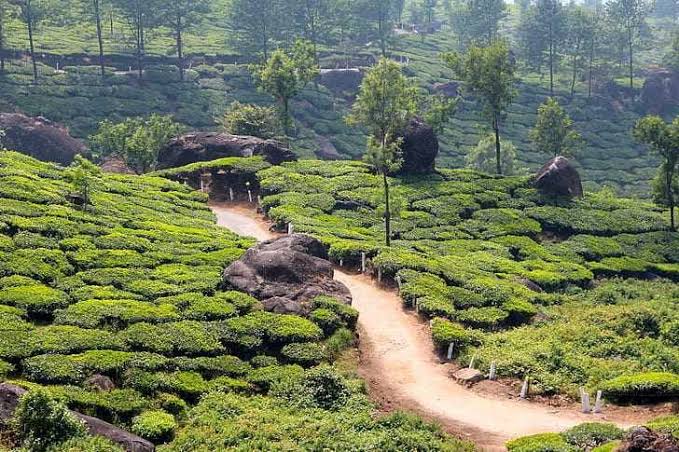
Known for its extensive tea gardens, historic landmarks, literary heritage and close connection with Majuli, Jorhat offers travellers a different side of Assam. You can explore centuries-old religious sites in the morning, walk through tea country in the afternoon and enjoy authentic Assamese food by evening.
The city is also an important gateway to Majuli and other attractions of Upper Assam, making it an excellent base for travellers who want to explore the region.
From Tocklai Tea Research Institute and Jorhat Gymkhana Club to Dhekiakhowa Bornamghar and Ahom-era monuments, Jorhat offers a rewarding combination of culture, nature, history and slow travel.
History of Jorhat
Jorhat has a particularly important place in Assam's history because it became the last capital of the Ahom Kingdom.
Origin of the Name
The name Jorhat, or "Jorehaut", is traditionally associated with two markets or hats that developed on opposite banks of the Bhogdoi River: Macharhat and Chowkihat.
The Ahom Capital
In 1794, Ahom King Gaurinath Singha shifted the capital from Rangpur, present-day Sivasagar, to Jorhat. This transformed Jorhat into an important political and commercial centre.
The city flourished, but its development was severely disrupted by the series of Burmese invasions between 1817 and 1824.
British Period
Jorhat began to recover after the arrival of British forces in 1824. British administration was formally established in the town, and the development of transport and tea cultivation gradually changed its economic importance.
The Jorhat Provincial Railway, a narrow-gauge railway, began operating in 1885. The railway played an important role in supporting the rapid growth of the tea industry.
Jorhat and the Freedom Movement
Jorhat also played a role in India's freedom movement. Revolutionary figures such as Gomdhar Konwar, Jeuram Medhi and Piyali Phukan emerged in the region.
During the Revolt of 1857, Maniram Dewan and Piyali Barua were publicly executed in Jorhat in 1858 for their involvement in the resistance against British rule.
Jorhat Today
Today, Jorhat is one of the important urban centres of Upper Assam. It combines its historical identity with modern educational institutions, businesses, research centres and tourism infrastructure.
The Government of Assam describes Jorhat as an important cultural and educational centre, with institutions such as Assam Agricultural University, Tocklai Tea Research Institute and Jorhat Engineering College. :contentReference[oaicite:2]{index=2}
Geography of Jorhat
Jorhat is located in Upper Assam, on the southern bank of the Brahmaputra Valley. Its geographical setting places the city close to some of Assam's most important natural and cultural attractions.
The current Jorhat district is bounded by Majuli district to the north, Nagaland to the south, Sivasagar to the east and Golaghat to the west. :contentReference[oaicite:3]{index=3}
Rivers
The Brahmaputra is the dominant river system of the region, while the Bhogdoi River has played an important role in the historical development of Jorhat.
Tea Landscapes
Tea gardens are one of the defining features of Jorhat's landscape. The district administration lists around 135 tea estates, highlighting the scale and importance of tea cultivation in the region. :contentReference[oaicite:4]{index=4}
Climate
Jorhat has a humid subtropical climate, with warm summers, a strong monsoon season and relatively pleasant winters.
The region receives considerable rainfall, which helps maintain the lush green landscapes and supports tea cultivation.
| Geographical Feature | Details |
|---|---|
| Region | Upper Assam |
| Area of Jorhat District | 1,758 sq. km |
| North | Majuli District |
| South | Nagaland |
| East | Sivasagar |
| West | Golaghat |
| Important River | Brahmaputra and Bhogdoi |
| Tea Estates | 135 |
Jorhat at a Glance
| Particular | Details |
|---|---|
| State | Assam |
| Region | Upper Assam |
| District Headquarters | Jorhat |
| Geographical Area | 1,758 sq. km |
| Population | 924,952 |
| Literacy Rate | 82.78% |
| Revenue Circles | 5 |
| Development Blocks | 6 |
| Revenue Villages | 600 |
| Gaon Panchayats | 90 |
| Tea Estates | 135 |
| Airport | Rowriah Airport |
Population and literacy figures are based on the official Jorhat district profile and census-era data published by the Government of Assam. :contentReference[oaicite:5]{index=5}
Culture and Traditions of Jorhat
Jorhat is widely associated with Assamese literature, education, music and cultural traditions. Its long historical association with the Ahom Kingdom has also given the city a strong connection with Assam's heritage.
Language
Assamese is the principal language of the region. English and Hindi are also commonly understood in urban and tourist-facing areas.
Traditional Lifestyle
Life in Jorhat combines modern urban living with strong connections to agriculture, tea cultivation, religious traditions and village communities.
Vaishnavite Culture
The wider Jorhat region has strong connections with Neo-Vaishnavism, a cultural and spiritual movement associated with Srimanta Sankardeva and Madhavdeva.
The Satras of Majuli, accessible from Jorhat, preserve traditional devotional music, dance, theatre, manuscripts and crafts.
Tea Culture
Tea is far more than an agricultural product in Jorhat. It is part of the region's identity. Tea estates, research institutions, plantation communities and tea-related tourism all contribute to the city's character.
Arts and Literature
Jorhat has produced writers, scholars, journalists, musicians and cultural figures. Its educational environment has played an important role in the development of Assamese intellectual and cultural life.
Architecture of Jorhat
Jorhat's architecture reflects two major periods of its history: the Ahom era and the British colonial period.
Ahom-Era Heritage
Historic tanks, maidams, temples and religious structures preserve memories of the Ahom period and the centuries of Assamese history associated with the region.
Colonial Architecture
British-era administrative buildings, bungalows and commercial structures form another important part of Jorhat's heritage landscape.
Jorhat Gymkhana Club
The Jorhat Gymkhana Club was established in 1876 and reflects the sporting and social culture of the colonial tea-planter era. Its historic golf course is widely recognised as one of Asia's oldest golf courses. :contentReference[oaicite:6]{index=6}
Thengal Bhawan
Thengal Bhawan is an important heritage building connected with Assam's history of journalism and publishing. The Jorhat tourism newsletter identifies it as the place from where one of Assam's earliest newspapers was published. :contentReference[oaicite:7]{index=7}
Famous Places to Visit in Jorhat
1. Tocklai Tea Research Institute
Tocklai Tea Research Institute is one of Jorhat's most significant tea-related institutions. Established in 1911, it has played an important role in tea research and innovation in Assam.
For anyone interested in understanding why Assam tea became globally famous, Tocklai is an especially relevant stop.
2. Jorhat Gymkhana Club
Founded in 1876, Jorhat Gymkhana Club is one of the city's most distinctive heritage landmarks. The club is associated with golf, horse racing, polo, tennis and other sports. :contentReference[oaicite:8]{index=8}
3. Dhekiakhowa Bornamghar
Dhekiakhowa Bornamghar is an important Vaishnavite religious site associated with saint-reformer Madhavdeva. According to the district administration, Madhavdeva is traditionally associated with lighting an earthen lamp at the site in 1528. :contentReference[oaicite:9]{index=9}
4. Lachit Borphukan Maidam
Lachit Borphukan Maidam commemorates Lachit Borphukan, one of Assam's most celebrated military commanders. It is a worthwhile stop for travellers interested in Ahom history.
5. Sukapha Samannay Kshetra
Swargadeo Chaolung Siu-Ka-Pha Samannay Kshetra honours Sukapha, the founder of the Ahom Kingdom. It provides visitors with an opportunity to understand the origins of Ahom rule in Assam. :contentReference[oaicite:10]{index=10}
6. Thengal Bhawan
This heritage structure is associated with Assam's publishing and journalism history and is one of the buildings that adds character to Jorhat's heritage trail.
7. Bongalpukhuri
Bongalpukhuri is an historic tank located near Jorhat town. Such tanks were an important feature of Ahom-era planning and continue to reflect the region's historic landscape.
8. Gibbon Wildlife Sanctuary
Located near Mariani, Gibbon Wildlife Sanctuary is known for its rich biodiversity and is especially famous for hoolock gibbons. It is an excellent option for wildlife and nature lovers.
9. Majuli
Majuli, the famous river island in the Brahmaputra, is one of the biggest reasons travellers choose Jorhat as their base. The island is known for Satras, traditional culture, mask-making, music and rural landscapes.
Famous Dishes to Try in Jorhat
Jorhat's cuisine reflects the broader flavours of Assam: fresh ingredients, rice-based meals, fish, vegetables, herbs and relatively light seasoning.
Masor Tenga
Masor Tenga is a light, tangy Assamese fish curry. Its refreshing sour flavour makes it one of the most popular dishes to try in Assam.
Khar
Khar is a traditional Assamese preparation made using an alkaline ingredient and commonly combined with vegetables or other local ingredients.
Aloo Pitika
Aloo Pitika is a simple preparation of mashed potatoes mixed with ingredients such as onion, chilli, mustard oil and herbs. Its simplicity is exactly what makes it popular.
Duck Curry
Duck curry is a popular Assamese non-vegetarian dish and is often prepared with locally available vegetables and traditional spices.
Assamese Thali
An Assamese thali is an excellent way to experience several local flavours in one meal, often combining rice, dal, vegetables, fish or meat and traditional side dishes.
Pitha
Pitha is a traditional rice-based Assamese delicacy. Different varieties are prepared during festivals and special occasions.
Assam Tea
No food journey through Jorhat is complete without a cup of Assam tea. The city's connection with tea makes it one of the best places to appreciate the drink at its source.
Famous Personalities Connected with Jorhat
Krishna Kanta Handique
Krishna Kanta Handique was one of Assam's most respected scholars and educationists. Born in Jorhat in 1898, he became internationally respected for his work in Sanskrit and Indology. :contentReference[oaicite:11]{index=11}
Jagannath Barooah
Raibahadur Jagannath Barooah was born in Jorhat in 1851 and became the first graduate from Upper Assam. He later became associated with tea cultivation, public life and education. Jorhat's Jagannath Barooah College carries his name. :contentReference[oaicite:12]{index=12}
Maniram Dewan
Maniram Dewan was an important figure in Assam's resistance to British rule. He was executed in Jorhat in 1858 after his involvement in the Revolt of 1857.
Piyali Barua
Piyali Barua was another freedom movement figure associated with Jorhat who was executed alongside Maniram Dewan in 1858.
Lachit Borphukan
Lachit Borphukan was one of the most celebrated commanders of the Ahom Kingdom. His legacy is strongly preserved in Jorhat and the wider region through memorials and historical sites.
Festivals Celebrated in Jorhat
Bohag Bihu
Bohag Bihu, celebrated in April, marks the Assamese New Year and the beginning of the agricultural season. Traditional music, dance, food and community celebrations make it one of the liveliest times to experience Assamese culture.
Magh Bihu
Magh Bihu is associated with harvest celebrations. Traditional foods, community feasts and bonfires are important parts of the festival.
Kati Bihu
Kati Bihu is a quieter agricultural festival associated with prayers for a good harvest and protection of crops.
Tea Festival
The Jorhat Tea Festival celebrates the city's deep connection with tea. Activities can include tea-garden visits, cultural programmes, food, music and other experiences linked with the region's tea heritage. :contentReference[oaicite:13]{index=13}
Durga Puja
Durga Puja is celebrated with colourful decorations, cultural programmes, community gatherings and traditional worship.
Raas Mahotsav
The wider Jorhat–Majuli region is closely connected with Raas celebrations, which combine devotional performances, music, dance and traditional theatre rooted in Vaishnavite culture.
Things to Do in Jorhat
- Explore Jorhat's Ahom heritage through historic sites and monuments.
- Visit Tocklai Tea Research Institute to understand Assam's tea legacy.
- Explore a tea garden and enjoy the landscapes of Upper Assam.
- Visit Dhekiakhowa Bornamghar for a cultural and spiritual experience.
- Visit Jorhat Gymkhana Club and see its historic sporting heritage.
- Take a day trip to Majuli from the Jorhat area.
- Explore Satras and learn about Assamese Vaishnavite traditions.
- Try authentic Assamese food at local restaurants.
- Shop for Assamese handloom products and traditional textiles.
- Visit Gibbon Wildlife Sanctuary for a nature and wildlife experience.
- Explore local markets and experience everyday life in Upper Assam.
- Enjoy a heritage walk through some of Jorhat's older buildings and historic areas.
Where to Eat, Shop, and Stay in Jorhat
Where to Eat
Jorhat has a good mix of traditional Assamese restaurants, casual eateries, cafés and multi-cuisine restaurants.
For a local food experience, look for:
- Assamese thali
- Masor Tenga
- Khar
- Aloo Pitika
- Duck curry
- Pitha
- Fresh Assam tea
Where to Shop
Jorhat is a good place to shop for traditional Assamese products and everyday local goods.
- Mekhela Chador
- Assamese handloom textiles
- Gamosa
- Traditional bamboo products
- Cane handicrafts
- Assam tea
Where to Stay
Jorhat offers accommodation for different budgets, making it convenient for both short city breaks and longer Upper Assam trips.
| Accommodation Type | Best For |
|---|---|
| Budget Hotels | Backpackers and short stays |
| Mid-range Hotels | Families and couples |
| Business Hotels | Business and work travellers |
| Premium Hotels | Comfort-focused travellers |
What is Jorhat Famous For?
Jorhat is famous for its tea gardens, Ahom heritage, Assamese culture, educational institutions and its role as a gateway to Majuli.
- Tea Gardens
- Tocklai Tea Research Institute
- Ahom Kingdom Heritage
- Majuli
- Dhekiakhowa Bornamghar
- Jorhat Gymkhana Club
- Assamese Literature and Culture
- Traditional Assamese Food
- Tea Festival
- Educational Institutions
Its unique character comes from the combination of history, tea, education and Assamese cultural identity.
Best Time to Visit Jorhat
The best time to visit Jorhat is generally from October to April, when the weather is more suitable for sightseeing and exploring nearby destinations.
| Season | Months | What to Expect |
|---|---|---|
| Winter | November–February | Cool and comfortable for sightseeing |
| Spring | March–April | Pleasant weather and cultural celebrations |
| Summer | May–June | Warm and increasingly humid |
| Monsoon | June–September | Heavy rainfall and lush greenery |
| Post-Monsoon | October | Greener landscapes and improving weather |
Best overall period: October to April.
Best for comfortable sightseeing: November to February.
Best for festivals: April during Bohag Bihu and festival periods announced locally.
Best for lush greenery: The post-monsoon months offer vibrant landscapes, although rainfall conditions should be considered.
How to Reach Jorhat
By Air
Jorhat Airport, also known as Rowriah Airport, is located within the city and provides air connectivity. The current district administration describes Jorhat as well connected by air, rail and road. :contentReference[oaicite:14]{index=14}
By Train
Jorhat Railway Station provides rail connectivity with major destinations in Assam and the wider region. The Mariani railway connection is also important for reaching Jorhat and nearby areas.
By Road
Jorhat is connected by road with Guwahati and other major towns of Assam. The district administration places Jorhat at approximately 308 km from Guwahati, with regular bus services available. :contentReference[oaicite:15]{index=15}
| Mode | Option |
|---|---|
| Air | Rowriah Airport / Jorhat Airport |
| Train | Jorhat Railway Station / Mariani connection |
| Road | Bus, taxi and private vehicle |
Nearby Places to Visit from Jorhat
Majuli
Majuli is the most famous nearby destination associated with Jorhat. The river island is renowned for its Satras, Vaishnavite culture, mask-making, traditional performances and rural landscapes.
Kaziranga National Park
Kaziranga National Park is one of India's most famous wildlife destinations and is known especially for the one-horned rhinoceros. Jorhat can serve as a useful base or transit point for travellers exploring Upper Assam.
Sivasagar
Sivasagar is an important destination for Ahom history. Its temples, tanks and royal-era monuments make it an excellent addition to a heritage itinerary from Jorhat.
Gibbon Wildlife Sanctuary
Located near Mariani, Gibbon Wildlife Sanctuary is a good option for wildlife lovers and nature photographers.
Golaghat
Golaghat lies west of Jorhat and provides access to tea landscapes and other Upper Assam attractions.
Nagaland
Jorhat's location near the Nagaland border makes it a practical stop for travellers planning a wider Northeast India road trip.
Best Duration for a Jorhat Trip
1 day can cover the major attractions within Jorhat city.
2 days is recommended for a more relaxed experience including heritage sites, tea-related attractions and local food.
3 days works well if you want to include a trip to Majuli.
4–5 days is ideal for combining Jorhat with Majuli, Sivasagar, Gibbon Wildlife Sanctuary or nearby Upper Assam destinations.
| Duration | Suggested Experience |
|---|---|
| 1 Day | Jorhat city + heritage attractions |
| 2 Days | City + tea + cultural attractions |
| 3 Days | Jorhat + Majuli |
| 4–5 Days | Jorhat + Majuli + Upper Assam circuit |
Travel Tips for Jorhat
- Plan outdoor sightseeing between October and April for more comfortable conditions.
- Carry rain protection if travelling during the monsoon.
- Keep comfortable footwear for temples, heritage sites and nature areas.
- Dress respectfully when visiting religious sites and Satras.
- Try local Assamese cuisine instead of limiting your food experience to familiar dishes.
- Book accommodation early during major festivals and busy travel periods.
- Keep some cash when travelling outside the city and visiting rural areas.
- Start early for Majuli if you are planning a day trip.
- Check ferry conditions before travelling to river-island destinations.
- Do not enter tea estates without permission or disturb plantation operations.
- Respect local customs while visiting Satras and religious institutions.
- Carry mosquito protection when visiting green areas and wildlife destinations.
- Use licensed guides where appropriate for wildlife and specialised heritage experiences.
- Keep the environment clean, particularly around rivers, tea gardens and natural attractions.
Why Visit Jorhat?
Jorhat is one of the best places in Assam for travellers who want to combine history, tea, culture and nature in one trip.
- For History: Discover the legacy of the Ahom Kingdom.
- For Tea: Explore one of Assam's major tea-growing regions.
- For Culture: Experience Assamese traditions and Vaishnavite heritage.
- For Nature: Explore tea landscapes and nearby wildlife destinations.
- For Majuli: Use Jorhat as a gateway to the famous river island.
- For Food: Taste authentic Assamese dishes and locally produced tea.
- For Heritage: Explore historic buildings, maidams, temples and tanks.
- For Slow Travel: Enjoy a less hurried experience of Upper Assam.
Jorhat stands out because it is not simply a sightseeing destination. It is a place where the history of Assam, its tea industry, educational traditions and living culture can all be experienced within the same journey.
Conclusion
Jorhat, Assam, is a city where the past continues to shape the present. Once the last capital of the Ahom Kingdom, the city has evolved into a major cultural, educational and tea centre of Upper Assam.
From the historic atmosphere of Dhekiakhowa Bornamghar and the legacy of the Ahom rulers to the tea heritage of Tocklai and the historic Jorhat Gymkhana Club, the city offers plenty to discover.
Its biggest advantage is its location. Jorhat makes it easy to explore Majuli, Sivasagar, Gibbon Wildlife Sanctuary and other destinations across Upper Assam.
If you want to experience Assam through its tea gardens, history, food, spirituality and everyday culture, Jorhat is a destination worth adding to your Northeast India itinerary.
Come for the tea, stay for the history, and leave with a deeper connection to Assam.
"Travel is the only thing you buy that makes you richer."