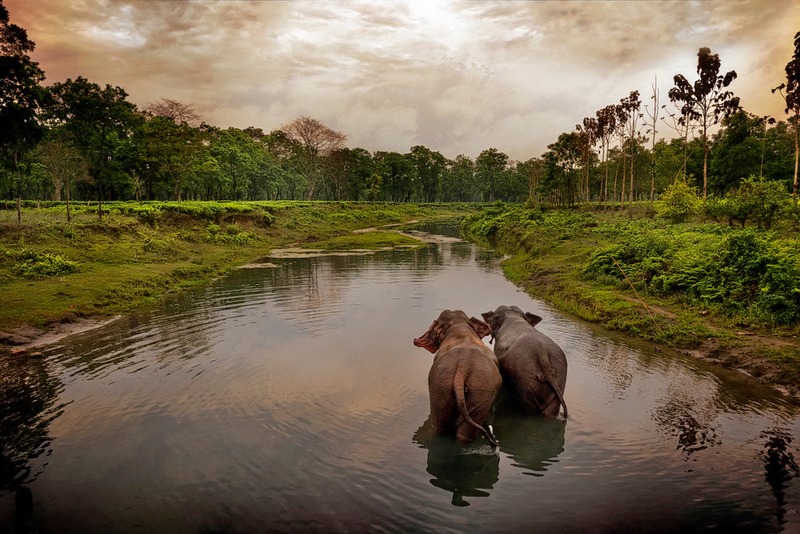
Barpeta, Assam: The Land of Satras, Culture and Timeless Traditions
Barpeta, Assam, is a culturally rich destination in Lower Assam, best known for its historic satras, Vaishnavite traditions, vibrant festivals and traditional crafts. Often associated with the title "Land of the Satras," Barpeta offers travellers a chance to experience a deeply rooted side of Assamese history and culture.
The city's biggest cultural landmark is Barpeta Satra, founded by Madhavdeva in 1583. The region is also closely connected with Mahapurush Srimanta Sankardeva and the development of Assamese Vaishnavite culture, music, dance, drama and literature.
Beyond its spiritual heritage, Barpeta is known for traditional handicrafts, handloom, brass and bell-metal work, local festivals and its proximity to attractions such as Manas National Park. For travellers looking for history, culture and an authentic Assam experience, Barpeta is a destination worth exploring.
History of Barpeta
Barpeta has a long and fascinating history shaped by several ruling dynasties and cultural movements. The region witnessed the influence of the Varman, Salasthamba, Pala, Kamata and Koch kingdoms before becoming part of the Ahom and later British administrative systems.
The history of modern Barpeta is strongly connected with the rise of Neo-Vaishnavism in Assam. Srimanta Sankardeva and his principal disciple Madhavdeva spent important years in this region, establishing satras and spreading their religious and cultural ideas.
During the Koch period, King Naranarayan established Barnagar as a temporary capital. The region later came under Mughal and Ahom influence before British administration expanded into the area.
Barpeta became a Civil Sub-Division in 1841 under British administration. The region also witnessed peasant unrest during the colonial period and active participation in India's freedom movement.
Mahatma Gandhi visited Barpeta in 1934, while Jawaharlal Nehru visited the region in 1937, adding another chapter to its modern political history.
Geography of Barpeta
Barpeta is located in Lower Assam, around 126 kilometres from Guwahati by road. The district is bordered by Baksa to the north, Bajali to the east, Kamrup and Goalpara to the south, and Bongaigaon and Chirang to the west.
The landscape ranges from low-lying plains to higher areas and small hillocks. The mighty Brahmaputra River flows through the southern part of the district, while rivers such as the Beki, Manah, Pohumara, Kaldia, Palla and Nakhanda contribute to the region's natural character.
Barpeta experiences a tropical monsoon climate with warm summers, a rainy monsoon season and cooler winters. The surrounding rivers, greenery and rural landscapes make the region particularly attractive for travellers interested in nature and photography.
Culture and Traditions of Barpeta
Culture is the heart of Barpeta. The region's identity has been deeply influenced by Srimanta Sankardeva, Madhavdeva and the Neo-Vaishnavite movement. Satras developed not only as religious institutions but also as important centres of music, dance, drama, literature, education and traditional arts.
Sattriya Culture
Sattriya dance, devotional music and traditional performances form an important part of Barpeta's cultural heritage. The region is also known for Borgeet, Ankiya Geet, Holi Geet, Bhaona and other traditional art forms.
Bhaona and Traditional Theatre
Bhaona is a traditional form of Assamese theatrical performance associated with Srimanta Sankardeva. Performances combine storytelling, music, dance, costumes and traditional masks to present religious and mythological themes.
The 22 Hattis of Barpeta
One of Barpeta's unique cultural features is the traditional division of the town into 22 Hattis. These neighbourhoods developed around the Barpeta Satra and its followers, creating a distinctive social and cultural landscape.
Architecture of Barpeta
Barpeta's architecture is closely connected with its satras and traditional Assamese design. The Barpeta Satra complex includes the Kirtan Ghar, Manikut or Bhajghar, Doul Griha, Jagmohan Griha, Rangmancha and other structures.
The Kirtan Ghar is the architectural and spiritual centre of Barpeta Satra. Its large prayer hall, traditional layout and surrounding structures reflect the evolution of the satra institution over centuries.
Traditional craftsmanship can also be seen in woodwork, masks, paintings and other decorative objects associated with the region's cultural institutions.
Famous Places to Visit in Barpeta
Barpeta Satra
Barpeta Satra is the most important attraction in the city and one of Assam's major centres of Vaishnavite culture. Founded by Madhavdeva in 1583, the satra became an important centre for religious practice, music, literature, art and community life.
The complex includes the famous Kirtan Ghar, Doul Griha, Bhajghar, Jagmohan Griha and other historic structures. The satra becomes especially vibrant during Doul Utsav.
Patbaushi Satra
Patbaushi Satra is located about 2 kilometres north of Barpeta town. Srimanta Sankardeva spent around 18 years here, and the site is associated with important contributions to Assamese literature, devotional music and Vaishnavite culture.
Ganakkuchi Satra
Ganakkuchi Satra is located within the Barpeta town area and was founded by Madhavdeva. Several historical objects and manuscripts associated with the gurus have been preserved here.
Sundaridiya Satra
Sundaridiya Satra was established by Madhavdeva after he left Ganakkuchi. It is associated with the development of devotional forms such as Paal Naam and Beer Naam.
Baradi Satra
Baradi Satra was also established by Madhavdeva and became an important centre for the spread of Sankarite culture. It is located around 2 kilometres east of Barpeta town.
Gorokhia Gosair Than
Gorokhia Gosair Than is a religious and cultural site associated with Narayan Das Thakur Ata, a disciple of Srimanta Sankardeva. Its architectural form resembles the Kirtan Ghar of Barpeta Satra, and Doul is celebrated here annually.
Hadira Chaki
Hadira Chaki is another heritage attraction listed among Barpeta's places of interest. It can be included in a wider itinerary focused on the district's cultural and historical sites.
Manas National Park
Manas National Park is one of the most important wildlife destinations associated with the wider Barpeta region. Located in the Himalayan foothills, the park is known for its forests, grasslands, rivers and exceptional biodiversity.
Famous Dishes to Try in Barpeta
Food in Barpeta reflects the wider culinary traditions of Assam. Rice, fish, vegetables, local herbs and traditional preparations form an important part of Assamese meals.
Maasor Tenga
Maasor Tenga is a light and tangy Assamese fish curry traditionally prepared with souring ingredients. It is commonly enjoyed with steamed rice.
Khar
Khar is a distinctive Assamese preparation made using an alkaline ingredient. It is traditionally served with rice and is an important part of Assamese cuisine.
Pitika
Pitika refers to simple mashed preparations made with ingredients such as potato, vegetables or fish. It is known for its homestyle character and is commonly paired with rice.
Pitha
Pitha is a traditional rice-based Assamese delicacy associated with festivals and special occasions. Different varieties are prepared using rice flour and regional ingredients.
Payokh
Payokh is a traditional Assamese rice pudding prepared with milk and rice. It is often served during celebrations and special meals.
Famous Personalities Connected with Barpeta
Srimanta Sankardeva
Srimanta Sankardeva was a major Assamese saint, social reformer, scholar, poet and cultural figure. His work in Barpeta played an important role in shaping Assamese Vaishnavite culture, literature, music, dance and theatre.
Madhavdeva
Madhavdeva, the principal disciple of Srimanta Sankardeva, spent important years in Barpeta and founded the Barpeta Satra in 1583. His contributions to devotional literature and music remain central to Assamese cultural heritage.
Mahendra Mohan Choudhury
Mahendra Mohan Choudhury was an important political figure from Assam and is among the notable personalities associated with the region's public life.
Chandraprabha Saikiani
Chandraprabha Saikiani was an influential Assamese social reformer and freedom movement figure. She was among the prominent leaders associated with Assam's social and political awakening.
Festivals Celebrated in Barpeta
Doul Utsav
Doul Utsav, the Barpeta celebration of Holi, is the city's most famous festival. The celebration traditionally continues for three days and combines colours with devotional music, dance, theatrical performances and community gatherings.
Holi songs accompanied by instruments such as the khol and cymbals are a distinctive part of the celebration. Thousands of visitors come to Barpeta during the festival.
Bihu
Bihu is celebrated across Assam and is an important part of Barpeta's cultural calendar. Traditional music, dance, food and community celebrations bring the city and surrounding areas to life.
Raas Festival
Raas is another important Vaishnavite cultural tradition in Assam. Religious performances, devotional music and traditional storytelling form an important part of the celebrations at different satras.
Things to Do in Barpeta
- Visit Barpeta Satra and explore its historic Kirtan Ghar.
- Explore Patbaushi Satra and learn about Srimanta Sankardeva's legacy.
- Visit Ganakkuchi and Sundaridiya Satra for a deeper cultural experience.
- Experience Doul Utsav if visiting during the festival season.
- Explore traditional Assamese culture through music, dance and theatre.
- Shop for traditional handicrafts and handloom products.
- Visit Sarthebari to discover its famous bell and brass-metal craft.
- Try traditional Assamese food at local eateries.
- Explore nearby heritage sites such as Gorokhia Gosair Than.
- Plan a wildlife trip to Manas National Park as part of a wider Barpeta itinerary.
Where to Eat, Shop and Stay in Barpeta
Where to Eat
Local eateries around Barpeta town are a good choice for trying everyday Assamese food. Travellers can look for traditional rice-based meals, fish preparations, vegetables and local snacks.
Where to Shop
Barpeta is a good destination for travellers interested in traditional Assamese handicrafts and handloom products. Cane and bamboo products, pottery, wooden craft, traditional ornaments and textiles are among the region's traditional crafts.
Sarthebari Brass and Bell-Metal Craft
Sarthebari is particularly famous for its bell and brass-metal industry. Traditional items such as xorai and bota are among the notable products made by local artisans.
Where to Stay
Barpeta town offers practical accommodation for travellers exploring the city's satras and cultural attractions. Visitors planning a Manas National Park trip can also choose accommodation around the Barpeta Road and Manas tourism areas.
| Stay Type | Best For |
|---|---|
| Budget Hotel | Short city visits |
| Guesthouse | Budget-conscious travellers |
| Resort / Eco Stay | Nature and Manas trips |
What is Barpeta Famous For?
Barpeta is famous for its satras, Vaishnavite culture, Doul festival, traditional arts and handicrafts.
- Barpeta Satra and Kirtan Ghar
- Srimanta Sankardeva and Madhavdeva's legacy
- Vaishnavite and Sattriya culture
- Doul Utsav / Holi celebrations
- Traditional Assamese music and theatre
- Sarthebari bell and brass-metal craft
- Handloom, cane and bamboo crafts
- Proximity to Manas National Park
Best Time to Visit Barpeta
The best time to visit Barpeta is from November to February, when the weather is generally cooler and more comfortable for sightseeing and exploring the city's cultural attractions.
March and April can also be a good time to visit, especially for travellers interested in experiencing the festive atmosphere around Doul Utsav and spring celebrations.
| Season | Months | Travel Experience |
|---|---|---|
| Winter | November–February | Cool and comfortable for sightseeing |
| Spring | March–April | Good for cultural and festival experiences |
| Monsoon | June–September | Heavy rainfall; outdoor plans may need flexibility |
Best overall choice: Visit between November and February for comfortable sightseeing, or plan around Doul Utsav if experiencing Barpeta's famous festival is your priority.
How to Reach Barpeta
By Air
The nearest major airport is Lokpriya Gopinath Bordoloi International Airport in Guwahati. From Guwahati, travellers can continue to Barpeta by road.
By Train
Barpeta Road Railway Station is the major railway access point for the wider Barpeta region and is well connected with other parts of Assam and India. From Barpeta Road, travellers can continue by road to Barpeta town.
By Road
Barpeta is well connected by road with Guwahati, Nalbari, Dhubri and Bongaigaon. Regular buses and taxis are available from major nearby destinations.
Barpeta is approximately 126 km from Guwahati by the Barpeta-Nalbari and NH-31 route, making it suitable for a road trip from the state capital.
Nearby Places to Visit from Barpeta
Manas National Park
Manas National Park is one of the best additions to a Barpeta itinerary for wildlife and nature lovers. Its forests, grasslands, rivers and Himalayan foothill scenery make it one of Assam's major natural attractions.
Sarthebari
Sarthebari is known for its traditional bell and brass-metal industry. Visitors interested in Assamese craftsmanship can explore the town and its artisan traditions.
Bhella
Bhella is home to the Dargah of Syed Shahnur Dewan, an important religious and cultural site located around 8 kilometres from Barpeta.
Patbaushi
Patbaushi is closely associated with Srimanta Sankardeva and is home to Patbaushi Satra. It is an important stop for travellers interested in Assamese Vaishnavite history.
Ganak-Kuchi and Sundaridiya
The Ganak-Kuchi and Sundaridiya Satras can be explored as part of a cultural circuit around Barpeta. Together, these sites provide a deeper understanding of Madhavdeva's contribution to the region.
Best Duration for a Trip to Barpeta
2 days are enough to explore Barpeta's main cultural attractions comfortably. Travellers interested in Manas National Park or a slower exploration of nearby destinations should consider extending the trip to 3 days.
| Duration | Suggested Experience |
|---|---|
| 1 Day | Barpeta Satra + nearby satras + local food |
| 2 Days | Barpeta heritage circuit + Sarthebari / nearby attractions |
| 3 Days | Barpeta + cultural sites + Manas National Park |
Travel Tips for Barpeta
- Dress respectfully: Many of Barpeta's major attractions are religious and cultural institutions.
- Remove footwear where required: Follow the rules of individual satras and religious sites.
- Check festival dates: Doul Utsav can be extremely busy, so plan accommodation and transport early.
- Carry some cash: Cash can still be useful at smaller shops and local markets.
- Try local food: Explore Assamese cuisine rather than limiting your meals to familiar options.
- Respect photography rules: Ask before photographing people or restricted areas inside religious institutions.
- Carry rain protection: Assam's monsoon can bring heavy rainfall.
- Wear comfortable footwear: A cultural tour of several satras can involve considerable walking.
- Plan Manas separately: If wildlife is part of your itinerary, check current entry, safari and accommodation arrangements in advance.
- Shop locally: Consider traditional handloom and handicraft products as meaningful souvenirs.
Why Visit Barpeta?
Barpeta is worth visiting because it offers something different from Assam's conventional tourist destinations. The city is not simply a place to see monuments; it is a living centre of Assamese religious and cultural traditions.
The historic Barpeta Satra, the legacy of Srimanta Sankardeva and Madhavdeva, traditional music and theatre, vibrant Doul celebrations and local craftsmanship give the city a distinctive identity.
For travellers who enjoy heritage, spirituality, culture, traditional arts and slow travel, Barpeta offers an authentic experience of Lower Assam. Its connection with Manas National Park also makes it easy to combine cultural exploration with a wildlife-focused journey.
If you want to understand Assam beyond its landscapes, Barpeta is a place where the state's history and living culture can be experienced together.
Conclusion
Barpeta, Assam, is a destination where spirituality, history, art and everyday Assamese culture come together. From the centuries-old Barpeta Satra and surrounding Vaishnavite institutions to traditional crafts, festivals and local food, the city offers plenty for travellers interested in authentic cultural experiences.
With 2 days, you can explore the major attractions at a comfortable pace, while an additional day allows you to include nearby destinations or plan a trip towards Manas National Park.
For anyone looking to discover the cultural heart of Lower Assam, Barpeta is a destination that deserves a place on the itinerary.
"Travel is the only thing you buy that makes you richer."