Nalbari, Assam: Where Krishna's Raas, Ancient Temples and the Green Plains of Assam Come Alive
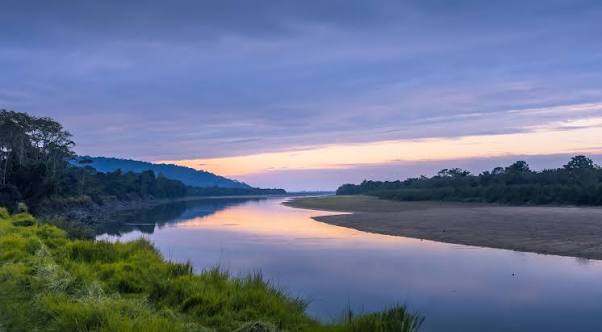
Nalbari, located in the plains of the Brahmaputra Valley, is a culturally rich destination in Lower Assam known for its temples, Vaishnavite traditions, agricultural landscapes and vibrant festivals. The town's identity is strongly connected with Hari Mandir, whose annual Raas festival has become one of Nalbari's most recognizable cultural celebrations.
Beyond the famous Raas festival, Nalbari offers travelers ancient religious sites such as Billeswar Temple, scenic village landscapes, wetlands, traditional Assamese culture and a glimpse into the Sanskrit-learning heritage for which the district has historically been known. It is a destination suited to travelers who enjoy culture, temples, festivals, photography and slow rural exploration.
Nalbari at a Glance
| Travel Detail | Information |
|---|---|
| State | Assam |
| Region | Lower/Central Assam |
| District Headquarters | Nalbari |
| Geographical Area | 1,052 sq. km |
| Population | 771,639 (2011 Census) |
| Literacy Rate | 78.63% |
| Sub-Divisions | 4 |
| Revenue Circles | 7 |
| Development Blocks | 7 |
| Revenue Villages | 456 |
| Gram Panchayats | 65 |
| Major Rivers | Brahmaputra, Pagladia, Nona, Buradia, Borolia and Tihu |
| Famous For | Hari Mandir, Raas Festival, Billeswar Temple, Bhatheli Utsav and Assamese cultural heritage |
| Best For | Temples, festivals, culture, photography and rural travel |
Source note: The district administration currently lists 1,052 sq. km, 771,639 population, 78.63% literacy, 4 subdivisions, 7 revenue circles, 7 development blocks, 456 revenue villages and 65 panchayats. These figures are based on the district's published profile and Census-era data.
History of Nalbari
The history of Nalbari reaches deep into the cultural and political history of Assam. The district administration connects the region with several ancient historical periods, including Kamarupa, Pala, Bhuyan, Koch, Ahom and Mughal influences.
The region was historically known by names associated with old settlements such as Satra, Govindapur and Khata. The name “Nalbari” is traditionally explained as meaning a place of reeds, and the district administration notes that the name came into use around the period of British railway development in the late 19th century.
Ahom and Bhuyan Heritage
Nalbari was part of a wider political landscape influenced by the Bhuyans and Tai-Ahoms. The region is also associated with the activities of local revolutionary figures such as Haradatta and Biradatta during the later Ahom period.
British-Era Development
The development of railway communication in the late 19th century contributed to the growth of Nalbari as a settlement and commercial centre. The town gradually developed into an important administrative and educational centre of Lower Assam.
Nalbari's Sanskrit Heritage
Nalbari has historically been associated with Sanskrit education and traditional learning. The district has been described as a centre of Sanskrit tols, contributing to its reputation as a place of learning and religious scholarship.
Geography of Nalbari
Nalbari lies entirely within the plains of the Brahmaputra Valley. It is bordered by Baksa to the north, Barpeta to the west, and Kamrup to the south and east.
The district has mostly flat terrain with a gentle slope towards the Brahmaputra. Its landscape is shaped by several rivers and tributaries originating from the Himalayan foothills.
| Geographical Feature | Importance |
|---|---|
| Brahmaputra | Forms the southern boundary of the district |
| Pagladia River | Important river supporting the agricultural landscape |
| Nona River | One of the district's important tributaries |
| Buradia River | Part of the local river network |
| Borolia River | Supports the plains and agricultural areas |
| Tihu River | Important river associated with the Tihu region |
| Wetlands | Support agriculture, fisheries and migratory birds |
Nalbari has a sub-tropical climate, with hot summers and cooler winters. The district receives significant monsoon rainfall, and flooding can occur during periods of heavy rain. The district administration records an average annual rainfall of approximately 1,500 mm.
Culture and Traditions of Nalbari
Nalbari's culture reflects the traditions of Assamese Hindu communities, Vaishnavite practices, Sanskrit learning, agriculture and village-based social life. Different religious and ethnic communities live across the district and contribute to its cultural diversity.
Vaishnavite Traditions
Vaishnavite culture has a strong presence in Nalbari, especially through Hari Mandir and the annual Raas celebrations. Traditional devotional music, naam-prasanga and Krishna-related performances form an important part of the local cultural calendar.
Assamese Village Culture
Much of Nalbari's landscape remains rural and agricultural. Traditional Assamese houses, ponds, paddy fields, community Namghars and seasonal festivals continue to shape everyday life outside the main town.
Sanskrit Learning
Nalbari's historic reputation as a centre of Sanskrit education has given the district a distinctive scholarly and religious character. Traditional learning centres and Sanskrit tols have long contributed to its cultural identity.
Folk Culture
Traditional Assamese music, Bihu dance, devotional songs, mobile theatre and community festivals are important parts of cultural life. During major festivals, town and village spaces become centres for music, food and social gatherings.
Architecture of Nalbari
Nalbari's architecture is largely represented by temples, Namghars, traditional Assamese religious structures and old village settlements. Many important sites are closely connected with local legends and religious traditions.
Hari Mandir
Hari Mandir is the most recognizable religious landmark in Nalbari town. Its development took place in several stages beginning in the 20th century, and the temple became particularly famous for its annual Raas festival.
Billeswar Temple
Billeswar Temple at Belsor is believed to be around 500 years old and is dedicated to Lord Shiva. The temple has received royal patronage over the centuries, including reconstruction under Ahom King Lakshmi Singha after damage from a natural calamity.
Traditional Namghar Architecture
Namghars throughout Nalbari represent Assam's distinctive community-based religious architecture. These spaces serve not only as places of prayer but also as centres for social and cultural activities.
Famous Places to Visit in Nalbari
Hari Mandir
Hari Mandir, situated in the heart of Nalbari town, is dedicated to Lord Krishna and is the centre of the district's famous annual Raas celebration. The temple was built beginning in 1965 on land donated by Rambahadur Pratap Narayan Choudhury, with later additions and development continuing over subsequent decades.
Raas Festival Ground and Hari Mandir Complex
During the annual Raas festival in November, the Hari Mandir complex and surrounding areas become a major cultural gathering place. The celebration includes a large fair and mobile theatre performances, attracting visitors from different parts of Assam.
Billeswar Temple, Belsor
Billeswar Temple is one of Nalbari's most important historic Shiva temples. Located about 10 km southwest of Nalbari town, the temple is associated with a local legend involving a cow, a patch of grass and the discovery of a Shiva Linga.
Balilecha Sri Sri Kali Devalaya
Balilecha Sri Sri Kali Devalaya is an important local religious shrine. It offers travelers an opportunity to experience the quieter temple traditions of Nalbari away from the main town.
Gangadhar Pond
Gangadhar Pond is a local wetland attraction associated with migratory birds. It is particularly interesting for travelers who enjoy nature photography and birdwatching.
Jaypal Temple
Jaypal Temple is among the religious sites connected with Nalbari's older cultural landscape. Its inclusion in the district's historical accounts reflects the area's long association with traditional shrines.
Bhatheli Utsav Areas
The Bhatheli Utsav is associated with Lower Assam and is celebrated in places including Nalbari. The festival is connected with agricultural traditions, prayers and community activities.
Tihu
Tihu is an important town and cultural area within Nalbari district. Its surrounding rural landscape provides a glimpse into everyday Assamese life, agriculture and traditional community festivals.
Barbhag
Barbhag is another culturally significant part of the district, surrounded by villages, agricultural land and traditional religious institutions.
Famous Dishes to Try in Nalbari
Masor Tenga
Masor Tenga is a light and tangy Assamese fish curry. The sour flavour and simple preparation make it a classic dish to try during a trip through Assam.
Khar
Khar is a traditional Assamese preparation made using alkaline ingredients. It is an important part of a traditional Assamese meal and has a distinctive flavour.
Aloo Pitika
Aloo Pitika is a simple mashed-potato preparation mixed with mustard oil, onion and green chilli. It is a familiar comfort food across Assam.
Duck Curry
Duck curry is a popular traditional Assamese non-vegetarian dish. It is commonly prepared with locally used spices and seasonal vegetables.
Fish Pitika
Fish Pitika is made by combining cooked fish with onion, chilli and mustard oil. Its rustic preparation pairs naturally with steamed rice.
Pitha
Pitha refers to a variety of traditional rice-based Assamese preparations. Different varieties are especially popular during Bihu and other festive occasions.
Assamese Rice Meals
A traditional Assamese meal usually centres around rice, dal, vegetables, fish and simple side dishes. Trying a local thali is one of the easiest ways to experience Nalbari's everyday food culture.
Famous Personalities Associated with Nalbari
Haradatta
Haradatta is remembered in Nalbari's historical traditions as a revolutionary figure associated with the later period of the Tai-Ahom kingdom. His story remains part of the district's historical folklore.
Biradatta
Biradatta, associated with Haradatta in local historical accounts, is another figure remembered in the district's stories of resistance during the later Ahom period.
Pratap Narayan Choudhury
Rambahadur Pratap Narayan Choudhury is associated with the history of Hari Mandir because he donated the land on which the present temple was developed in 1965.
Festivals of Nalbari
Raas Mahotsav
Raas Mahotsav is Nalbari's most famous festival. Held in November at Hari Mandir, it celebrates the Raas Leela of Lord Krishna and combines devotional performances with a large fair and mobile theatre. Assam Tourism identifies Nalbari as one of the prominent places for Raas celebrations in Assam.
Bohag Bihu
Bohag Bihu, or Rongali Bihu, marks the Assamese New Year and the arrival of spring. Traditional Bihu songs, dance, food and community celebrations make it an excellent time to experience Assamese culture.
Magh Bihu
Magh Bihu is the harvest festival of Assam. Traditional food, community feasts and rural celebrations are important parts of the festival.
Kati Bihu
Kati Bihu is associated with prayers for agricultural prosperity and protection of crops. The festival has a quieter character compared with Bohag Bihu.
Bhatheli Utsav
Bhatheli Utsav is particularly associated with Lower Assam and is celebrated in areas including Nalbari. It has strong agricultural and community traditions.
Durga Puja
Durga Puja is celebrated across Nalbari with decorated puja spaces, religious rituals, cultural programs and community gatherings.
Janmashtami
Janmashtami is celebrated with particular cultural relevance in places associated with Krishna worship, including Hari Mandir.
Things to Do in Nalbari
- Visit Hari Mandir and learn about Nalbari's Krishna traditions.
- Experience Raas Mahotsav during November.
- Visit Billeswar Temple at Belsor.
- Explore local Namghars and traditional Assamese religious spaces.
- Visit Gangadhar Pond for birdwatching and photography.
- Explore Tihu and Barbhag for rural Assam experiences.
- Attend Bhatheli Utsav when the festival is scheduled.
- Try traditional Assamese food at local restaurants.
- Explore local markets for regional products and everyday Assamese goods.
- Take a village drive through the paddy fields and riverine landscape.
- Photograph traditional Assamese architecture and rural landscapes.
Where to Eat, Shop, and Stay in Nalbari
Where to Eat
Nalbari town has local restaurants and eateries serving Assamese, Indian and regional food. Travelers looking for an authentic experience should try traditional preparations featuring rice, fish, vegetables, pitika and pitha.
Where to Shop
Local markets in Nalbari town and Tihu are useful for everyday shopping and regional products. During the Raas festival, temporary market stalls offer food, handicrafts, household items and festive merchandise.
Where to Stay
Nalbari town is the most convenient base for exploring the district. Travelers can find budget and mid-range hotels, guesthouses and small accommodation properties. For a quieter experience, nearby rural areas can be considered where suitable homestay options are available.
| Stay Type | Best For |
|---|---|
| Budget Hotels | Solo travelers and short stays |
| Mid-range Hotels | Families and couples |
| Guesthouses | Short cultural trips |
| Rural/Homestay Options | Travelers seeking village experiences |
What is Nalbari Famous For?
Nalbari is particularly famous for:
- Hari Mandir
- Raas Mahotsav
- Billeswar Temple
- Assamese Vaishnavite traditions
- Sanskrit education and traditional learning
- Bhatheli Utsav
- Traditional Assamese village culture
- Gangadhar Pond and local wetlands
- Assamese food and festivals
Best Time to Visit Nalbari
The best overall period to visit Nalbari is October to March, when the weather is more comfortable for sightseeing and outdoor exploration.
November is particularly attractive for culture-focused travelers because the famous Raas festival takes place at Hari Mandir during this period.
| Season | Travel Experience |
|---|---|
| October–November | Comfortable weather and major cultural activity |
| November | Best period for experiencing Nalbari Raas Mahotsav |
| December–February | Cool weather, suitable for sightseeing and village exploration |
| March–April | Warmer weather with Bihu and spring festivities |
| May–September | Hot, humid and rainy; possible flooding during heavy monsoon periods |
How to Reach Nalbari
By Air
Lokpriya Gopinath Bordoloi International Airport, Guwahati is the nearest major commercial airport. Nalbari is well connected to Guwahati by road and rail.
By Train
Nalbari Railway Station provides rail connectivity with Guwahati and other parts of Assam. Railway travel is one of the convenient ways to reach the district from Guwahati.
By Road
Nalbari is well connected by road with Guwahati, Barpeta, Baksa and other Lower Assam destinations. Regular buses, shared vehicles and private cars provide access to the district.
| Travel Mode | Recommended Option |
|---|---|
| Air | Fly to Guwahati, then continue by road or rail |
| Train | Travel to Nalbari Railway Station |
| Road | Bus, shared vehicle, taxi or private car |
Nearby Places to Visit from Nalbari
Manas National Park
Manas National Park lies towards the north of Nalbari and is one of Assam's most important wildlife destinations. It is known for grasslands, forests, rivers and diverse wildlife.
Hajo
Hajo is a historic pilgrimage destination where Hindu, Muslim and Buddhist traditions meet. Its temples and sacred sites make it an interesting cultural extension to a Nalbari trip.
Guwahati
Guwahati is Assam's largest city and offers major attractions including Kamakhya Temple, the Brahmaputra riverfront and several historic religious sites.
Barpeta
Barpeta is famous for Barpeta Satra and its strong Vaishnavite heritage. It is an excellent destination to combine with Nalbari for a cultural journey through Lower Assam.
Baksa
Baksa offers access to the foothills and landscapes around the Bodoland region, making it suitable for travelers interested in nature and rural tourism.
North Guwahati
North Guwahati lies across the Brahmaputra and has historic temples and river landscapes. It can be combined with Hajo and other Lower Assam attractions.
Best Duration for a Nalbari Trip
A 2-day trip is enough for a first visit focused on Nalbari town and its major cultural attractions. Festival travelers may want to spend additional time during Raas Mahotsav.
| Duration | Suggested Plan |
|---|---|
| 1 Day | Hari Mandir + Nalbari town + local food |
| 2 Days | Hari Mandir + Billeswar Temple + Gangadhar Pond + nearby villages |
| 3 Days | Nalbari + Tihu/Barbhag + nearby Lower Assam attractions |
| 3–4 Days | Nalbari + Hajo/Barpeta/Manas-side excursion |
Travel Tips for Nalbari
- Visit in November: Choose November if you specifically want to experience the famous Raas festival.
- Dress appropriately at temples: Wear respectful clothing when visiting Hari Mandir and other religious sites.
- Check festival dates: Festival schedules can vary from year to year.
- Carry rain protection: Monsoon rainfall can be heavy.
- Keep some cash: Rural markets and smaller establishments may have limited digital-payment facilities.
- Start early for day trips: This gives more time to explore villages and nearby attractions.
- Respect local customs: Ask before photographing people during religious or community events.
- Try local food: Look for traditional Assamese meals rather than only standard restaurant dishes.
- Plan accommodation early during Raas: Demand can increase considerably during the festival.
- Expect rural conditions: Some attractions outside town may have limited facilities.
Why Visit Nalbari?
Nalbari is a good choice for travelers who want to experience the cultural and spiritual side of Assam without travelling deep into the state. Its combination of temples, festivals, traditional learning, agricultural landscapes and village life gives it a distinctly local character.
Top Reasons to Visit
- Experience the famous Raas Mahotsav.
- Visit the historic Hari Mandir.
- Explore the approximately 500-year-old Billeswar Temple.
- Discover Nalbari's Sanskrit learning tradition.
- Explore Assamese village landscapes and agricultural life.
- Visit wetlands and look for migratory birds.
- Experience Bhatheli Utsav and other local festivals.
- Combine Nalbari with Hajo, Barpeta, Baksa and Manas.
- Enjoy authentic Assamese food and hospitality.
Conclusion
Nalbari offers travelers a quieter and deeply cultural side of Assam. Its identity is shaped by Hari Mandir, Krishna's Raas traditions, ancient temples, Sanskrit learning, village culture and the fertile plains of the Brahmaputra Valley.
For a short Assam getaway, Nalbari works particularly well as a culture-and-festival destination. Visit during November for the energetic Raas Mahotsav, or explore at a slower pace during winter to discover its temples, rural landscapes, food and surrounding Lower Assam attractions.
"Travel is the only thing you buy that makes you richer."