```html
Bongaigaon, Assam: Where Nature, Heritage and Everyday Assam Come Together
Bongaigaon, Assam, is a lively town in Lower Assam and the headquarters of Bongaigaon district. While it is known as an important railway and transport hub, the town and its surrounding district offer much more than a stopover. From forest landscapes and wetlands to ancient temples, hills, archaeological sites and traditional Assamese culture, Bongaigaon gives travellers a chance to explore a less-commercial side of Assam.
Among the most interesting attractions are Kakoijana Reserve Forest, Koyakujia Beel, Bagheswari Temple, Nakkati Hills, Tamranga Beel, Bhairabsura Hill and the historic rock-cut caves of Jogighopa. The area also provides convenient access to the wider Manas region.
Whether you enjoy wildlife, photography, heritage, spirituality or slow travel, Bongaigaon can be a rewarding addition to an Assam itinerary.
History of Bongaigaon
Bongaigaon has a layered history connected with the old Goalpara region, the Bijni Kingdom and the wider political history of western Assam. Before becoming a separate district, the area formed part of the erstwhile undivided Goalpara district.
On 29 September 1989, the Government of Assam announced the creation of Bongaigaon district with Bongaigaon as its headquarters. Large areas of the former Bijni and Sidli estates, along with parts of the Eastern Duars, were carved out of Goalpara and Kokrajhar to form the new district.
The district officially began functioning in the early 1990s. The creation of the headquarters was particularly challenging because Bongaigaon town did not initially have the administrative infrastructure normally associated with a district headquarters.
Origin of the Name Bongaigaon
The name Bongaigaon is associated with an old village called Bongaigaon or Bong-ai-gaon, located near the southern side of the present town. Local accounts offer different explanations for the name. One connects it with wild cows that were once found in the surrounding forests, while another links it to a local poet known as Bong or Bong Roy.
The old village was also known for growing oranges and selling agricultural products in the nearby Birjhora market. According to local history, the name Birjhora is connected with the belief that the Koch hero Chilarai rested in this area during one of his campaigns.
Geography of Bongaigaon
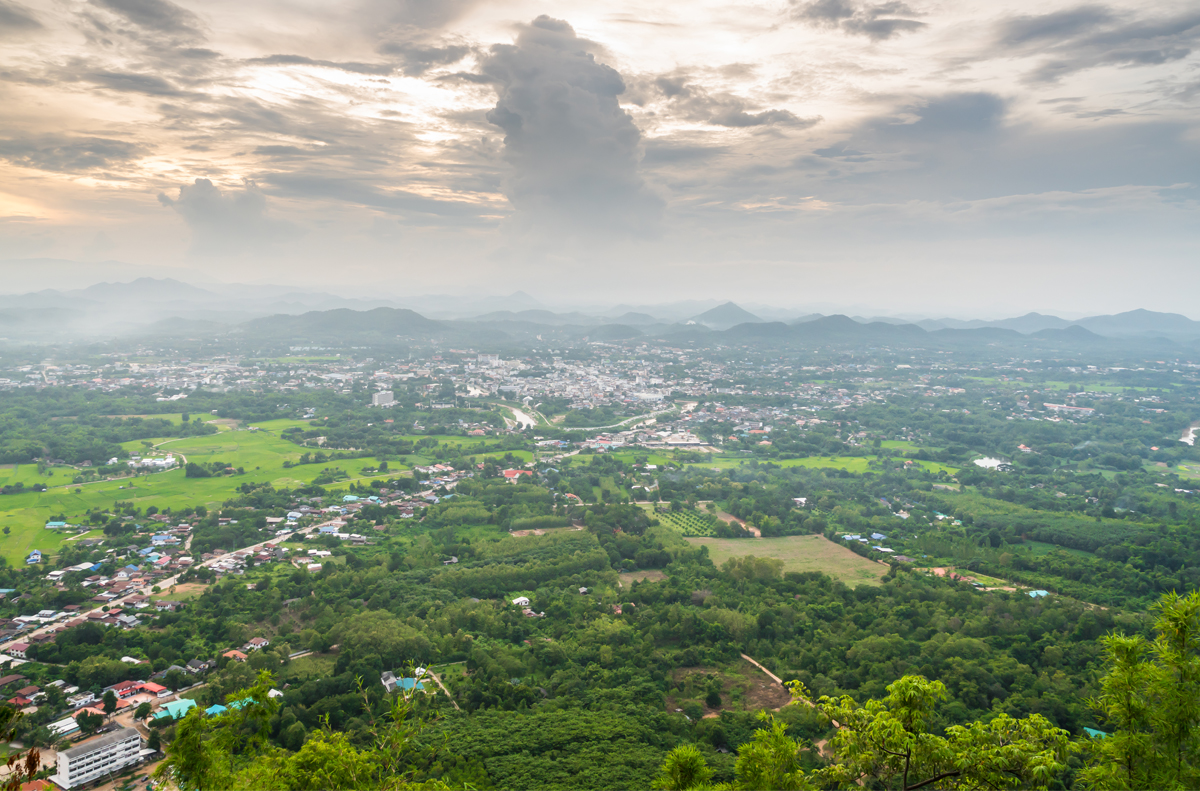
Bongaigaon is located in Lower Assam, in the lower part of the Brahmaputra Valley. The district covers about 1,093 square kilometres and is bordered by Chirang to the north, Barpeta to the east, Goalpara to the south, and Dhubri and Kokrajhar to the west.
The landscape includes plains, rivers, wetlands, hills, forests, tea gardens and agricultural areas. This geographical variety is one of the reasons Bongaigaon has such a diverse collection of natural and cultural attractions.
The district receives substantial monsoon rainfall. Summers are generally warm, while winters are cooler and more comfortable for sightseeing.
| Geographical Feature | What You Can Experience |
|---|---|
| Wetlands | Birdwatching and nature photography |
| Hills | Views, temples and short hikes |
| Forests | Wildlife and nature experiences |
| Tea Gardens | Scenic landscapes and photography |
Culture and Traditions of Bongaigaon
Bongaigaon's culture reflects the diversity of Lower Assam. Assamese, Bengali, Bodo and Hindi are among the languages spoken in the district, while different communities contribute to its food, festivals, religious traditions and everyday lifestyle.
The region has a strong connection with folk traditions, Hindu religious practices, agriculture and nature worship. Traditional beliefs and local customs continue to influence community life, particularly in rural areas.
Traditional Music and Festivals
Music, dance and community celebrations are an important part of Assamese life. During Bihu and other festivals, traditional instruments, songs, dance and local food bring communities together.
Religious Traditions
Bongaigaon has a strong tradition of temple worship, with Shiva, Shakti and other Hindu traditions represented at important sites across the district. Bagheswari Temple and the temples around Bagheswari Hill are among the best-known examples.
Architecture of Bongaigaon
Bongaigaon's architectural heritage ranges from ancient temple remains and rock-cut caves to traditional homes, royal-era buildings and modern urban structures.
Bagheswari Temple Complex
The Bagheswari area combines religious architecture with a natural hill setting. The hill contains an ancient Shiva temple inside a cave, while Bagheswari Temple and Baba Taraknath Temple are located nearby.
Lalmati-Duramari Archaeological Site
The Lalmati-Duramari area near Abhayapuri contains historic stone carvings and temple remains. Archaeological studies have suggested that some of the sculptures and temple remains may date from around the 8th to 10th centuries CE.
Rock-Cut Caves of Jogighopa
The rock-cut caves around Jogighopa are among the district's most unusual historical features. The caves and rock carvings are associated with the area's Buddhist heritage and add an archaeological dimension to a Bongaigaon trip.
Famous Places to Visit in Bongaigaon
Kakoijana Reserve Forest
Kakoijana Reserve Forest is one of Bongaigaon's most important nature attractions. Located close to Bongaigaon town, the forest is particularly known for the golden langur, one of the rare primates associated with the region.
The forest is a good choice for wildlife enthusiasts, photographers and travellers who want to experience Assam's natural landscapes.
Koyakujia Beel
Koyakujia Beel, near Abhayapuri, is a scenic wetland and park spread around a large water body with several small islands. Boating through the channels between the islands offers a peaceful way to experience the landscape.
The wetland is particularly attractive during winter, when migratory birds visit the area, making it a good destination for birdwatching and nature photography.
Bagheswari Temple
Bagheswari Temple is one of the oldest and most important temples in Bongaigaon town. Located near Birjhora Hill and surrounded by greenery and tea gardens, the temple is an important pilgrimage destination.
The Bagheswari Hill area also contains an ancient Shiva temple inside a stone cave and the nearby Baba Taraknath Temple.
Bagheswari Hill
Bagheswari Hill is located within the city and is less than a kilometre from central Bongaigaon. The hill provides panoramic views of the surrounding city and is also an important religious site.
Nakkati Hills
Nakkati Hills is a scenic hill destination popular with travellers looking for a short hike and panoramic views. Its distinctive landscape makes it particularly interesting for adventure seekers and photographers.
Tamranga Beel
Tamranga Beel is another wetland destination in the district. Its open landscape and waterbody make it suitable for nature lovers and birdwatchers, particularly during the cooler months.
Bhairabsura Hill
Bhairabsura Hill is a religious and historical site associated with Lord Shiva. Stone sculptures and religious remains have been found around the hill, and devotees visit the site on auspicious occasions.
Lalmati-Duramari Ganesh Mandir
The Lalmati-Duramari Ganesh Mandir near Abhayapuri is an important archaeological site. Stone carvings and temple remains found here have been studied by archaeologists, with some estimates placing them between the 8th and 10th centuries CE.
Rock-Cut Cave, Jogighopa
The Jogighopa rock-cut caves are an interesting stop for travellers fascinated by archaeology and ancient history. The caves and surrounding rock carvings provide clues to the area's historical religious traditions.
Rajbhawan of Rani Abhayeswari
The old royal residence associated with Rani Abhayeswari can be explored around Abhayapuri. The former Bijni Kingdom has an important place in the historical story of the region.
Famous Dishes to Try in Bongaigaon
Bongaigaon's food culture reflects the wider cuisine of Assam, where rice, fish, vegetables, herbs and locally available ingredients form the foundation of many traditional meals.
Maasor Tenga
Maasor Tenga is a light and tangy Assamese fish curry. The refreshing flavour makes it a popular accompaniment to steamed rice.
Khar
Khar is a distinctive Assamese preparation traditionally made using an alkaline ingredient. It is generally eaten with rice and is an important part of Assamese home-style cuisine.
Pitika
Pitika refers to simple mashed preparations made from ingredients such as potatoes, vegetables or fish. It is uncomplicated, flavourful and commonly served with rice.
Pitha
Pitha is a traditional rice-based Assamese delicacy prepared in several varieties. It is especially associated with festivals and special occasions.
Jolpaan
Jolpaan is a traditional Assamese breakfast or light meal that may include items such as flattened rice, puffed rice, curd and other regional ingredients.
Famous Personalities and Historical Figures Connected with Bongaigaon
Chilarai
Chilarai, the celebrated Koch military commander and younger brother of King Nara Narayan, is connected with local history through the traditional account that he rested around the present Birjhora area during his campaigns. This association is reflected in local history and the name Birjhora.
Rani Abhayeswari
Rani Abhayeswari was one of the notable rulers of the Bijni Kingdom. Abhayapuri, an important town in present-day Bongaigaon district, is associated with her name. The former royal residence remains part of the area's historical heritage.
Bong Roy
Bong Roy is a locally remembered nature-poet associated with one traditional explanation for the name Bongaigaon. According to local history, he was known for humorous and spontaneous oral compositions and was identified with the old village that eventually gave the town its name.
Festivals Celebrated in Bongaigaon
Rongali Bihu
Rongali Bihu, also known as Bohag Bihu, marks the Assamese New Year and the beginning of the agricultural season. Traditional songs, dance, new clothes, community gatherings and Assamese food are central to the celebration.
Magh Bihu
Magh Bihu, or Bhogali Bihu, marks the end of the harvest season. Feasting, traditional foods, community gatherings and meji bonfires are important parts of the celebration.
Kati Bihu
Kati Bihu, also known as Kongali Bihu, is a quieter festival associated with prayers for a good harvest. Earthen lamps are traditionally lit in fields and around homes.
Durga Puja
Durga Puja is celebrated with considerable enthusiasm in Bongaigaon and surrounding areas. The Bagheswari Temple becomes particularly important during the Durga Puja period.
Mahashivratri
Mahashivratri is especially significant at Shiva temples around Bagheswari Hill and Bhairabsura Hill, where devotees gather for prayers and religious observances.
Things to Do in Bongaigaon
- Explore Kakoijana Reserve Forest and look for golden langurs.
- Visit Koyakujia Beel for boating, birdwatching and photography.
- Climb Bagheswari Hill for city views and a spiritual experience.
- Visit Bagheswari Temple and explore its surrounding temple complex.
- Hike Nakkati Hills for panoramic views and an outdoor experience.
- Explore the Lalmati-Duramari archaeological site.
- Visit the Jogighopa rock-cut caves and explore the area's ancient heritage.
- Explore Tamranga Beel for a peaceful nature experience.
- Visit Bhairabsura Hill for its religious and historical significance.
- Try traditional Assamese cuisine at local eateries.
- Explore Abhayapuri and its royal-era heritage.
- Visit local tea gardens for photography and scenic landscapes.
Where to Eat, Shop and Stay in Bongaigaon
Where to Eat
Bongaigaon town has restaurants and local eateries serving Assamese, North Indian and other familiar cuisines. For a more local experience, look for eateries offering traditional rice meals, fish preparations, pitika and seasonal Assamese dishes.
Where to Shop
Local markets are useful for everyday shopping as well as exploring regional products. Visitors can look for Assamese handloom textiles, bamboo and cane products, traditional items and local food products.
Where to Stay
Bongaigaon town offers accommodation ranging from budget hotels to more comfortable higher-end options. Staying in the town is convenient for travellers planning day trips to Kakoijana, Koyakujia Beel, temples and other nearby attractions.
| Stay Type | Best For |
|---|---|
| Budget Hotel | Short city stays |
| Mid-Range Hotel | Families and couples |
| Higher-End Hotel | Comfort-focused travellers |
| Nature Stay | Wildlife and outdoor trips |
What is Bongaigaon Famous For?
Bongaigaon is famous for its combination of nature, wildlife, temples, wetlands and historical attractions.
- Kakoijana Reserve Forest and golden langurs
- Koyakujia Beel and its scenic wetland landscape
- Bagheswari Temple
- Bagheswari Hill
- Nakkati Hills
- Jogighopa rock-cut caves
- Lalmati-Duramari archaeological site
- Tamranga Beel
- Bhairabsura Hill
- Traditional Assamese culture and cuisine
Best Time to Visit Bongaigaon
The best time to visit Bongaigaon is from November to February, when the weather is cooler and more comfortable for sightseeing, wildlife experiences and outdoor activities.
March and April can also be pleasant for short trips, although temperatures gradually increase. The monsoon months bring substantial rainfall, which can make some outdoor activities less convenient.
| Season | Months | What to Expect |
|---|---|---|
| Winter | November–February | Cool and comfortable for sightseeing |
| Spring | March–April | Good for short trips and outdoor exploration |
| Summer | May | Warmer weather before the monsoon |
| Monsoon | June–September | Heavy rainfall and lush green surroundings |
Best overall choice: Visit between November and February if comfortable weather and outdoor sightseeing are your priorities. Winter is also a good period for birdwatching around the district's wetlands.
How to Reach Bongaigaon
By Air
The nearest major airport is Lokpriya Gopinath Bordoloi International Airport in Guwahati, approximately 210 kilometres from Bongaigaon town. From the airport, travellers can continue by road or rail.
By Train
Bongaigaon and New Bongaigaon railway stations provide excellent rail connectivity. Bongaigaon is an important railway junction connecting the region with major cities and towns across India.
By Road
Bongaigaon is well connected by road through major highways including NH-31, NH-31B and NH-31C. Regular buses and taxis connect the town with Guwahati and other major destinations in Assam.
| Mode | Best Option |
|---|---|
| Air | Guwahati Airport + road/rail |
| Train | Bongaigaon / New Bongaigaon |
| Road | Bus, taxi or private car |
Nearby Places to Visit from Bongaigaon
Abhayapuri
Abhayapuri is an important historical town associated with the former Bijni Kingdom. Visitors can explore its royal heritage and nearby attractions such as Koyakujia Beel and Lalmati-Duramari.
Kakoijana
Kakoijana is an easy nature excursion from Bongaigaon. Its forest landscape and golden langurs make it one of the best nearby destinations for wildlife enthusiasts.
Jogighopa
Jogighopa is known for its rock-cut caves and ancient archaeological heritage. It is a good choice for travellers interested in history and religious archaeology.
Manas National Park
Manas National Park can be included in a longer Bongaigaon itinerary. Assam Tourism notes that Bongaigaon can serve as a convenient overnight stop for visitors travelling to or from Manas.
Barpeta
Barpeta is another worthwhile destination nearby, particularly for travellers interested in Assam's Vaishnavite heritage, satras and traditional culture.
Best Duration for a Trip to Bongaigaon
2 days are enough for a comfortable Bongaigaon trip covering the town's main attractions and one or two nearby nature destinations. If you want to add Manas National Park or explore the wider district, 3 days would be more comfortable.
| Duration | Suggested Plan |
|---|---|
| 1 Day | Bagheswari Temple + Bagheswari Hill + local sightseeing |
| 2 Days | Bongaigaon + Kakoijana + Koyakujia Beel |
| 3 Days | Bongaigaon + Abhayapuri + nature/heritage attractions |
| 3–4 Days | Add a Manas National Park experience |
Travel Tips for Bongaigaon
- Plan outdoor visits early: Morning hours are comfortable for hills, forests and wetlands.
- Carry comfortable footwear: Some attractions involve walking, climbing or uneven terrain.
- Carry rain protection: Assam receives significant monsoon rainfall.
- Keep cash handy: Smaller shops and rural attractions may have limited digital payment options.
- Respect religious customs: Dress appropriately and follow local rules at temples.
- Ask before photographing people: Especially during religious ceremonies and community events.
- Use a local guide for wildlife: Local knowledge can make forest and wildlife experiences more informative.
- Carry insect repellent: It can be useful around forests and wetlands.
- Keep nature clean: Avoid littering around forests, hills, lakes and temples.
- Check local conditions: Heavy monsoon rain can affect roads and outdoor plans.
Why Visit Bongaigaon?
Bongaigaon is worth visiting because it brings together several sides of Assam in one accessible destination. You can begin the day with a temple or hill visit, spend the afternoon around a wetland or forest and finish by experiencing local food and everyday Assamese life.
The town's location also makes it useful as a base for exploring nearby destinations. Wildlife enthusiasts can visit Kakoijana, birdwatchers can explore wetlands such as Koyakujia Beel, while history lovers can discover ancient archaeological sites and royal-era heritage around Abhayapuri and Jogighopa.
For travellers who prefer nature, heritage, spirituality and offbeat experiences over crowded tourist attractions, Bongaigaon offers a refreshing way to explore Lower Assam.
Conclusion
Bongaigaon, Assam, is more than a railway and transport hub. Its surrounding forests, wetlands, hills, temples and archaeological sites reveal a destination with a rich mix of nature and history.
From the golden langurs of Kakoijana and the scenic waters of Koyakujia Beel to the spiritual atmosphere of Bagheswari Temple and the ancient heritage of Jogighopa, there is plenty to explore at a relaxed pace.
With 2 days, visitors can experience the major highlights, while a longer stay allows time for Abhayapuri, additional nature attractions or a trip towards Manas National Park.
If you want to discover a quieter and more varied side of Assam, Bongaigaon is well worth adding to your travel itinerary.
```
"Travel is the only thing you buy that makes you richer."