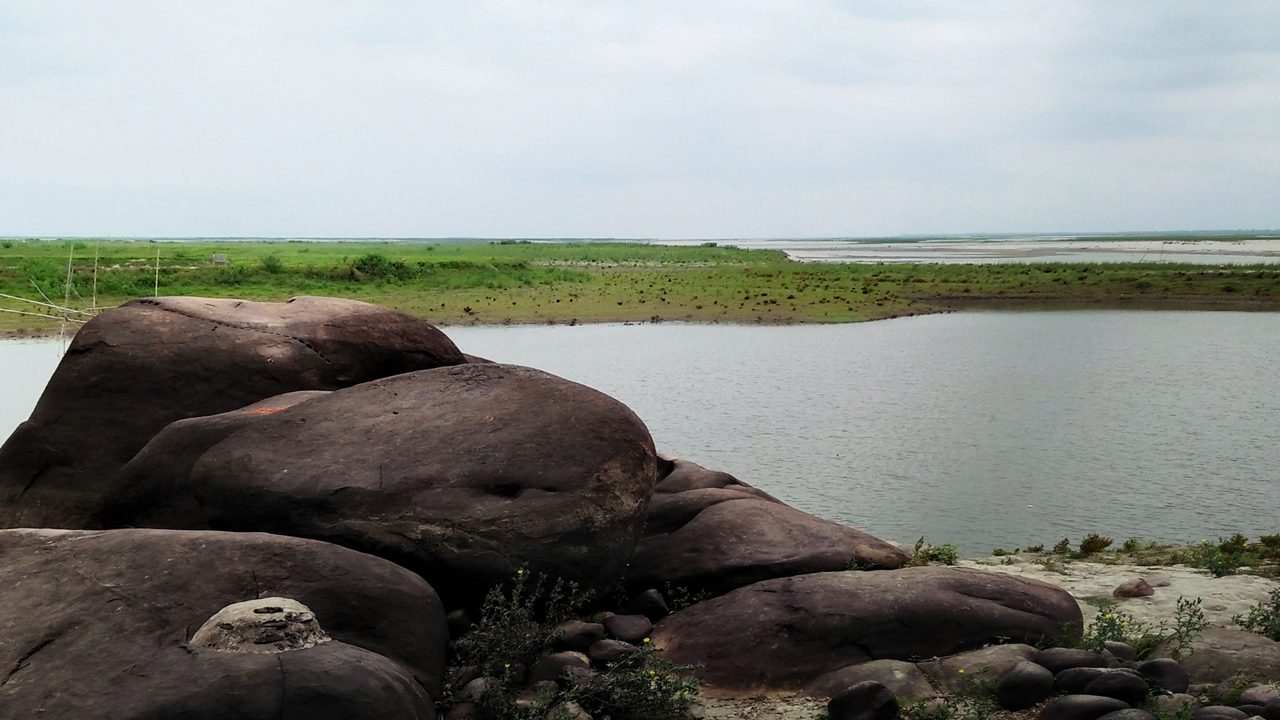
Biswanath – Where Ancient Temples Meet the Brahmaputra
Biswanath, popularly known as Biswanath Chariali, is a historic town in Assam and the headquarters of Biswanath district. Located on the north bank of the Brahmaputra, the town combines ancient temple heritage, archaeological remains, Assamese traditions and the peaceful landscapes of northern Assam.
The destination is best known for the historic Biswanath Temple, often associated with the name Gupta Kashi, and the nearby Biswanath Ghat. The region also has archaeological evidence of early medieval settlements, while its rivers, greenery and proximity to other attractions make it a useful base for exploring this part of Assam.
| Quick Fact | Details |
|---|---|
| State | Assam |
| City | Biswanath Chariali |
| District | Biswanath |
| District Headquarters | Biswanath Chariali |
| Location | North bank of the Brahmaputra River |
| Major Heritage Attraction | Biswanath Temple |
| Historic Ghat | Biswanath Ghat |
| Archaeological Site | Bamgaon Ruins |
| Major River | Brahmaputra |
History
Biswanath has a long history associated with religion, settlement and the cultural development of Assam. Archaeological remains found in and around the area indicate that human habitation and temple-building traditions existed here centuries ago.
The town takes its name from Biswanath, the important Shiva shrine located near the Brahmaputra. The historic Biswanath Ghat developed as a religious and river-based settlement and became an important part of the area's identity.
Biswanath Chariali developed as an urban centre in the modern period. A Town Committee was established in 1971, and the town became a sub-divisional headquarters in 1983. Biswanath district was subsequently created as a separate district in 2016, with Biswanath Chariali as its headquarters.
Biswanath and the Ahom Period
The region also preserves important traces of Assam's medieval and Ahom-era architectural traditions. The historic Biswanath Temple is associated with the Ahom period, while the surrounding region contains archaeological remains that reveal an even older history.
Geography
Biswanath district lies on the north bank of the Brahmaputra River, between the river in the south and the Himalayan foothills towards the north. The district shares a boundary with Arunachal Pradesh and is surrounded by the landscapes of eastern and central Assam.
The area is predominantly plain, with rivers flowing down from the Himalayan foothills before eventually joining the Brahmaputra. This creates a landscape of fertile plains, wetlands, rivers, agricultural fields and greenery.
| Geographical Feature | Details |
|---|---|
| District Area | Approximately 2,003 sq. km |
| Location | North bank of Brahmaputra |
| Southern Boundary | Brahmaputra River |
| Northern Side | Arunachal Pradesh and Himalayan foothill region |
| Important Rivers | Brahmaputra, Ghiladhari, Burhigang, Borgang and Behali |
| Climate | Sub-tropical monsoon climate |
The Brahmaputra and the smaller rivers around Biswanath play an important role in the landscape, agriculture and daily life of the region.
Culture and Traditions
Biswanath reflects the diverse cultural character of Assam, where Assamese traditions, Hindu religious practices, Vaishnavite culture, rural customs and indigenous traditions exist alongside one another.
Namghars and religious institutions remain important community spaces. Assamese music, devotional performances, traditional dance, Bihu celebrations and local fairs form an important part of cultural life.
Assamese Cultural Traditions
Visitors can experience elements of Assamese culture through traditional food, Bihu celebrations, local markets, devotional music and community gatherings.
Vaishnavite Influence
The influence of the neo-Vaishnavite movement can be seen in the region's namghars and religious practices. These institutions have traditionally served as places for prayer, cultural activities and community interaction.
Architecture
Biswanath's architectural heritage is strongly connected with its temples and archaeological remains.
Biswanath Temple
The historic Biswanath Temple is a protected medieval monument. It is a brick-built temple with a distinctive cruciform plan and terracotta decoration. The temple represents an early phase of the development of Ahom temple architecture in Assam.
The temple is associated with Ahom King Gadadhar Singha, who ruled from 1680 to 1696. Decorative terracotta plaques cover sections of the exterior walls, while the temple also contains stone architectural elements with floral carvings.
Bamgaon Archaeological Ruins
Bamgaon preserves archaeological evidence of an early medieval brick temple. Excavations carried out in 2002–03 revealed remains dating approximately to the 8th–9th centuries CE, along with sculptures and terracotta objects.
Famous Places
Biswanath Temple
Biswanath Temple is the most important heritage and religious attraction associated with the town. Also known as Gupta Kashi, the temple stands near the confluence of the Brahmaputra and the Buriganga or Bridhaganga river system.
According to Assam Tourism, worship at the site has a history extending back to the 16th century. During the rainy season, the old Shiva linga becomes submerged and reappears as water levels recede.
Biswanath Ghat
Biswanath Ghat is the riverside setting associated with the historic temple. The ghat was once an important centre for river transportation and settlement along the Brahmaputra.
Today, the area offers visitors a chance to experience the riverine landscape and the spiritual atmosphere surrounding one of Assam's important Shiva shrines.
Bamgaon Archaeological Site
Bamgaon is an important archaeological site in Biswanath Chariali. Excavations revealed remains of an early medieval brick temple dating to approximately the 8th–9th centuries CE. Sculptures, terracotta objects and decorated brick fragments were also discovered.
Central Namghar
The Central Namghar reflects the importance of Assamese Vaishnavite traditions in local community life. Namghars traditionally function as places of prayer, devotional music, cultural activities and community gatherings.
Binapani Natya Mandir
Binapani Natya Mandir has long been associated with cultural activities in Biswanath Chariali. It represents the town's continuing interest in theatre, literature and performing arts.
Local Markets
The markets of Biswanath Chariali offer a glimpse into everyday Assamese life. Visitors can explore local produce, snacks, traditional products and everyday goods while experiencing the town's relaxed commercial atmosphere.
Famous Dishes
Biswanath does not have one officially recognised dish that is unique only to the city. However, visitors can explore the wider culinary traditions of Assam through local restaurants, markets and household-style meals.
Masor Tenga
Masor Tenga is a classic Assamese fish curry known for its light and tangy flavour. Sour ingredients such as tomato, lemon or other regional produce are commonly used to give the dish its distinctive taste.
Khar
Khar is a traditional Assamese preparation made using an alkaline ingredient traditionally derived from banana ash. It is an important part of a traditional Assamese meal.
Aloo Pitika
Aloo Pitika is a simple Assamese preparation of mashed potatoes mixed with onion, green chilli, mustard oil and other ingredients. It is commonly served with rice and dal.
Patot Diya Maas
Patot Diya Maas is fish prepared with herbs and spices, wrapped in banana leaves and cooked until aromatic. The dish highlights the natural flavours commonly associated with Assamese cuisine.
Pitha
Assamese pitha comes in many forms and is especially associated with festivals such as Bihu. Rice flour, sesame, coconut and jaggery are common ingredients in different varieties.
Assam Tea
Tea is an essential part of Assam's food culture. Visitors can enjoy a cup of locally produced Assam tea, known for its strong flavour, rich colour and distinctive aroma.
Famous Personalities
Kamalakanta Bhattacharya
Kamalakanta Bhattacharya, popularly known as Agnikobi, was a prominent Assamese poet, essayist and social reformer. He was born in Gorehagi village near Biswanath Chariali in 1853.
He was associated with Assamese literary and nationalist movements and served as president of the Asam Sahitya Sabha in 1929. His literary and social contributions make him an important personality connected with Biswanath.
Other Local Cultural Figures
Biswanath Chariali has also supported a wider community of writers, theatre artists, performers and cultural workers through local institutions and cultural programmes. The town's literary and theatrical traditions remain an important part of its identity.
Festivals
Bihu
Bihu is the most important cultural festival of Assam and is celebrated enthusiastically in Biswanath. Traditional dance, music, community gatherings, food and cultural programmes form a major part of the celebrations.
Bohag Bihu at Biswanath Temple
The historic Biswanath Temple has a special connection with Bohag Bihu. On the third day of the festival, the metallic idol of Biswanath is traditionally taken in a procession to Bhargaon and later brought back to the temple.
Maha Shivratri
As an important Shiva shrine, Biswanath Temple attracts devotees during Maha Shivratri. Religious rituals and prayers create a particularly vibrant atmosphere around the temple.
Local Religious Festivals
Various religious observances and community celebrations take place at temples and namghars across the region throughout the year. These events provide visitors with opportunities to experience local traditions beyond conventional sightseeing.
Things to Do
- Visit Biswanath Temple: Explore one of Assam's important historic Shiva temples.
- Explore Biswanath Ghat: Experience the riverside landscape along the Brahmaputra.
- Discover Bamgaon: Explore archaeological remains dating to the early medieval period.
- Experience Assamese culture: Visit local namghars and cultural spaces.
- Attend Bihu celebrations: Experience traditional music, dance and community festivities.
- Try Assamese food: Sample regional dishes such as Masor Tenga, Khar and Aloo Pitika.
- Explore local markets: Discover local produce, snacks and everyday Assamese products.
- Photography: Capture temples, rivers, rural landscapes and local cultural scenes.
- Take a heritage-focused day trip: Combine Biswanath with nearby archaeological and cultural attractions.
Where to Eat, Shop, and Stay
Where to Eat
Biswanath Chariali has local restaurants, small eateries and food stalls where visitors can find Assamese and Indian food. For a more authentic experience, look for places serving traditional Assamese meals and seasonal dishes.
Visitors should try:
- Masor Tenga
- Khar
- Aloo Pitika
- Patot Diya Maas
- Assamese Pitha
- Jolpaan
- Assam Tea
Where to Shop
Local markets around Biswanath Chariali are useful for experiencing everyday life and purchasing regional food products, snacks, textiles, handicrafts and household items.
Where to Stay
Biswanath Chariali is the most convenient base for exploring Biswanath Temple and the surrounding attractions. Visitors can choose from local hotels and guesthouses, while travellers seeking more accommodation choices can also stay in nearby larger towns such as Tezpur.
| Traveller Type | Recommended Option |
|---|---|
| Budget Traveller | Local hotels and guesthouses in Biswanath Chariali |
| Heritage Traveller | Stay in Biswanath Chariali for easy access to the temple and archaeological sites |
| Comfort Traveller | Biswanath Chariali or Tezpur |
| Extended Trip | Tezpur as a larger base for nearby attractions |
What is Biswanath Famous For?
Biswanath is primarily known for its historic Shiva temple, Biswanath Ghat, archaeological heritage and Assamese cultural traditions.
| Known For | Why It Matters |
|---|---|
| Biswanath Temple | Historic Shiva temple and protected heritage monument |
| Gupta Kashi | Traditional name associated with the Biswanath shrine |
| Biswanath Ghat | Historic riverside religious and transport centre |
| Bamgaon Ruins | Early medieval archaeological remains |
| Assamese Culture | Bihu, namghar traditions, food and performing arts |
| Brahmaputra Landscape | Riverine scenery and fertile plains |
Best Time to Visit
The most comfortable period to explore Biswanath is generally October to April. Assam Tourism specifically recommends October to April for visiting the Biswanath Temple.
| Period | Travel Experience |
|---|---|
| October–November | Comfortable weather and good conditions for sightseeing |
| December–February | Cooler weather and comfortable heritage exploration |
| March–April | Good period for temple visits and Bihu-related cultural experiences |
| May–September | Green landscapes but heavier rainfall and possible flooding in low-lying areas |
Visitors planning to explore the Brahmaputra-side areas should pay particular attention to weather and river conditions during the monsoon.
How to Reach
By Air
Tezpur Airport, also known as Salonibari Airport, is the nearest airport commonly used for reaching the Biswanath region. The airport is connected to the wider Assam transport network by road.
Travellers can also use Lokpriya Gopinath Bordoloi International Airport in Guwahati when greater flight connectivity is required and continue the journey by road or rail.
By Train
Biswanath Chariali Railway Station provides rail connectivity to the town. The railway line connects the region with important destinations in Assam and the wider Northeast.
By Road
Road travel is one of the easiest ways to reach Biswanath Chariali. The town is connected with major destinations across Assam and lies on the important north-bank road network.
| Mode | Recommended Connection |
|---|---|
| Air | Tezpur Airport / Guwahati Airport |
| Rail | Biswanath Chariali Railway Station |
| Road | Assam State and private bus services, taxis and private vehicles |
Nearby Places
Tezpur
Tezpur is one of the major cultural and historical destinations of northern Assam. It offers archaeological sites, temples, parks and views of the Brahmaputra and surrounding hills. Biswanath Chariali and Tezpur are connected by road, making Tezpur an easy addition to a wider Assam itinerary.
Nameri National Park
Nameri is a popular nature and wildlife destination in northern Assam. Its forests, rivers and wildlife make it an excellent choice for travellers who want to combine heritage tourism in Biswanath with nature and adventure.
Kaziranga National Park
Kaziranga is one of India's most famous wildlife destinations and is known particularly for its one-horned rhinoceros. It can be combined with Biswanath as part of a broader Assam wildlife and heritage itinerary.
Gohpur
Gohpur is another important destination within Biswanath district. It is associated with Assam's cultural and freedom-movement history and can be included in a wider district exploration.
Biswanath Ghat
For travellers staying in Biswanath Chariali, Biswanath Ghat is an essential nearby excursion. Its temple, river landscape and historic significance make it one of the most important places to experience the character of the region.
| Nearby Destination | Travel Interest |
|---|---|
| Tezpur | Heritage, culture and sightseeing |
| Nameri National Park | Wildlife, forests and nature |
| Kaziranga National Park | Wildlife and one-horned rhinoceros |
| Gohpur | History and cultural heritage |
| Biswanath Ghat | Temple, Brahmaputra and riverside heritage |
Best Duration for a Trip
2 days are enough for a focused Biswanath trip covering the main temple, ghat, archaeological heritage and local cultural experiences.
Suggested 2-Day Itinerary
| Day | Plan |
|---|---|
| Day 1 | Biswanath Temple, Biswanath Ghat, local markets and Assamese food experience |
| Day 2 | Bamgaon archaeological site, local cultural attractions and a nearby excursion |
For travellers combining Biswanath with Tezpur, Nameri or Kaziranga, a 3–4 day itinerary is more suitable.
Travel Tips
- Visit temples respectfully: Follow local customs and dress appropriately.
- Start sightseeing early: Morning hours are generally more comfortable for outdoor exploration.
- Carry rain protection: Assam receives significant rainfall during the monsoon.
- Check river conditions: Be cautious around Brahmaputra-side areas during periods of heavy rain.
- Wear comfortable footwear: Archaeological and heritage sites may involve walking over uneven surfaces.
- Protect heritage: Do not climb, scratch or touch fragile archaeological structures.
- Try local food: Explore Assamese dishes and traditional snacks.
- Carry cash: Smaller shops and rural attractions may not always accept digital payments.
- Respect photography rules: Ask permission before photographing people or religious ceremonies.
- Plan transport: A private vehicle or local taxi is useful if you want to visit several attractions outside the town.
Why Visit Biswanath?
Biswanath is an excellent destination for travellers who want to discover the religious, archaeological and cultural side of Assam. Its appeal comes from the combination of an ancient Shiva shrine, a historic riverside landscape, archaeological remains and living Assamese traditions.
Unlike Assam destinations known primarily for wildlife or tea, Biswanath offers a more intimate heritage experience. The town allows travellers to explore history at a relaxed pace while using it as a base for nearby destinations.
Top Reasons to Visit
- Explore the historic Biswanath Temple.
- Experience the spiritual atmosphere of Biswanath Ghat.
- Discover early medieval remains at Bamgaon.
- Experience Assamese food and cultural traditions.
- Explore Bihu and local religious celebrations.
- Enjoy the scenic landscapes of the Brahmaputra region.
- Combine heritage tourism with nearby wildlife destinations.
Conclusion
Biswanath is a destination where Assam's religious heritage, archaeology and riverine landscape come together. From the historic Biswanath Temple and Biswanath Ghat to the early medieval remains at Bamgaon, the town offers travellers a glimpse into the deep history of northern Assam.
Its cultural traditions, Assamese cuisine and proximity to destinations such as Tezpur, Nameri and Kaziranga make Biswanath a useful addition to a wider Assam itinerary.
For travellers looking for a destination beyond Assam's better-known attractions, Biswanath offers a quieter journey through temples, history, culture and the timeless landscape of the Brahmaputra.
"Travel is the only thing you buy that makes you richer."