Dhemaji: Assam's Land of Rivers, Heritage and Indigenous Culture
Located in the northeastern corner of Assam, Dhemaji is a destination where rivers, fertile plains, forests, wetlands and centuries-old cultural traditions come together. Situated between the Arunachal Pradesh foothills and the mighty Brahmaputra, the district offers travelers a quieter and more authentic side of Assam.
Dhemaji is particularly known for its connection with the early history of the Ahom Kingdom, indigenous communities, agricultural landscapes and natural attractions such as Poba Reserve Forest and Gerukamukh. The district's rivers and tributaries have shaped both its landscape and the lives of its people.
For travelers looking beyond Assam's more famous destinations, Dhemaji provides opportunities to experience village life, traditional culture, forests, rivers, local food, heritage sites and scenic picnic destinations.
History
The history of Dhemaji is closely associated with the early history of the Ahom Kingdom. According to the Government of Assam, around 1240 AD, Ahom ruler Chow Sukapha established his capital at a place known as Habung, located in the present-day Dhemaji region. Due to recurring floods, the capital was later shifted.
After this period, the region came under the influence of the Chutia Kingdom. In 1523, the Ahom ruler Chuhung-Moong attacked the Chutia king Natipal, after which the area again came under Ahom rule.
The region has historically been home to several indigenous communities, including the Mising, Sonowal Kachari, Bodo Kachari, Deori and Laloong. Over different periods, other communities including Ahom, Rabha, Tai-Khamti, Konch, Keot, Kaibarta, Brahmin, Kayastha and Kalita communities also settled in the area.
The name Dhemaji is popularly connected with the area's recurring floods. One traditional explanation relates the name to the Assamese words Dhal, meaning flood, and Dhemali, meaning playing. The expression "Dhal Dhemali" was interpreted as a "playground of floods", eventually giving rise to the name Dhemaji.
Administratively, the present-day Dhemaji area was originally part of Lakhimpur district. In 1971, Dhemaji became a sub-division, and in 1989 it became an independent district comprising Dhemaji and Jonai subdivisions.
Geography
Dhemaji lies in the northeastern part of Assam and occupies a strategically important location between the Arunachal Pradesh foothills, the Brahmaputra River and the Subansiri River.
The district is predominantly a plain area, with the landscape gradually rising towards the Arunachal Pradesh foothills. Numerous rivers and tributaries cross the region, contributing to fertile agricultural land but also making Dhemaji particularly vulnerable to seasonal flooding.
| Geographical Feature | Details |
|---|---|
| Region | North-eastern Assam |
| District Headquarters | Dhemaji |
| Area | Approximately 3,237 sq. km |
| Average Elevation | Approximately 104 metres above mean sea level |
| Major River | Brahmaputra |
| Important Rivers | Subansiri, Jiadhol and other tributaries |
| North/East | Arunachal Pradesh |
| West | Lakhimpur district |
| South | Brahmaputra River |
The extensive river network has created fertile alluvial land that supports agriculture, particularly rice cultivation. At the same time, annual floods are an important part of the region's environmental and social landscape.
Culture and Traditions
Dhemaji has a rich indigenous cultural heritage. The district is traditionally associated with communities such as the Mising, Deori, Sonowal Kachari and Bodo Kachari, along with Assamese and other communities.
The Mising community has a particularly strong presence in Dhemaji. Their traditional houses, handloom weaving, agricultural practices, music, dance and festivals form an important part of the cultural identity of the region.
Agriculture and river-based lifestyles have historically influenced local traditions. Traditional food, community celebrations and seasonal festivals remain closely connected with the agricultural calendar.
- Mising Culture: Known for traditional weaving, music, dance and agricultural traditions.
- Deori Culture: Known for distinctive religious traditions, festivals and community customs.
- Sonowal Kachari Culture: Known for traditional festivals, music and indigenous heritage.
- Assamese Culture: Reflected through Bihu, language, cuisine, music and religious traditions.
- Handloom: Traditional textiles and woven products remain important cultural expressions.
Architecture
Dhemaji's architecture combines traditional Assamese and indigenous structures with historic religious and cultural monuments.
Traditional rural houses often make extensive use of bamboo, timber and locally available materials. In flood-prone areas, elevated structures are particularly practical and reflect the adaptation of local communities to the region's environmental conditions.
The district's historical architecture includes religious and archaeological sites such as Ghuguha Dol and the heritage landscape associated with Habung.
Modern Dhemaji town has developed as an administrative and commercial centre, while the surrounding villages retain much of the traditional character of rural Upper Assam.
Famous Places
Habung
Habung is one of Dhemaji's most important historical destinations. According to the Government of Assam, Ahom ruler Chow Sukapha established his capital here around 1240 AD.
Habung is therefore significant for travelers interested in the early history of the Ahom Kingdom. The site is also receiving development and beautification attention as an important historical place in the district.
Poba Reserve Forest
Poba Reserve Forest is one of Dhemaji's most important natural attractions. The forest landscape supports rich biodiversity and provides an opportunity to experience the natural environment of northeastern Assam.
The area is particularly appealing to travelers interested in forests, wildlife, birds, photography and nature exploration.
Gerukamukh
Gerukamukh is one of the most scenic destinations near Dhemaji. Located approximately 45 kilometres from Dhemaji, the area is surrounded by rolling hills, dense evergreen forests and the Subansiri River.
Gerukamukh is popular for picnics, nature experiences and angling. The combination of hills, forest and river makes it one of the district's most attractive natural destinations.
| Gerukamukh Experience | Details |
|---|---|
| Distance from Dhemaji | Approximately 45 km |
| Landscape | Hills, forests and Subansiri River |
| Popular Activities | Picnic, nature viewing and angling |
| Recommended Season | November to March |
Ghuguha Dol
Ghuguha Dol is an important historical and religious site in Dhemaji. The monument reflects the region's historic temple architecture and provides visitors with an opportunity to explore the cultural heritage of Assam.
It is one of the places worth including in a heritage-focused Dhemaji itinerary.
Subansiri Iron Bridge
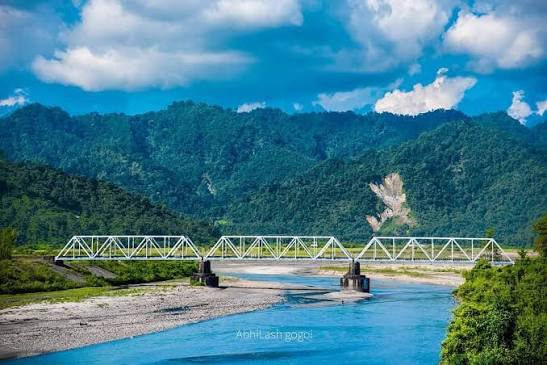
The Subansiri Iron Bridge is an important landmark associated with the region's transport infrastructure and the Subansiri River. The surrounding river landscape also provides opportunities for photography and scenic stops.
Bogibeel Bridge Picnic Spot
The area around the Bogibeel Bridge provides scenic views of the Brahmaputra and is a popular destination for outings and photography.
The bridge has greatly improved connectivity between northern Assam and Dibrugarh and has strengthened Dhemaji's connection with the wider Upper Assam region.
Gogamukh
Gogamukh is an important locality in the district and serves as a gateway towards destinations such as Gerukamukh. The surrounding rural landscapes offer glimpses of agricultural life and the natural character of Dhemaji.
Jonai
Jonai is one of the important subdivisions of Dhemaji district and is known for its rich indigenous cultural landscape. The region has a strong Mising presence and offers opportunities to experience traditional village life and local customs.
Silapathar
Silapathar is an important town in the Dhemaji region and serves as a commercial and transport centre. Its location near the Arunachal Pradesh border makes it an important gateway for travel towards neighbouring areas.
Pasighat Gateway Region
Dhemaji's location close to Arunachal Pradesh makes it an important approach route for travelers heading towards Pasighat and eastern Arunachal Pradesh. The journey itself provides opportunities to experience changing landscapes from the plains towards the Himalayan foothills.
Famous Dishes
Dhemaji's cuisine reflects the food traditions of Assam and its indigenous communities. Rice is a staple, while fish, vegetables, herbs and locally available ingredients feature prominently in traditional meals.
Masor Tenga
Masor Tenga is a traditional Assamese fish preparation known for its light, tangy flavour. It is commonly enjoyed with steamed rice and is a popular dish throughout Assam.
Khar
Khar is a traditional Assamese preparation made using an alkaline ingredient. It has a distinctive taste and is commonly served as part of a traditional Assamese meal.
Pitika
Pitika refers to a variety of mashed preparations made from vegetables, potatoes, fish or other ingredients. Mustard oil, onions and chillies are often used to enhance the flavour.
Poita Bhat
Poita Bhat is a traditional Assamese preparation involving fermented or soaked cooked rice. It is particularly associated with rural Assamese food traditions and is often accompanied by vegetables, chillies and other side dishes.
Traditional Mising Food
Traditional Mising cuisine makes extensive use of rice, fish, vegetables, herbs and locally available ingredients. Food traditions vary between families and communities, providing visitors with an opportunity to experience a distinctive indigenous cuisine.
Pitha
Pitha is a traditional rice-based Assamese food commonly prepared during festivals and special occasions. Different varieties are steamed, roasted or filled with coconut, jaggery and other ingredients.
Famous Personalities
Indira Miri
Indira Miri was an influential Assamese educationist and social worker associated with the Mising community. She made an important contribution to education and social development in Assam and remains an inspirational figure in the region's educational history.
Ranoj Pegu
Ranoj Pegu is a prominent political leader from Dhemaji district and has represented Dhemaji in Assam politics. He has also held important ministerial responsibilities in the Government of Assam.
Pradan Baruah
Pradan Baruah is a political leader associated with the Dhemaji region and has represented the Lakhimpur parliamentary constituency in the Lok Sabha.
Jadav Payeng
Jadav Payeng, popularly known as the "Forest Man of India", is associated with Majuli and the wider riverine-cultural landscape of Assam. His environmental work is particularly relevant to travelers exploring Assam's river islands, forests and indigenous ecological traditions.
Festivals
Ali Ai Ligang
Ali Ai Ligang is one of the most important festivals of the Mising community. It marks the beginning of the agricultural season and is celebrated with traditional songs, dances, food and community gatherings.
Bihu
Bihu is celebrated throughout Dhemaji and remains one of Assam's most important cultural festivals. Rongali Bihu, Magh Bihu and Kati Bihu are associated with different stages of the agricultural calendar.
Magh Bihu
Magh Bihu marks the harvest season and is traditionally associated with community feasting, bonfires and rural celebrations.
Kati Bihu
Kati Bihu is a quieter agricultural festival during which lamps are traditionally lit and prayers are offered for a good harvest.
Deori Festivals
The Deori community observes distinctive traditional festivals connected with agriculture, religion and community life. These celebrations contribute to the cultural diversity of Dhemaji.
Indigenous Cultural Celebrations
Various communities in Dhemaji organize cultural programmes featuring traditional music, dance, handloom, food and community rituals. Travelers visiting during festival periods can experience the district's cultural diversity more closely.
Things to Do
Dhemaji is best experienced slowly, with time for nature, heritage and local culture. Some of the best things to do include:
- Explore Habung: Discover one of the important historical sites connected with the early Ahom Kingdom.
- Visit Poba Reserve Forest: Explore the forest landscape and observe local biodiversity.
- Take a trip to Gerukamukh: Enjoy the Subansiri River, forests and surrounding hills.
- Go for a picnic: Gerukamukh and the Bogibeel area are suitable for scenic outings.
- Explore Ghuguha Dol: Discover an important historical and religious monument.
- Enjoy river landscapes: Visit areas around the Brahmaputra and Subansiri rivers.
- Experience Mising culture: Learn about traditional food, weaving, music and village life.
- Try local Assamese cuisine: Taste rice, fish, Pitika, Khar and traditional snacks.
- Go birdwatching: Forests, wetlands and riverine habitats provide opportunities for observing birds.
- Visit during Ali Ai Ligang: Experience Mising music, dance and agricultural traditions.
- Explore nearby Arunachal gateways: Use Dhemaji as a starting point for longer journeys towards the Himalayan foothills.
- Enjoy photography: Capture rivers, agricultural fields, forests, traditional villages and mountain views.
Where to Eat, Shop, and Stay
Where to Eat
Dhemaji town has local restaurants and eateries serving Assamese and North-Eastern food. Visitors should look for traditional rice-based meals and locally prepared fish and vegetable dishes.
| Food Experience | What to Try |
|---|---|
| Assamese Meal | Rice, dal, vegetables, fish and Pitika |
| Traditional Fish | Masor Tenga and local fish preparations |
| Indigenous Cuisine | Mising-style rice, fish and vegetable preparations |
| Traditional Snacks | Pitha and other rice-based snacks |
Where to Shop
Shopping in Dhemaji is mainly focused on local handloom, handicrafts, bamboo products and traditional Assamese items.
- Mising handloom textiles
- Traditional Assamese fabrics
- Bamboo and cane products
- Handmade baskets
- Traditional household items
- Local agricultural and food products
- Traditional ethnic accessories
Where to Stay
Dhemaji town offers basic hotels, guest houses and other accommodation options. Travelers planning to visit remote natural destinations such as Gerukamukh should confirm accommodation and transport arrangements in advance.
| Stay Type | Best For |
|---|---|
| Budget Hotel | Short stays and economical travel |
| Mid-Range Hotel | Families and couples |
| Guest House | Short business or travel stays |
| Homestay | Local culture and village experiences |
| Nature Stay | Travelers exploring forest and river areas |
What is Dhemaji Famous For?
Dhemaji is famous for its rivers, recurring floods, indigenous cultures, Ahom heritage and natural landscapes.
- Habung: Associated with the early history of the Ahom Kingdom.
- Poba Reserve Forest: Important natural and biodiversity destination.
- Gerukamukh: Scenic Subansiri River, hills and forests.
- Mising Culture: Traditional weaving, festivals, music and village life.
- Riverine Landscape: Brahmaputra, Subansiri and numerous tributaries.
- Ghuguha Dol: Historical and religious heritage.
- Agriculture: Fertile alluvial land supports rice and other crops.
- Indigenous Cuisine: Traditional rice, fish, vegetables and local ingredients.
Best Time to Visit
The most comfortable period for exploring Dhemaji is generally during the cooler and drier months from November to March. Assam Tourism specifically recommends November to March for Gerukamukh.
| Season | Travel Experience | Recommendation |
|---|---|---|
| November–February | Cooler weather and good conditions for outdoor activities | Best |
| March–April | Warmer weather with green landscapes | Good |
| May–September | Heavy rainfall and lush greenery; flood risk in some areas | Use caution |
| October | Post-monsoon landscapes and improving weather | Good |
The monsoon period requires additional planning because Dhemaji is one of Assam's flood-prone regions. Heavy rainfall can affect roads, bridges and access to riverine and forest destinations.
How to Reach
By Air
The nearest practical airports for Dhemaji are Lilabari Airport near North Lakhimpur and Dibrugarh Airport. Travelers can continue to Dhemaji by road after arriving at either airport.
By Train
Dhemaji is connected to the railway network of Assam. The railway line through the northern bank provides connectivity with important towns in Assam and the wider Northeast.
Dhemaji Railway Station and nearby stations such as Gogamukh can be useful depending on the travel itinerary.
By Road
Dhemaji is connected by road with North Lakhimpur, Dibrugarh, Silapathar, Jonai and other parts of Assam. Road travel is particularly useful for reaching attractions outside Dhemaji town.
| Travel Mode | Recommended Option | Best For |
|---|---|---|
| Air + Road | Lilabari Airport → Dhemaji | Travelers arriving from other cities |
| Air + Road | Dibrugarh Airport → Dhemaji | More flight options and Upper Assam itineraries |
| Train | Dhemaji/Gogamukh railway stations | Budget and scenic travel |
| Road | North Lakhimpur/Dibrugarh → Dhemaji | Flexible regional travel |
Nearby Places
Gerukamukh
Gerukamukh is one of the best nearby nature destinations. The Subansiri River, evergreen forests and surrounding hills make it ideal for a day trip from Dhemaji.
Poba Reserve Forest
Poba Reserve Forest provides an opportunity to explore forest ecosystems and observe the biodiversity of the northern Assam landscape.
North Lakhimpur
North Lakhimpur is an important urban centre west of Dhemaji and a useful transport gateway for travelers arriving by air through Lilabari.
Silapathar
Silapathar is an important commercial and transport town in the region and provides access towards the Arunachal Pradesh side of the Northeast.
Jonai
Jonai is an important cultural and administrative area of Dhemaji district, particularly known for its indigenous communities and rural landscapes.
Bogibeel
Bogibeel is known for the iconic bridge across the Brahmaputra and its scenic riverbank surroundings. It can be combined with a broader Upper Assam itinerary.
Dibrugarh
Dibrugarh, Assam's famous tea city, is accessible from Dhemaji and makes an excellent addition to a longer Upper Assam trip.
Majuli
Majuli, the famous river island of Assam, can be combined with a Dhemaji journey for travelers interested in satra culture, traditional arts, mask-making and river-island life.
Best Duration for a Trip
A short visit can cover Dhemaji town and nearby heritage attractions, while a longer stay allows travelers to explore Gerukamukh, Poba Reserve Forest and the wider cultural landscape.
| Duration | Suggested Experience |
|---|---|
| 1 Day | Dhemaji town, Habung or Ghuguha Dol and local food |
| 2 Days | Dhemaji + Habung + Poba Reserve Forest |
| 3 Days | Dhemaji + Gerukamukh + Poba + cultural experiences |
| 4 Days | Dhemaji + Gerukamukh + Jonai/Silapathar + heritage sites |
| 5 Days | Dhemaji combined with Dibrugarh, Bogibeel or Majuli |
Travel Tips
- The best general period for outdoor sightseeing is November to March.
- Check weather and road conditions before travelling during the monsoon.
- Remember that Dhemaji is a flood-prone region, so river and road conditions can change quickly.
- Carry rain protection even outside the peak monsoon period.
- Wear comfortable shoes for forest walks and outdoor sightseeing.
- Carry sufficient cash when visiting rural destinations where digital payment facilities may be limited.
- Arrange local transport in advance for Gerukamukh and remote attractions.
- Respect local tribal customs and community traditions.
- Ask permission before photographing people, ceremonies or private homes.
- Do not disturb birds or wildlife in forest and wetland areas.
- Follow local instructions when visiting riverbanks and picnic areas.
- Avoid entering rivers or streams during strong currents or after heavy rainfall.
- Carry basic medicines and personal essentials when travelling to remote areas.
- Try local Assamese and indigenous food to experience the cultural character of the district.
- Festival periods can be particularly rewarding for travelers interested in local culture.
Why Visit Dhemaji?
Dhemaji offers a side of Assam that many travelers miss. Instead of crowded tourist centres, visitors find river landscapes, indigenous villages, forests, agricultural fields and historical sites spread across a peaceful region.
The district is especially attractive for travelers who want to understand the connection between Assam's people and its rivers. The Brahmaputra and Subansiri are not simply geographical features; they influence agriculture, transportation, settlement patterns and everyday life.
History enthusiasts can explore the area's connection with the early Ahom Kingdom at Habung, while nature lovers can travel towards Poba and Gerukamukh. Cultural travelers can experience Mising and other indigenous traditions through food, festivals, weaving, music and village life.
Dhemaji is also strategically located for travelers exploring Upper Assam and Arunachal Pradesh, making it a useful stop on a longer Northeast India itinerary.
Conclusion
Dhemaji is a destination where history, nature and indigenous culture come together. From the historic landscape of Habung to the forests of Poba and the scenic hills and Subansiri River at Gerukamukh, the district offers a quieter and more authentic travel experience.
Its rivers have shaped the land, its indigenous communities have preserved distinctive traditions, and its historical sites provide a connection to Assam's early kingdoms. For travelers willing to explore beyond the state's better-known destinations, Dhemaji can be a rewarding discovery.
If you want to experience Assam's riverine landscapes, indigenous cultures, historical roots and peaceful natural surroundings, Dhemaji is a destination worth exploring.
"Travel is the only thing you buy that makes you richer."