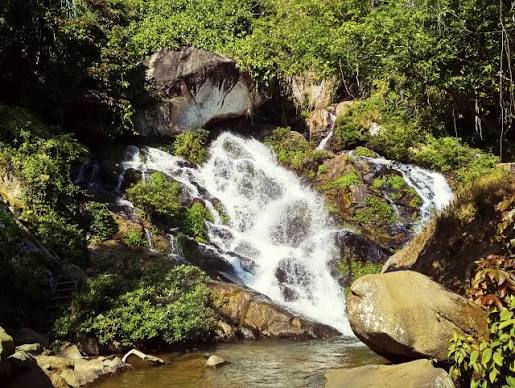
1. Creative Opening: Welcome to Jorhat, Assam
Imagine waking up to endless tea gardens, travelling through quiet green landscapes, discovering centuries-old Ahom history and ending the day beside the mighty Brahmaputra.
That is Jorhat.
Located in Upper Assam, Jorhat is one of Assam's most culturally significant destinations and was the last capital of the Ahom Kingdom. The city also serves as an important gateway to Majuli, one of India's best-known river islands and a major centre of Assamese Vaishnavite culture.
The name Jorhat is associated with two historic markets or hats—Macharhat and Chowkihat, situated on opposite banks of the Bhogdoi River.
Today, Jorhat combines tea, history, spirituality, education, literature and Assamese traditions, making it an excellent destination for travellers looking beyond conventional tourist circuits.
2. History of Jorhat
Jorhat has a deep connection with the Ahom Kingdom, which ruled Assam for several centuries.
In 1794, Ahom King Gaurinath Singha shifted the capital from Rangpur, present-day Sivasagar, to Jorhat. This made Jorhat the last capital of the Ahom Kingdom.
The city later suffered during the Burmese invasions between 1817 and 1824, which caused extensive destruction. British intervention and subsequent administration helped Jorhat emerge again as an important town.
Jorhat also became associated with Assam's resistance against British rule. Figures such as Gomdhar Konwar, Jeuram and Piyali were connected with the region's early resistance movements. Maniram Dewan and Piyali Barua were executed in Jorhat in 1858.
Important Historical Numbers
| Historical Detail | Information |
|---|---|
| Capital shifted to Jorhat | 1794 |
| Burmese invasion period | 1817–1824 |
| British administration established | 1839 |
| Jorhat Police Thana | 1839 |
| Maniram Dewan & Piyali Barua executed | 1858 |
3. Geography of Jorhat
Jorhat lies in Upper Assam and is surrounded by an attractive combination of tea estates, agricultural land, rivers and forested landscapes.
The district is bounded by Majuli to the north, Nagaland to the south, Sivasagar to the east and Golaghat to the west.
The Bhogdoi River is closely connected with the history and identity of Jorhat.
The district is also strategically located for travellers visiting Majuli and Kaziranga National Park.
Jorhat at a Glance
| Feature | Information |
|---|---|
| State | Assam |
| Region | Upper Assam |
| District HQ | Jorhat |
| Area | About 1,758 sq km |
| Population | About 9.25 lakh |
| Literacy | About 82.78% |
| Tea Estates | 135 |
| Revenue Circles | 5 |
| Development Blocks | 6 |
| Border State | Nagaland |
| Airport | Rowriah Airport |
| Major River | Bhogdoi |
The district administration lists 135 tea estates, making tea an important part of Jorhat's landscape and economy.
4. Culture and Traditions of Jorhat
Jorhat is often associated with Assamese literature, music, art, education and traditional culture.
Its cultural importance is strengthened by its relationship with Ahom heritage, Vaishnavite traditions, tea culture and nearby Majuli's Satras.
Traditional Assamese culture can be experienced through:
Bihu celebrations
Assamese folk music and dance
Traditional handloom and textiles
Naamghar traditions
Satra culture
Assamese cuisine
Tea-garden communities
Traditional festivals and religious celebrations
Jorhat's cultural landscape is particularly interesting because it combines urban Assamese life with traditional rural and tea-garden communities.
5. Architecture of Jorhat
Jorhat's architecture reflects different chapters of Assam's history.
You can find:
Ahom-era historical monuments
Traditional Assamese religious structures
Naamghars and Satras
Colonial-era buildings
Historic bungalows
Tea-estate architecture
Memorial structures and maidams
Some of the city's most interesting heritage experiences are connected with Dhekiakhowa Bornamghar, Lachit Borphukan's Maidam and Thengal Bhawan.
6. Famous Places to Visit in Jorhat
6.1 Dhekiakhowa Bornamghar
One of Jorhat's most important religious and cultural landmarks, Dhekiakhowa Bornamghar is associated with saint-reformer Madhavdeva.
The site is particularly known for its long-standing spiritual traditions and the sacred earthen lamp associated with its history.
Best for: Spirituality, culture, heritage and photography.
6.2 Tocklai Tea Research Institute
Jorhat is closely connected with Assam's tea industry, and Tocklai is one of the city's most significant tea-related institutions.
It represents the scientific and research side of Assam's globally recognised tea industry.
Best for: Tea lovers, history and understanding Assam's tea heritage.
6.3 Lachit Borphukan Maidam
The Lachit Borphukan Maidam commemorates one of Assam's most celebrated military leaders.
It is an important stop for travellers interested in Ahom history and Assam's military heritage. The site is among the officially listed places of interest in Jorhat.
6.4 Thengal Bhawan
Thengal Bhawan offers another glimpse into Jorhat's historical and architectural heritage.
Its old-world character makes it an interesting stop for travellers exploring the region beyond conventional tourist attractions.
6.5 Sukapha Samannay Kshetra
This memorial is dedicated to Swargadeo Chaolung Siu-Ka-Pha, regarded as the founder of the Ahom Kingdom.
It provides visitors with an opportunity to understand the historical foundations of Ahom rule in Assam.
6.6 Jorhat Gymkhana Club
Established in 1876, Jorhat Gymkhana Club is one of the city's historic institutions.
Its heritage is closely connected with Assam's colonial-era tea plantation culture and sporting traditions.
6.7 Majuli
Although administratively separate today, Majuli is one of the most important destinations to include in a Jorhat itinerary.
The island is famous for:
Satras
Raas celebrations
Vaishnavite traditions
Mask-making
Traditional culture
River-island landscapes
Assamese rural life
Several important Satras are located in Majuli, including Auniati, Kamalabari, Dakhinpat, Garamur and Samaguri.
6.8 Gibbon Wildlife Sanctuary
Located in the wider Jorhat region, Gibbon Wildlife Sanctuary is particularly known for its primate diversity and forest ecosystem.
It is a good choice for travellers interested in wildlife and nature.
7. Famous Dishes of Jorhat
Food is an important part of experiencing Jorhat.
Traditional Assamese cuisine is generally known for fresh ingredients, subtle flavours, herbs, greens, fish and seasonal produce.
Foods to Try
| Dish/Food | Why Try It |
|---|---|
| Assamese Fish Curry | Light, aromatic and traditionally prepared |
| Bamboo Shoot Dishes | A distinctive Assamese ingredient |
| Dal | Everyday Assamese comfort food |
| Panch Phoron Tarkari | Vegetable dish using five-spice blend |
| Khar | Traditional Assamese preparation |
| Masor Tenga | Tangy fish curry |
| Pitha | Traditional Assamese rice-based sweet/snack |
| Duck Curry | Popular Assamese-style preparation |
Jorhat's tourism material specifically highlights fish stew, dal, panch-phoron-tarkaari and bamboo shoots among local culinary experiences.
8. Famous Personalities Associated with Jorhat
Jorhat has contributed significantly to Assam's intellectual, cultural and historical life.
Some notable personalities associated with Jorhat include:
Maniram Dewan – Tea pioneer and freedom movement figure
Piyali Barua – Revolutionary associated with the 1857 resistance
Krishna Kanta Handique – Scholar and Sanskritist
Jagannath Barooah – Educationist and public figure
Lachit Borphukan – Historic Ahom military commander, commemorated prominently in the region
Jorhat's reputation as a centre of education and culture has continued to influence Assam's literary and intellectual landscape.
9. Festivals of Jorhat
Festivals are central to Assamese life, and Jorhat experiences the state's major celebrations with strong local participation.
Major Festivals
Bohag Bihu:
Celebrated in April, it marks the Assamese New Year and the beginning of the agricultural season.
Magh Bihu:
Associated with harvest celebrations, traditional food and community gatherings.
Kati Bihu:
A quieter agricultural festival connected with prayers for a good harvest.
Me-Dam-Me-Phi:
An important Ahom community festival dedicated to ancestor worship and observed annually on 31 January.
Raas Festival:
Particularly important in nearby Majuli, where Satras organise elaborate cultural performances.
10. Things to Do in Jorhat
A Jorhat trip is not just about sightseeing. It is about experiencing the region.
Top Things to Do
Explore Jorhat's tea gardens
Visit Tocklai Tea Research Institute
Explore Dhekiakhowa Bornamghar
Learn about Ahom history
Visit Lachit Borphukan Maidam
Take a trip to Majuli
Explore traditional Satras
Try authentic Assamese cuisine
Experience local markets and Assamese handicrafts
Visit nearby wildlife destinations
Photograph tea estates and countryside
Experience local festivals when travelling during festival season
Suggested Experience Split
| Experience | Suggested Time |
|---|---|
| Heritage & history | ½ day |
| Tea experience | ½–1 day |
| City exploration | ½ day |
| Majuli | 1 full day |
| Food & local culture | Throughout the trip |
11. Where to Eat, Shop and Stay
Jorhat is one of the better-developed towns in Upper Assam, so travellers can find hotels, restaurants, cafés and local markets.
Where to Eat
Look for:
Assamese thali
Fish preparations
Bamboo shoot dishes
Pitha
Local snacks
Tea and traditional refreshments
Where to Shop
Popular shopping experiences include:
Assamese traditional clothing
Mekhela Chador
Handloom textiles
Gamusa
Bamboo and cane products
Local handicrafts
Tea
Where to Stay
For convenience, travellers can stay around:
Jorhat town
Areas near the railway station
Areas around the main commercial districts
Accommodation suited for trips towards Majuli and nearby attractions
For a first-time visitor, staying in Jorhat town is generally the most practical option because it provides easy access to transport and city facilities.
12. What is Jorhat Famous For?
Jorhat is famous for much more than tea.
Jorhat is especially known for:
🍃 Tea gardens and tea culture
🏛️ Ahom history
🛕 Dhekiakhowa Bornamghar
🌊 Gateway to Majuli
🎭 Assamese culture
📚 Education and intellectual heritage
🏏 Jorhat Gymkhana Club
🌿 Nature and wildlife
🍚 Assamese cuisine
🎨 Traditional arts and crafts
The combination of history, tea, culture and access to Majuli makes Jorhat one of Upper Assam's most interesting travel bases.
13. Best Time to Visit Jorhat
The best time to visit Jorhat is generally October to April.
Season Guide
| Season | Months | Travel Experience |
|---|---|---|
| Winter | Nov–Feb | ⭐⭐⭐⭐⭐ Excellent |
| Spring | Mar–Apr | ⭐⭐⭐⭐⭐ Very good |
| Monsoon | May–Sep | ⭐⭐ Rainy and humid |
| Post-monsoon | Oct | ⭐⭐⭐⭐ Pleasant |
Best Months
October to April is ideal for sightseeing, heritage exploration, tea-country experiences and excursions towards Majuli.
For outdoor activities, travellers should keep Assam's monsoon rainfall in mind.
14. How to Reach Jorhat
By Air
Jorhat Airport, also known as Rowriah Airport, is located within the city and provides convenient air connectivity. The official district administration lists regular connectivity with major cities including Guwahati and Kolkata.
By Train
Jorhat has its own railway station and is connected with other parts of Assam and the wider Indian railway network.
The Furkating–Mariani railway connection is important for the region's rail connectivity.
By Road
Jorhat is approximately 308 km from Guwahati by road, with regular bus services connecting the two cities.
Connectivity at a Glance
| Mode | Main Option |
|---|---|
| ✈️ Air | Rowriah/Jorhat Airport |
| 🚆 Train | Jorhat Railway Station |
| 🚌 Road | Regular buses and road connectivity |
| 🗺️ Guwahati Distance | Approx. 308 km |
15. Nearby Places to Visit from Jorhat
Jorhat is an excellent base for exploring several destinations in Upper Assam.
| Destination | Why Visit |
|---|---|
| Majuli | Satras, culture and river-island life |
| Sivasagar | Ahom monuments and historical sites |
| Kaziranga National Park | Wildlife and one-horned rhinoceros |
| Gibbon Wildlife Sanctuary | Forest and primate diversity |
| Golaghat | Tea landscapes and access to Kaziranga |
| Mariani | Gateway to nearby natural attractions |
| Titabor | Tea gardens and rural Assam |
Recommended Combination
Jorhat + Majuli + Sivasagar + Kaziranga
This combination gives travellers a strong introduction to Assam's history, culture, tea, wildlife and river landscapes.
16. How Many Days Are Enough for Jorhat?
For Jorhat itself, 2–3 days is a comfortable duration.
2-Day Plan
Day 1
Jorhat city
Dhekiakhowa Bornamghar
Tea experience
Tocklai area
Local food
Day 2
Majuli day trip
Satra visit
Local culture
Return to Jorhat
3-Day Plan
Day 1: Jorhat heritage + city
Day 2: Majuli
Day 3: Tea gardens + nearby attractions
For travellers combining Jorhat with Kaziranga and Sivasagar, extending the trip to 4–5 days is more comfortable.
17. Travel Tips for Jorhat
Before You Go
Carry comfortable footwear for sightseeing.
Keep an umbrella or rain protection during wetter months.
Start early for day trips.
Keep some cash for smaller local establishments.
Respect religious customs when visiting Satras and Naamghars.
Dress modestly at religious sites.
Try local Assamese food rather than limiting yourself to familiar dishes.
Confirm ferry schedules before travelling to Majuli.
Keep extra travel time for rural roads and weather-related delays.
Avoid rushing through Majuli; the cultural experience is more rewarding at a slower pace.
Responsible Travel
Avoid littering around tea gardens and natural areas.
Respect local communities and religious spaces.
Do not disturb wildlife.
Support local artisans and small businesses.
Follow photography rules at religious and heritage sites.
18. Why Visit Jorhat?
Jorhat is ideal for travellers who want a destination with history, culture and nature in one place.
7 Reasons to Visit Jorhat
1. Ahom History
Discover the history of one of Northeast India's most significant kingdoms.
2. Tea Culture
Experience the landscape and heritage of Assam's world-famous tea industry.
3. Gateway to Majuli
Use Jorhat as your base for exploring Majuli's Satras and cultural traditions.
4. Authentic Assamese Culture
Experience food, festivals, handloom and everyday Assamese life.
5. Heritage Attractions
Explore Bornamghars, maidams, historic buildings and memorials.
6. Nature & Wildlife
Combine your Jorhat trip with nearby forests and wildlife destinations.
7. Excellent Travel Base
Its air, rail and road connectivity make it a convenient starting point for exploring Upper Assam.
19. Conclusion
Jorhat is where Assam's history, tea culture and living traditions come together.
From being the last capital of the Ahom Kingdom to becoming one of Upper Assam's important cultural and educational centres, Jorhat has a story that goes far beyond sightseeing.
Spend time exploring its heritage, taste authentic Assamese food, walk through tea-country landscapes and make time for a journey to Majuli.
If you want to understand a more traditional and cultural side of Assam, Jorhat deserves a place on your travel itinerary.
Quick Jorhat Travel Snapshot
| Category | Details |
|---|---|
| Destination | Jorhat, Assam |
| Region | Upper Assam |
| Known For | Tea, Ahom history, culture & Majuli |
| Historical Importance | Last capital of Ahom Kingdom |
| Best Time | October–April |
| Ideal Duration | 2–3 days |
| Airport | Rowriah/Jorhat Airport |
| Railway | Jorhat Railway Station |
| Major Nearby Destination | Majuli |
| Tea Estates | 135 |
| Distance from Guwahati | Approx. 308 km |
| Best For | History, culture, tea, food, nature |
City Tags
Jorhat, Jorhat Assam, Jorhat Tourism, Jorhat Travel Guide, Places to Visit in Jorhat, Jorhat Tourist Places, Things to Do in Jorhat, Jorhat Travel, Assam Tourism, Assam Travel, Upper Assam, Majuli, Jorhat Tea Gardens, Ahom Kingdom, Assamese Culture, Assam Heritage, Northeast India Travel, Assam Tourist Places
Suggested Blog Tags
Jorhat · Assam · Jorhat Tourism · Assam Tourism · Travel Assam · Northeast India · Majuli · Ahom History · Tea Gardens · Assam Culture · Jorhat Travel Guide
"Travel is the only thing you buy that makes you richer."