Chirang, Assam: Where Rivers, Forests and Bhutan Meet
Chirang, Assam, is a beautiful destination in the western part of the state where rivers, foothills, forests and diverse cultures come together. With Kajalgaon as its district headquarters, Chirang offers travellers a quieter side of Assam away from the busy tourist circuits.
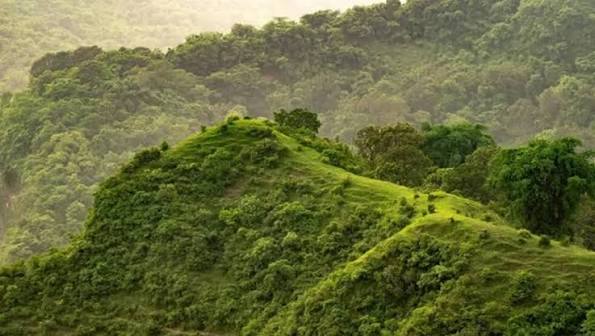
The district stretches from the plains of the lower Brahmaputra valley towards the foothills of Bhutan. Its landscape is shaped by rivers such as the Aie, Manas and Champamati, while its northern areas offer scenic views of the Bhutan foothills.
From the peaceful waters of Mwnabili Picnic Spot and the distinctive black soil of Kalamati to the cultural atmosphere of the Dwijing Festival and the India-Bhutan border near Gelephu, Chirang offers a combination of nature, culture and cross-border geography.
If you are looking for an offbeat destination in Assam where eco-tourism, rivers, local traditions and Himalayan foothills come together, Chirang is worth exploring.
History of Chirang
The name Chirang is derived from a Garo word in which "chi" means water and "rang" means wealth. The name reflects the close relationship between the region and its many rivers and streams.
Chirang was created as one of the districts under the Bodoland Territorial Area Districts through a notification dated 30 October 2003. The district officially started functioning on 4 June 2004, with Kajalgaon as its headquarters.
The district was carved out of parts of the former Kokrajhar, Bongaigaon and Barpeta districts.
Chirang and the Bodoland Region
Chirang forms part of the Bodoland Territorial Region and has a culturally diverse population. The region's history is closely connected with the social, cultural and political development of western Assam.
Today, Chirang is known not only for its administrative importance but also for its natural landscapes, indigenous traditions, agriculture and growing eco-tourism potential.
Geography of Chirang
Chirang is located in the north-western part of Assam. The district shares an international boundary with Bhutan to the north, while Bongaigaon lies towards the south, Kokrajhar towards the west and Baksa towards the east.
The district has predominantly plain terrain, with undulating landscapes towards the north. The northern part rises towards the foothills of Bhutan, creating a gradual transition from the Brahmaputra valley plains to the foothill region.
Chirang falls within the Lower Brahmaputra Valley agro-climatic zone and has a subtropical climate.
| Geographical Feature | Importance |
|---|---|
| Bhutan Border | Creates a distinctive international-border landscape |
| Aie River | Important river and venue for Dwijing Festival |
| Manas River | Major river flowing through the district |
| Champamati River | Important regional river system |
| Bhutan Foothills | Scenic northern landscape and eco-tourism potential |
The district administration identifies Champamati, Aie and Manas as major rivers flowing through Chirang before joining the Brahmaputra system.
Culture and Traditions of Chirang
Chirang is one of the culturally diverse parts of western Assam. Its identity has been shaped by Bodo and other indigenous communities, Assamese traditions and the wider cultural influences of the Bodoland region.
Music, dance, traditional clothing, community celebrations and local festivals play an important role in everyday cultural life.
Bodo Cultural Heritage
The cultural traditions of the Bodo community are an important part of Chirang's identity. Traditional music and dance are performed during community celebrations, festivals and cultural programmes.
Bwisagu
Bwisagu is one of the most important traditional festivals associated with the Bodo community. It marks the arrival of spring and the beginning of the traditional Bodo New Year.
The festival is celebrated with music, dance, traditional food and community gatherings.
Bagurumba
Bagurumba is a famous traditional dance of the Bodo community. Known for its graceful movements and colourful traditional attire, the dance is often performed during Bwisagu celebrations.
Traditional Handloom
Traditional weaving remains an important part of Assamese and Bodo culture. Handwoven textiles, traditional garments and locally produced fabrics reflect the craftsmanship and cultural identity of communities in the region.
Architecture of Chirang
Chirang does not have the concentration of monumental architecture found in some of India's major heritage cities. Instead, its architectural character can be experienced through satras, temples, traditional structures, cultural spaces and border infrastructure.
Bijni Satra
Bijni Satra is one of the religious and cultural attractions listed by the Chirang district administration. Satras are an important part of Assam's Vaishnavite cultural tradition.
The site offers visitors an opportunity to experience the region's spiritual and cultural heritage.
Kali Mandir
Kali Mandir is another religious attraction listed among Chirang's places of interest. It represents the continuing importance of temple traditions within the district.
India-Bhutan Border Infrastructure
The Gelephu India-Bhutan border crossing offers a different architectural experience. The border infrastructure represents Chirang's geographical position between Assam and Bhutan and its importance for cross-border trade and movement.
Famous Places to Visit in Chirang
Kalamati
Kalamati is one of Chirang's most unusual natural attractions. The name refers to its distinctive black, salty soil.
The site is approachable from Chapaguri via NH 31C and is around 25 kilometres towards the north. Its unusual landscape makes it an interesting stop for visitors exploring the northern part of the district.
Mwnabili Picnic Spot & Eco-Tourism
Mwnabili Picnic Spot and Eco-Tourism is located at Sadu Mara of Malivita near the Bhutan border.
The area is known for its clear, cold river water and natural surroundings. It is especially popular as a picnic destination during winter.
For travellers looking for a relaxed day surrounded by greenery and flowing water, Mwnabili is one of the more appealing eco-tourism spots in Chirang.
Panbari Range
Panbari Range is one of the approaches towards Manas National Park. Its forested landscape makes it an important area for nature enthusiasts and travellers interested in the region's biodiversity.
The area provides a natural transition between Chirang's plains and the forested landscapes towards the Himalayan foothills.
Aie River
The Aie River flows through Chirang and is one of the district's most important natural features.
The river is also associated with the annual Dwijing Festival, which takes place near the Hagrama Bridge. The festival combines the river landscape with music, culture, food and entertainment.
Dwijing Festival
Dwijing Festival is one of Chirang's most prominent cultural and tourism events. It is held on the banks of the Aie River, around 5 kilometres from Chapaguri on NH 31C.
The festival brings together music, dance, cultural performances, local food, adventure activities and community celebrations.
It has helped establish the Aie River area as a recognisable cultural tourism destination in western Assam.
Bijni Satra
Bijni Satra is a place of religious and cultural interest in the district. Visitors interested in Assam's Vaishnavite traditions can include it in a cultural itinerary.
Kali Mandir
Kali Mandir is a local religious destination listed by the Chirang district administration. It can be included alongside other cultural and temple attractions.
Gelephu India-Bhutan Border
The Gelephu India-Bhutan border is one of Chirang's most distinctive attractions. The crossing is approximately 41 kilometres from Kajalgaon and is used for trade and business between India and Bhutan.
The border area also attracts visitors who want to experience the atmosphere of an international frontier and enjoy the surrounding foothill landscape.
The district administration identifies October to April as the best season for visiting this area.
Famous Dishes to Try in Chirang
Food in Chirang reflects the culinary traditions of Assam and the Bodo community. Local cuisine is generally simple, seasonal and closely connected with rice, vegetables, herbs, fish and locally available ingredients.
Oma Bedor
Oma Bedor is a traditional Bodo-style pork preparation. Pork is an important ingredient in many Bodo households and traditional meals.
Narzi
Narzi is a traditional Bodo preparation made using dried jute leaves. It is usually prepared as a simple vegetable dish and reflects the region's use of locally available ingredients.
Onla
Onla is a traditional Bodo rice-flour-based preparation. It is commonly prepared with vegetables or meat and represents an important part of Bodo cuisine.
Masor Tenga
Masor Tenga is one of Assam's best-known fish preparations. Its light, tangy flavour makes it a popular choice for travellers interested in Assamese cuisine.
Khar
Khar is a traditional Assamese preparation made using an alkaline ingredient and often served as part of a traditional meal.
Rice-Based Meals
Rice is central to the food culture of Chirang. Traditional meals often combine rice with vegetables, fish, meat, herbs and locally prepared accompaniments.
Famous Personalities Connected with Chirang
Kalaguru Bishnu Prasad Rabha
Kalaguru Bishnu Prasad Rabha is one of Assam's most influential cultural figures. Although his connection extends across Assam rather than being limited to Chirang, his cultural legacy is celebrated in the district.
The Chirang district administration has also organised cultural programmes commemorating his life and contribution to Assamese culture.
Sarbeswar Basumatary
Padma Shri awardee Sarbeswar Basumatary has been associated with the cultural life of the region and was among the notable personalities recognised during Chirang District Day celebrations.
Local Cultural Artists
Chirang's cultural identity is also sustained by its local singers, dancers, musicians, weavers and folk artists. Their work keeps Bodo and regional traditions alive through festivals and community events.
Festivals Celebrated in Chirang
Bwisagu
Bwisagu is one of the most important festivals associated with the Bodo community. It celebrates the arrival of spring and the traditional New Year.
Dwijing Festival
Dwijing Festival is Chirang's major tourism-oriented cultural festival. Held beside the Aie River, it combines local culture with music, entertainment and outdoor activities.
Bohag Bihu
Bohag Bihu is widely celebrated across Assam and marks the beginning of the Assamese New Year and the agricultural cycle.
Durga Puja
Durga Puja is celebrated across the region with religious ceremonies, decorations and community gatherings.
Diwali
Diwali is celebrated by communities across Chirang with lights, prayers and family gatherings.
District Day
Chirang District Day is observed on 30 October, commemorating the creation of the district. Recent celebrations have included cultural programmes featuring music, dance and Nagara Naam.
Things to Do in Chirang
- Visit Mwnabili Eco-Tourism for its clear river water and peaceful natural setting.
- Explore Kalamati and see its distinctive black, salty soil.
- Visit the Aie River and enjoy the riverside landscape.
- Attend Dwijing Festival if your trip coincides with the annual event.
- Explore Panbari Range and its forested surroundings.
- Visit Bijni Satra to experience Assam's religious and cultural heritage.
- Visit Kali Mandir and explore local temple traditions.
- Take a trip towards Gelephu border and experience the India-Bhutan frontier.
- Try traditional Bodo and Assamese cuisine at local eateries.
- Explore local markets for handloom products and regional goods.
- Enjoy a winter picnic at one of the district's riverside destinations.
- Explore the foothills for photography and nature experiences.
Where to Eat, Shop and Stay in Chirang
Where to Eat
Kajalgaon, Bijni and other larger settlements provide the easiest access to local restaurants and eateries.
Travellers should look for opportunities to try traditional Assamese and Bodo food, particularly rice-based meals, fish preparations, seasonal vegetables and locally prepared meat dishes.
Where to Shop
Local markets are the best places to experience everyday life in Chirang. Visitors can look for traditional textiles, handloom products, bamboo and cane products, local food items and agricultural produce.
Handwoven products are particularly interesting for travellers looking to take home something connected to the region's cultural traditions.
Where to Stay
Kajalgaon and Bijni are the most practical bases for exploring Chirang. Accommodation options may include budget hotels, guest houses and smaller local properties.
For eco-tourism destinations such as Mwnabili, visitors should plan accommodation and transportation in advance rather than assuming that full hotel facilities will be available at the destination itself.
| Stay Type | Best For |
|---|---|
| Budget Hotel | Short stays in Kajalgaon or Bijni |
| Guest House | Budget-conscious travellers |
| Local Accommodation | Longer cultural or rural trips |
| Eco-Tourism Stay | Nature-focused travellers where available |
What is Chirang Famous For?
Chirang is famous for its rivers, Bhutan foothills, Bodo culture, eco-tourism destinations and the Dwijing Festival.
- Aie River
- Dwijing Festival
- Mwnabili Eco-Tourism
- Kalamati's black soil
- Panbari Range
- Gelephu India-Bhutan border
- Bijni Satra
- Kali Mandir
- Bodo culture and traditions
- Scenic Bhutan foothills
Best Time to Visit Chirang
The best time to visit Chirang is generally from October to April, particularly if your itinerary includes the Bhutan border, riverside attractions and outdoor sightseeing.
Winter is especially pleasant for visiting Mwnabili Picnic Spot and Eco-Tourism, which the district administration notes is mainly visited during the winter season.
The Gelephu border area is also officially identified as being best visited between October and April.
| Season | Months | Travel Experience |
|---|---|---|
| Winter | October–February | Best for outdoor sightseeing and picnics |
| Spring | March–April | Good for nature and cultural exploration |
| Summer | May–June | Warm; early morning sightseeing is preferable |
| Monsoon | June–September | Green landscapes but potentially heavy and unpredictable rainfall |
Best overall choice: October to April offers the most convenient combination of comfortable weather, outdoor sightseeing and access to the district's major attractions.
How to Reach Chirang
By Air
The nearest major airport is Lokpriya Gopinath Bordoloi International Airport in Guwahati.
From Guwahati, travellers can continue towards Chirang by road or rail connections through western Assam.
By Train
Chirang district has railway stations at Bijni and Basugaon, where local and express trains stop.
New Bongaigaon Railway Station in neighbouring Bongaigaon district is also a useful railhead and is approximately 12 kilometres from Kajalgaon according to the district's disaster-management information.
By Road
Road travel is one of the most convenient ways to explore Chirang. National Highway 27 passes through Kajalgaon, while Chapaguri is an important transport point.
The district administration lists the approximate distance from Kajalgaon to Guwahati at 172 km and to Cooch Behar at 134 km.
| Mode | Recommended Access |
|---|---|
| Air | Guwahati International Airport |
| Train | Bijni or Basugaon Railway Station |
| Road | NH 27 / NH 31C via Chapaguri |
Nearby Places to Visit from Chirang
Manas National Park
Manas National Park is one of the most important protected areas in Assam and is accessible through routes connected with the northern parts of the region. Panbari Range in Chirang is identified by the district administration as one of the approaches towards Manas.
Wildlife enthusiasts can combine a Chirang trip with a planned visit to the wider Manas landscape.
Gelephu, Bhutan
Gelephu lies across the India-Bhutan border and is one of the most distinctive destinations accessible from Chirang.
The border crossing is approximately 41 kilometres from Kajalgaon and provides a gateway towards southern Bhutan.
Bongaigaon
Bongaigaon lies south of Chirang and is an important nearby urban and transport centre. Travellers can use Bongaigaon as a connecting point for rail and road journeys.
Kokrajhar
Kokrajhar lies to the west of Chirang and is another important centre in the Bodoland region. It can be combined with Chirang for a broader western Assam itinerary.
Baksa
Baksa lies towards the east of Chirang and offers another opportunity to explore the landscapes and cultural destinations of the Bodoland region.
Best Duration for a Trip to Chirang
2 days are enough for a quick Chirang experience covering Kajalgaon, Aie River and one or two nearby attractions.
A 3-day itinerary is better if you want to explore Mwnabili, Kalamati, Panbari and the Gelephu border area without rushing.
| Duration | Suggested Plan |
|---|---|
| 1 Day | Kajalgaon + Aie River + local sightseeing |
| 2 Days | Kajalgaon + Aie River + Mwnabili + Bijni Satra |
| 3 Days | Chirang + Kalamati + Mwnabili + Panbari + Gelephu |
| 4 Days | Chirang + Gelephu + Manas region + nearby Bodoland destinations |
Travel Tips for Chirang
- Plan around the weather: Monsoon rainfall can be unpredictable.
- Visit riverside attractions carefully: River conditions can change during and after heavy rain.
- Carry comfortable footwear: Useful for nature walks and outdoor attractions.
- Carry mosquito protection: It is useful when spending time near forests and water bodies.
- Carry drinking water: Especially when travelling towards remote eco-tourism destinations.
- Carry some cash: Smaller rural establishments may have limited digital-payment facilities.
- Respect local culture: Ask permission before photographing people or cultural events.
- Keep rivers and forests clean: Avoid plastic and litter at natural attractions.
- Check border requirements: Conditions and access rules can change around international border areas.
- Plan remote attractions in advance: Public transport can be less frequent outside major settlements.
- Book accommodation early during festivals: Events such as Dwijing can increase visitor numbers.
- Respect wildlife rules: Follow all regulations when travelling towards Manas and forest areas.
Why Visit Chirang?
Chirang is worth visiting because it offers an authentic combination of Assam's rivers, Bodo culture, forest landscapes and Bhutan-border geography.
Unlike destinations built around a single famous monument, Chirang is about experiencing a landscape and culture. You can spend the morning beside a clear river at Mwnabili, explore the unusual black soil of Kalamati, experience local traditions and then travel towards the Bhutan foothills.
The Aie River and Dwijing Festival provide the district with a strong cultural-tourism identity, while Panbari offers a connection to the forest landscapes around Manas.
For travellers who prefer offbeat destinations, eco-tourism, rivers, cultural experiences and road trips, Chirang provides an interesting alternative to Assam's more heavily visited tourist destinations.
Conclusion
Chirang, Assam, is a destination where water, culture and the Bhutan foothills come together. From the Aie River and the lively Dwijing Festival to the peaceful Mwnabili eco-tourism site and the distinctive landscape of Kalamati, the district offers several experiences for travellers willing to explore beyond the usual tourist circuit.
The district's location also gives it a unique advantage. The Gelephu India-Bhutan border adds an international dimension, while Panbari provides a connection to the forest landscapes approaching Manas National Park.
With 2 to 3 days, visitors can experience the major attractions around Chirang, while a longer trip can combine the district with Manas, Bongaigaon, Kokrajhar and Bhutan-border destinations.
If you are looking for an offbeat Assam destination filled with rivers, foothills, indigenous culture and eco-tourism experiences, Chirang deserves a place on your travel itinerary.
"Travel is the only thing you buy that makes you richer."