Explore Assam
Discover Assam
Cities of Assam
Baksa
Barpeta
Bishwanath
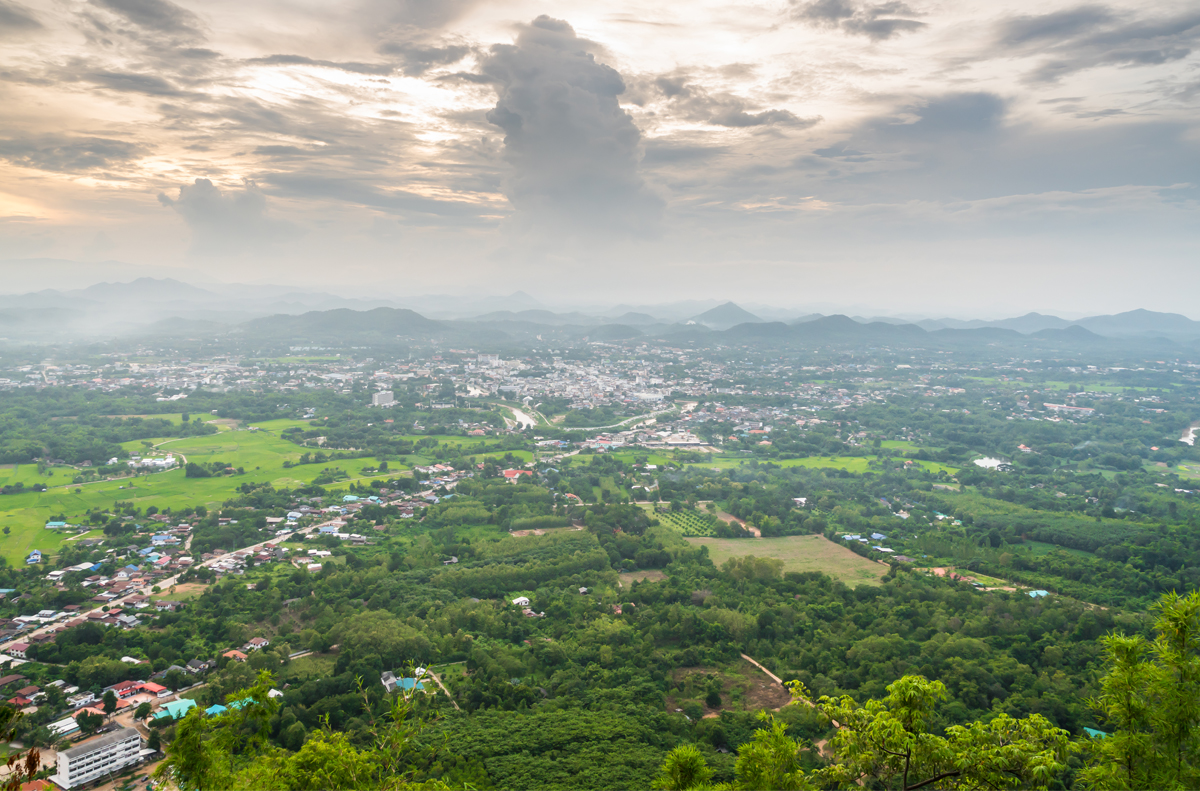
Bongaigaon
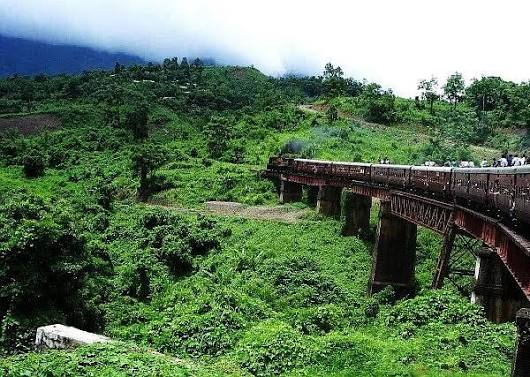
Cachar
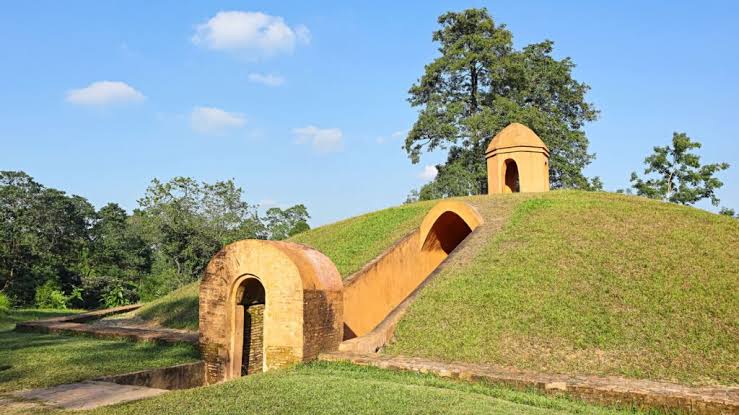
Charaideo
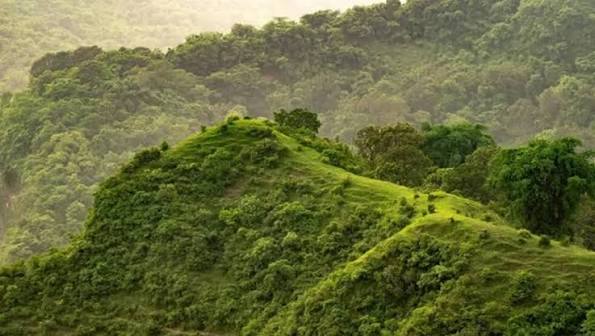
Chirang
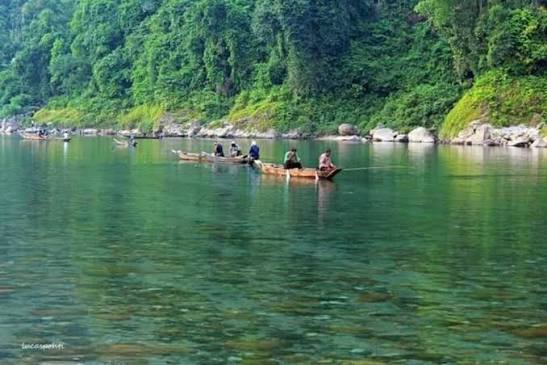
Darrang
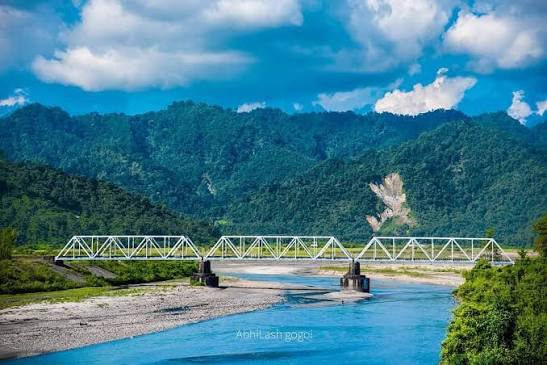
Dhemaji
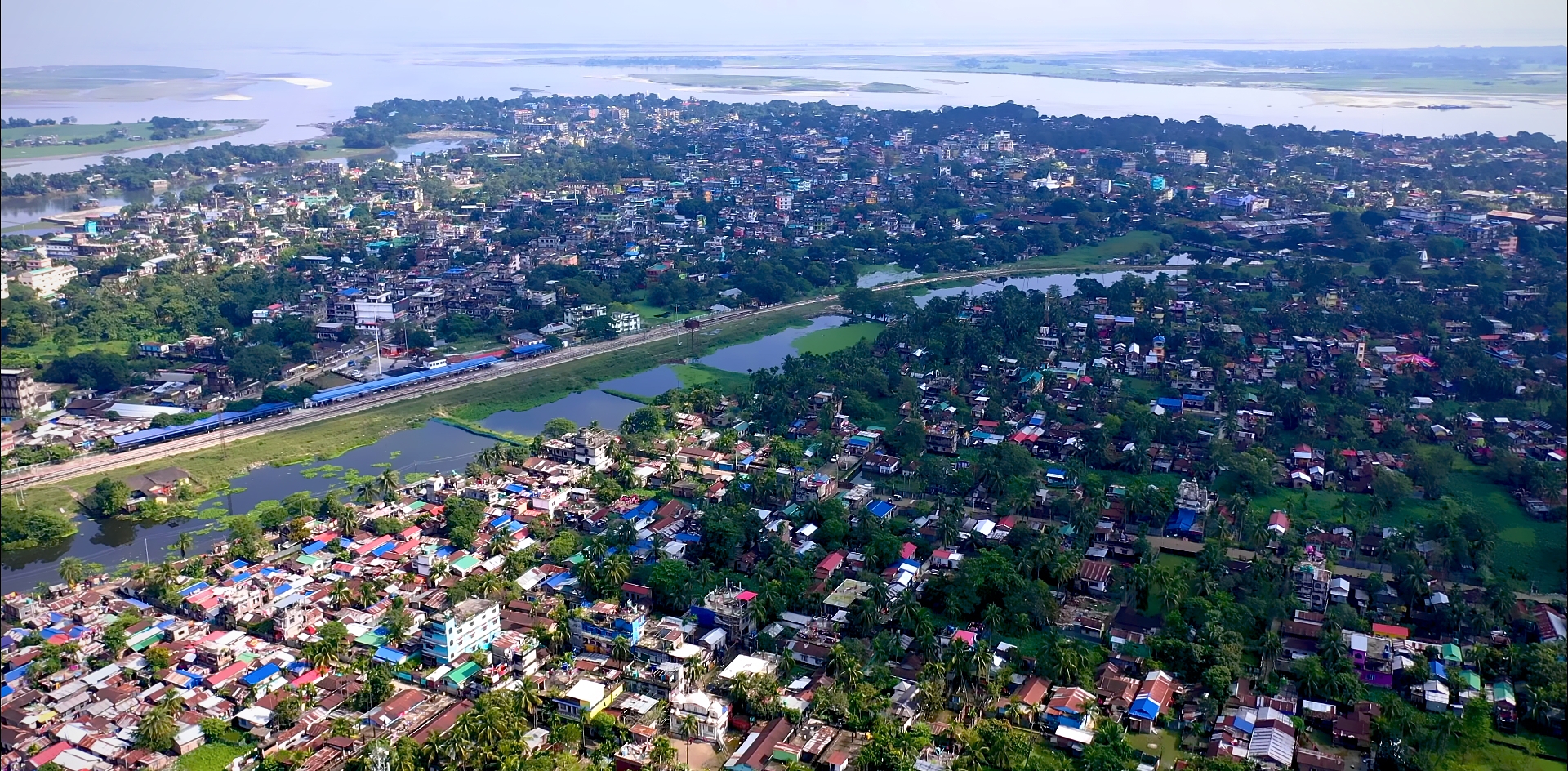
Dhubri
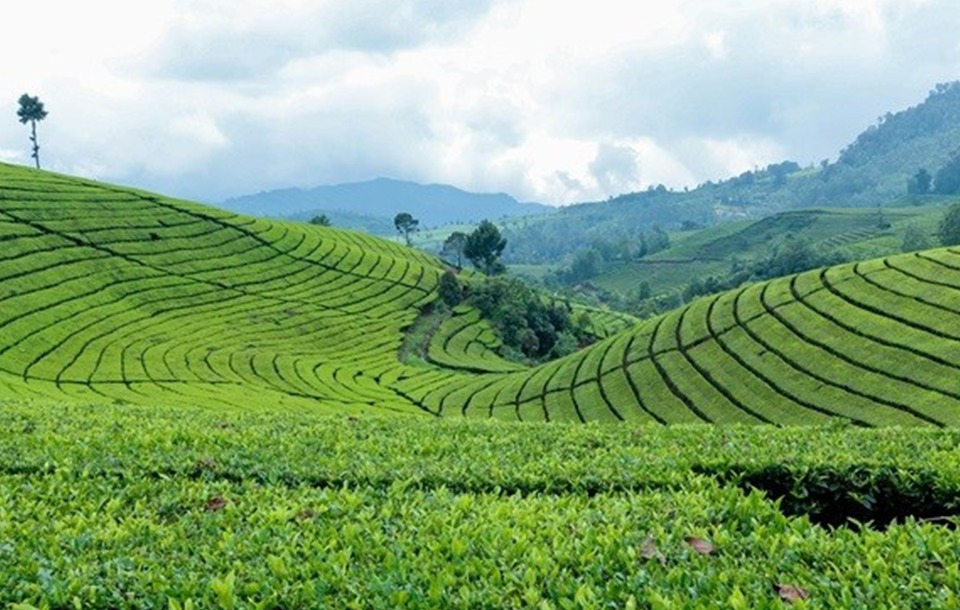
Dibrugarh
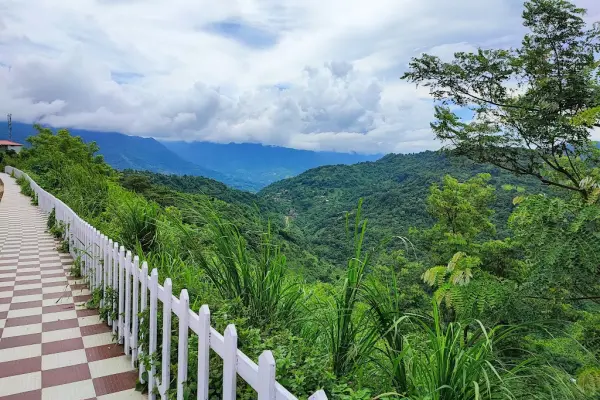
Dima Hasao
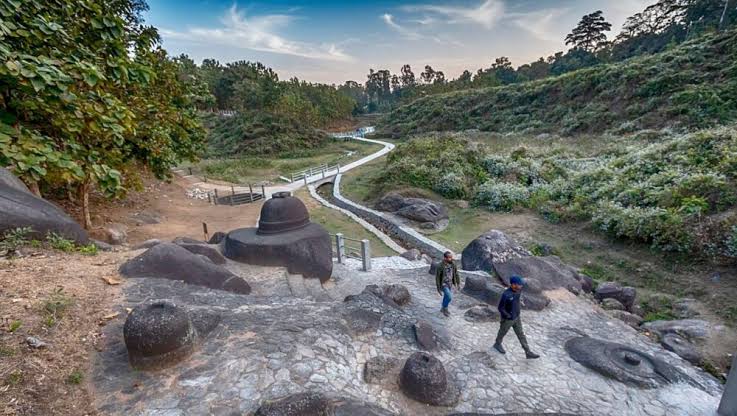
Goalpara
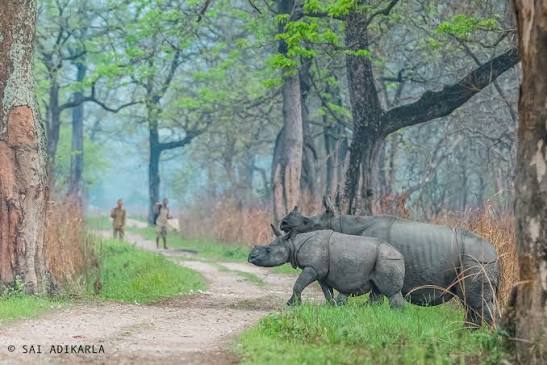
Golaghat
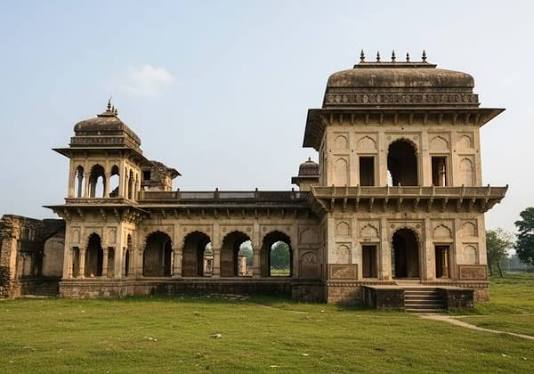
Hailakandi
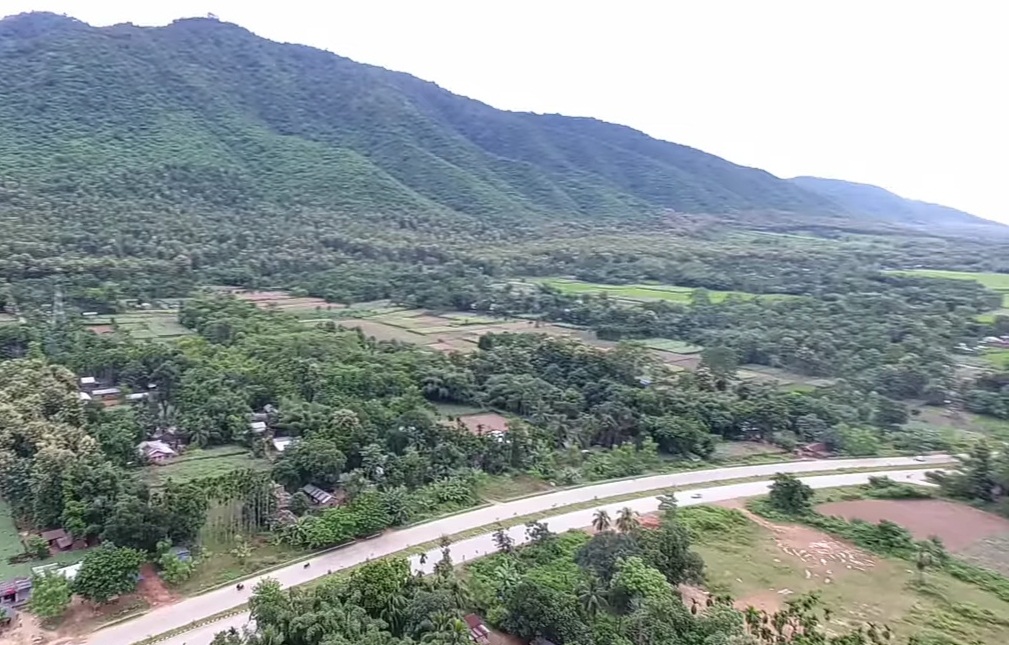
Hojai
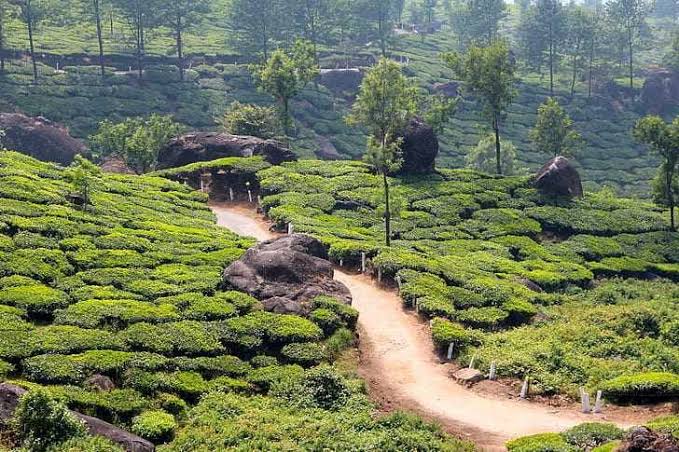
Jorhat
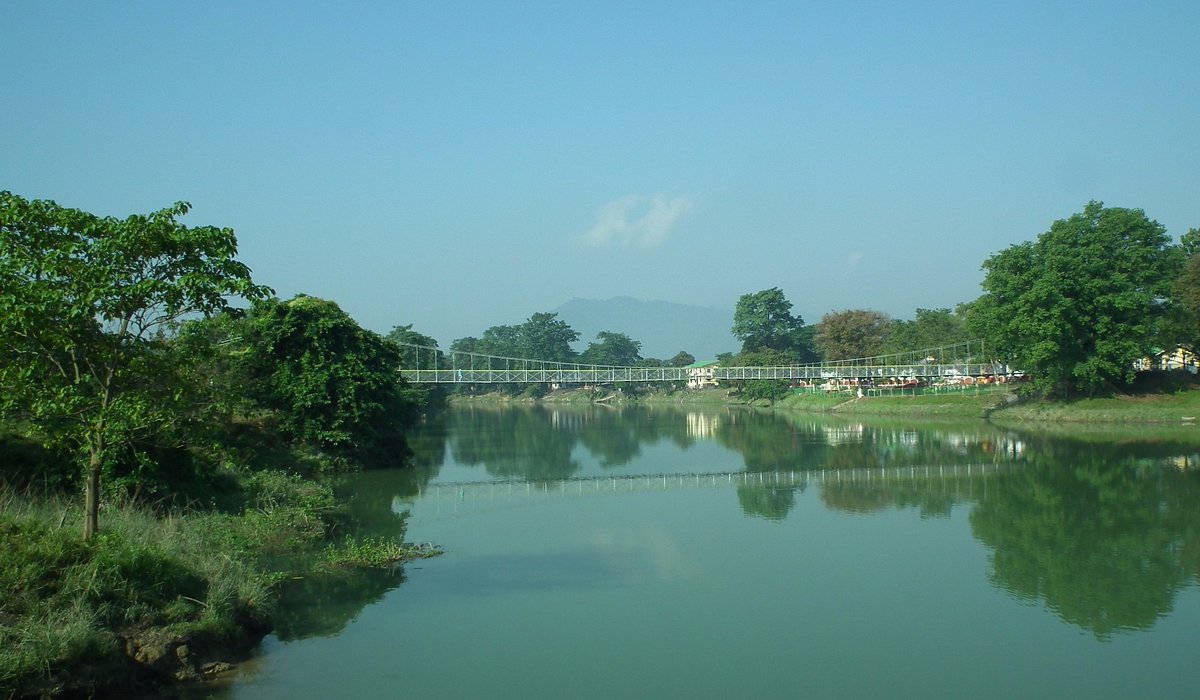
Kamrup
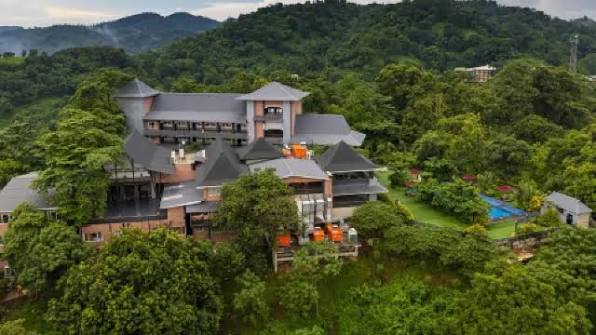
Kamrup Metropolitan
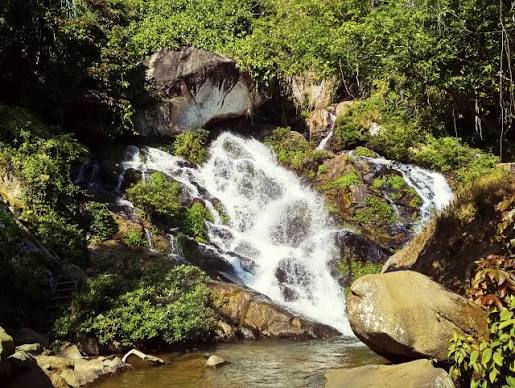
Karbi Anglong
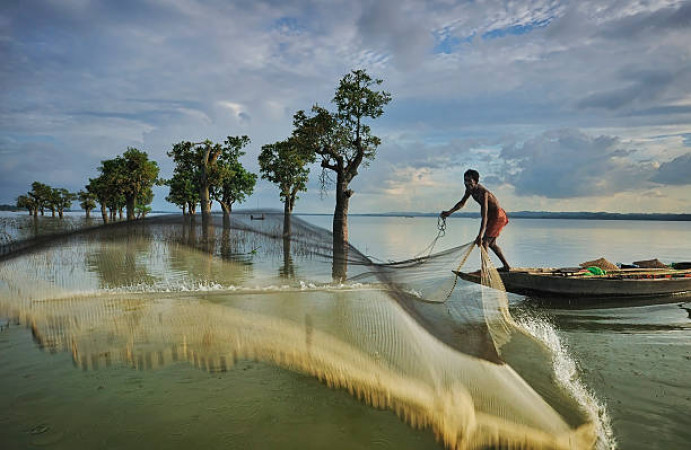
Karimganj
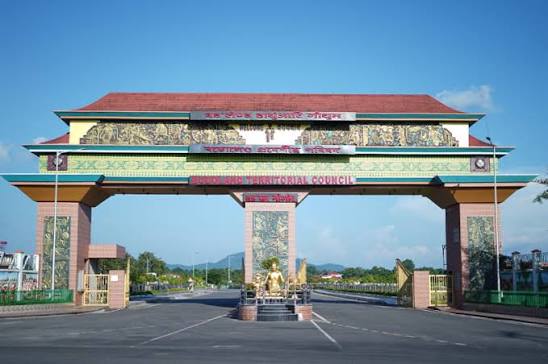
Kokrajhar
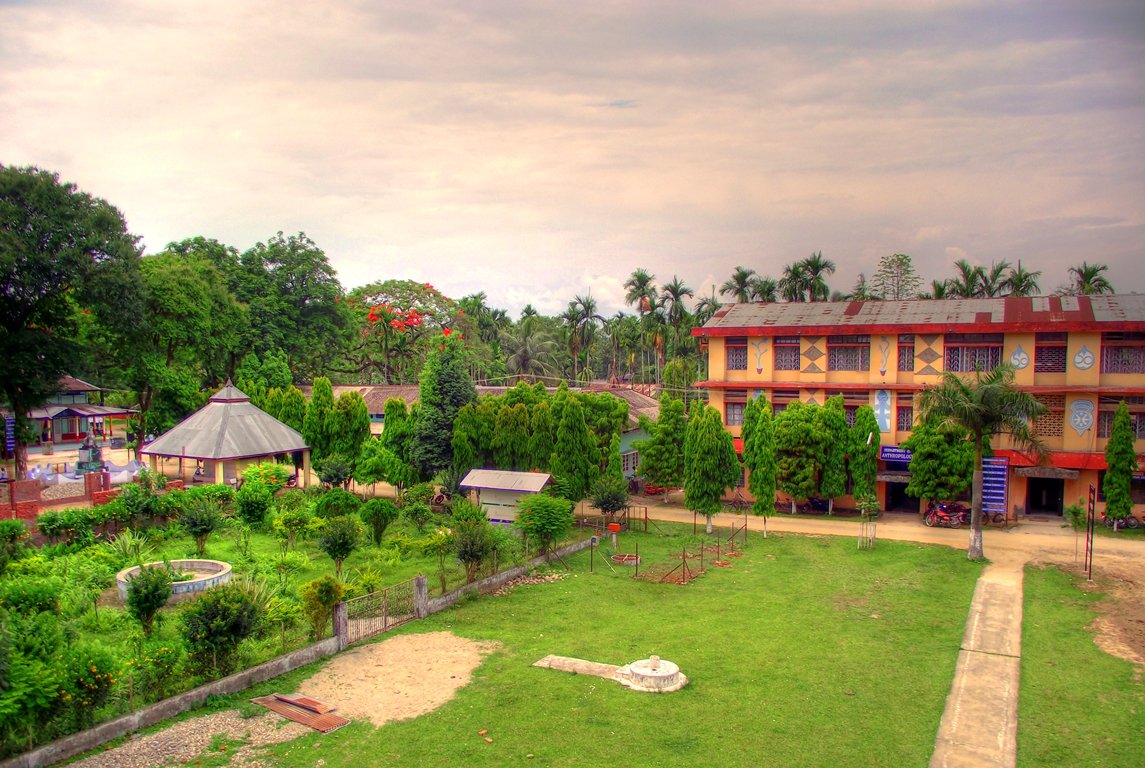
Lakhimpur
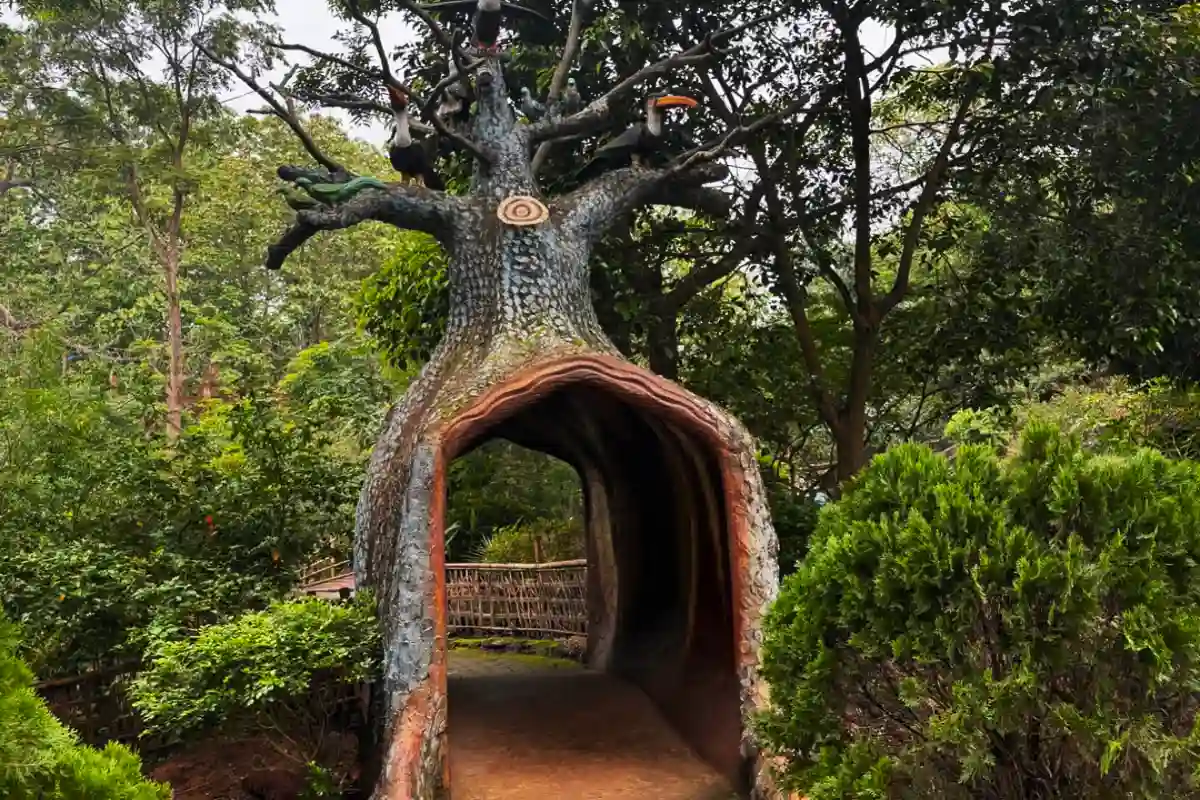
Morigaon
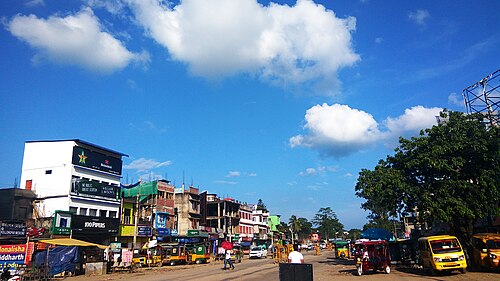
Nagaon
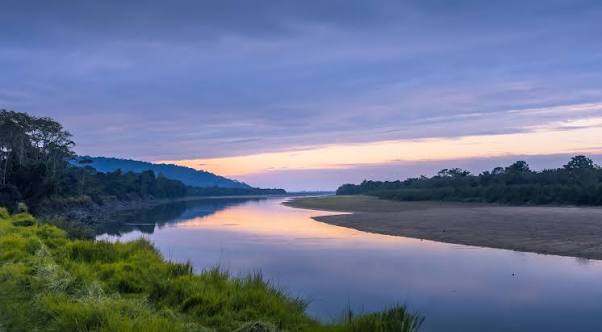
Nalbari
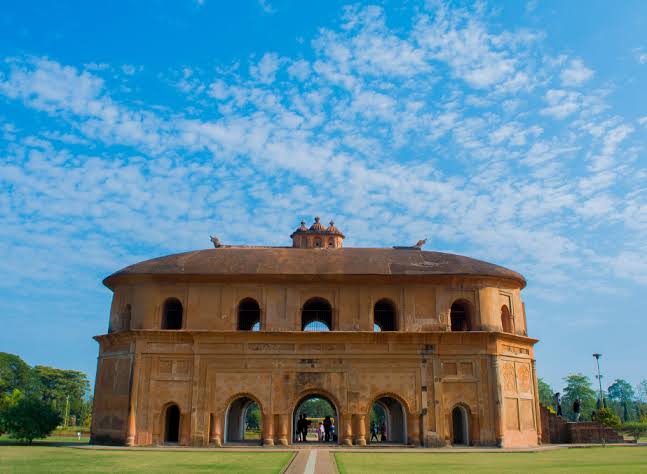
Sivasagar
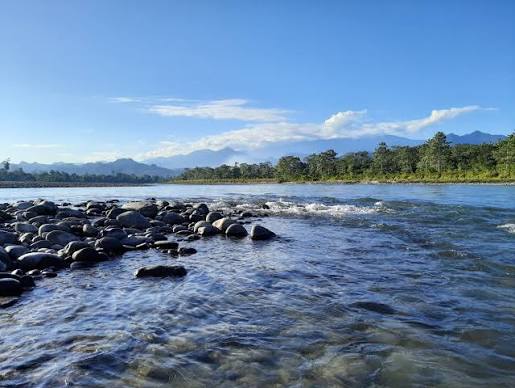
Sonitpur
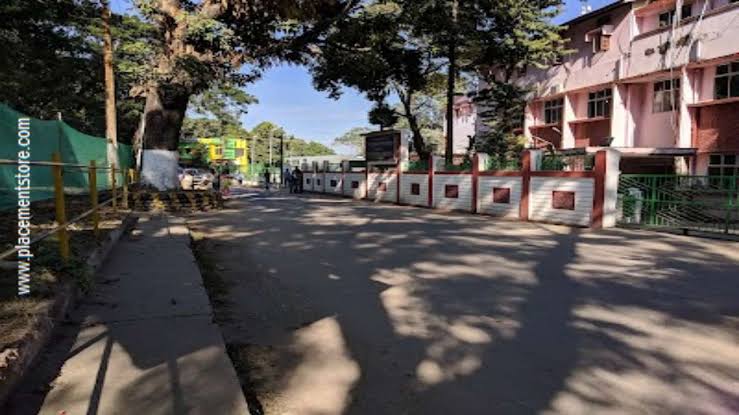
South Salmara-Mankachar
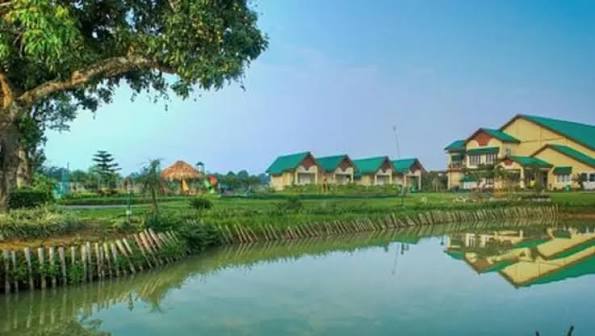
Tinsukia
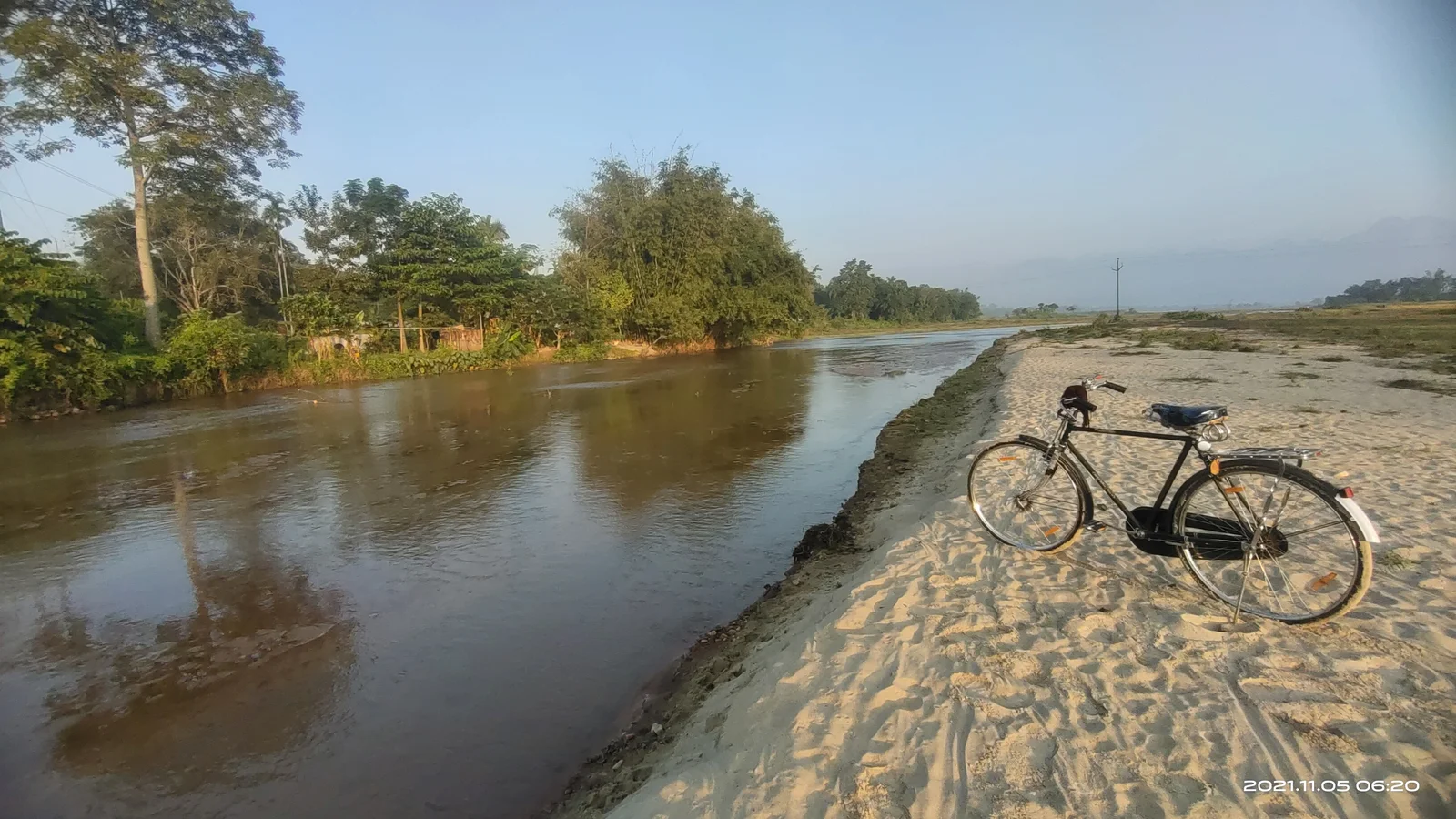
Udalguri
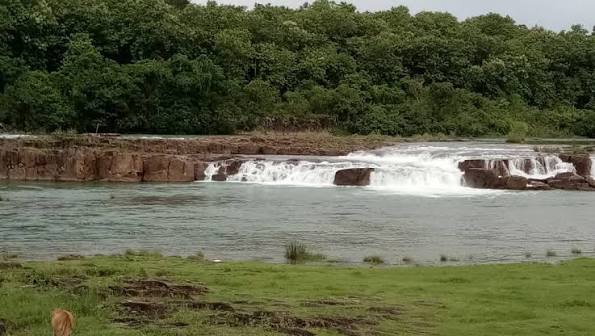
West Karbi Anglong
Assam: The Land of the Red River and Blue Hills
Assam is one of the most diverse and scenic states in Northeast India, known for the mighty Brahmaputra River, lush tea gardens, wildlife-rich forests, river islands, historic monuments, spiritual traditions and vibrant Assamese culture. Guwahati serves as the largest urban centre and an important gateway to Northeast India.
From the world-famous wildlife of Kaziranga and Manas to the Vaishnavite traditions of Majuli, the historic monuments of Sivasagar, the tea gardens of Upper Assam and the spiritual significance of Kamakhya Temple, Assam offers a wide range of experiences for travellers.
The state is also recognised for its biodiversity, ethnic diversity, traditional crafts, festivals, river tourism, adventure activities and distinctive cuisine. Assam Tourism promotes nature, wildlife, cultural, spiritual, heritage, tea and adventure tourism across the state.
History of Assam
Assam has a long and diverse history shaped by ancient kingdoms, indigenous communities, migration, trade, religious movements and cultural exchanges. The region has historically been associated with the ancient kingdom of Pragjyotisha and later Kamarupa.
The Ahom dynasty played a particularly important role in the history of Assam. The Ahoms established their kingdom in the Brahmaputra Valley in the thirteenth century and ruled large parts of the region for several centuries. Sivasagar remains an important centre of Ahom heritage, with monuments such as Rang Ghar, Talatal Ghar, Kareng Ghar and Sivadol.
Assam also became an important centre of the Neo-Vaishnavite movement associated with Srimanta Sankardeva. Satras and naamghars became important institutions for Assamese religious, artistic and cultural traditions.
During the colonial period, Assam became an important tea-producing region and developed connections with wider commercial networks. The discovery and development of tea plantations transformed the economy and landscape of the region.
After India's independence, Assam became an important gateway and cultural centre of Northeast India. The modern state continues to preserve its historical heritage while developing tourism around its natural, cultural and ecological resources.
Geography of Assam
Assam is located in Northeast India and forms an important gateway to the wider northeastern region. The state is characterised by the Brahmaputra and Barak river valleys, surrounding hills, forests, wetlands and extensive agricultural landscapes.
| Geographical Feature | Details |
|---|---|
| Capital | Dispur |
| Largest Urban Centre | Guwahati |
| Geographical Area | Approximately 78,438 sq. km. |
| Districts | 35 districts |
| Major Rivers | Brahmaputra and Barak |
| Major Landscape | River valleys, hills, forests, wetlands, plains and tea-growing areas |
| Neighbouring States | Arunachal Pradesh, Nagaland, Manipur, Mizoram, Tripura, Meghalaya and West Bengal |
| International Neighbours | Bhutan and Bangladesh |
The Brahmaputra Valley dominates much of northern and central Assam, while the Barak Valley lies in the southern part of the state. The surrounding hills, forests and river systems contribute significantly to Assam's biodiversity and tourism appeal.
Culture and Traditions of Assam
Assamese culture is shaped by a rich combination of indigenous traditions, Vaishnavite heritage, tribal cultures and communities that have lived in the Brahmaputra and Barak valleys for generations.
Major Cultural Features
- Bihu songs and dances
- Sattriya dance
- Vaishnavite Satra traditions
- Bhaona and traditional theatre
- Assamese handloom and weaving
- Muga, Eri and Pat silk traditions
- Bamboo and cane crafts
- Traditional masks of Majuli
- Tribal music, dance and festivals
- Traditional Assamese architecture and naamghars
Assam is home to numerous ethnic communities with distinctive languages, clothing, customs, festivals, food traditions and crafts. This cultural diversity is one of the defining characteristics of the state.
Architecture and Heritage of Assam
Assam's architectural heritage includes Ahom-era monuments, ancient temples, Vaishnavite satras, colonial tea-estate bungalows and traditional Assamese structures.
| Heritage Destination | Known For |
|---|---|
| Sivasagar | Ahom monuments, Sivadol, Rang Ghar and Talatal Ghar |
| Majuli | Satras, Vaishnavite culture, masks and traditional arts |
| Guwahati | Kamakhya Temple and historic religious landmarks |
| Hajo | Multi-religious heritage and pilgrimage sites |
| Tezpur | Ancient traditions, temples and archaeological heritage |
| Jorhat | Tea heritage and cultural landmarks |
Famous Places to Visit in Assam
Assam offers destinations for wildlife lovers, nature travellers, history enthusiasts, spiritual tourists, adventure seekers and visitors interested in Assamese culture.
| Destination | Famous For |
|---|---|
| Guwahati | Kamakhya Temple, Brahmaputra River, museums and urban culture |
| Kaziranga National Park | One-horned rhinoceros, wildlife and safari experiences |
| Manas National Park | Wildlife, forests, biodiversity and scenic landscapes |
| Majuli | River-island culture, Satras, arts and Vaishnavite traditions |
| Sivasagar | Ahom history and historic monuments |
| Jorhat | Tea gardens and cultural heritage |
| Dibrugarh | Tea estates, river landscapes and Upper Assam tourism |
| Tezpur | Temples, historical sites and scenic surroundings |
| Haflong | Hills, lakes and scenic landscapes |
| Hajo | Religious and cultural heritage |
| Diphu | Karbi culture, hills and natural landscapes |
| Orang National Park | Wildlife and one-horned rhinoceros habitat |
| Nameri National Park | Forests, river landscapes, birds and adventure tourism |
Assam Tourism officially promotes destinations and circuits connecting Kaziranga, Majuli, Sivasagar, Jorhat and other major attractions. These destinations combine wildlife, history, spirituality, culture and nature tourism.
Famous Dishes of Assam
Assamese cuisine is known for its relatively simple preparation, use of fresh ingredients, herbs, vegetables, fish and traditional cooking techniques. Rice forms an important part of the Assamese diet, while khar and tenga are characteristic elements of traditional meals.
Popular Assamese Foods
- Khar
- Masor Tenga
- Patot Diya Maas
- Duck with Ash Gourd
- Laai Xaak Gahori
- Poita Bhat
- Kumol Saul
- Alu Pitika
- Paro Mangxo
- Assamese-style fish preparations
- Til Pitha
- Ghila Pitha
- Tilor Laru
- Narikolor Laru
Traditional Assamese meals commonly include rice, dal, leafy vegetables, fish or meat, khar, tenga and locally grown ingredients. Pithas and larus are particularly associated with festivals such as Bihu.
Assam Tourism describes Assamese cuisine as a distinctive culinary tradition using herbs, vegetables, fish, meat and traditional ingredients, with comparatively less oil and spice in many preparations.
Famous Personalities from Assam
Assam has produced influential figures in literature, culture, music, social reform, cinema, politics, sports and the arts.
| Personality | Known For |
|---|---|
| Srimanta Sankardeva | Vaishnavite reformer, scholar, poet, playwright and cultural figure |
| Madhavdeva | Religious scholar, poet and important figure of the Vaishnavite movement |
| Lakshminath Bezbaroa | Literature, poetry and Assamese cultural revival |
| Jyoti Prasad Agarwala | Film, theatre, literature and music |
| Bishnu Prasad Rabha | Music, literature, art and cultural activism |
| Bhupen Hazarika | Music, songwriting, filmmaking and cultural work |
| Hima Das | Athletics and international sporting achievements |
| Jatin Bora | Assamese cinema and theatre |
Festivals of Assam
Festivals are an integral part of Assamese life and reflect the state's agricultural traditions, religious practices and cultural diversity.
| Festival | Highlights |
|---|---|
| Rongali / Bohag Bihu | Spring festival, Assamese New Year, music and dance |
| Magh Bihu | Harvest festival, feasting and community celebrations |
| Kati Bihu | Prayer-oriented agricultural festival |
| Ambubachi Mela | Major spiritual festival at Kamakhya Temple |
| Raas Utsav | Vaishnavite cultural celebrations, especially in Majuli |
| Doul Utsav | Colourful festival celebrated prominently at Barpeta Satra |
| Me-Dam-Me-Phi | Important Tai Ahom ancestral remembrance festival |
| Ali-Aye-Ligang | Important agricultural festival of the Mising community |
Bihu is celebrated three times a year as Bohag Bihu, Magh Bihu and Kati Bihu, with each festival having a distinct agricultural and cultural significance.
Things to Do in Assam
- Go on a jeep safari in Kaziranga National Park.
- Explore the wildlife and landscapes of Manas National Park.
- Visit the Satras and cultural centres of Majuli.
- Explore the Ahom monuments of Sivasagar.
- Visit Kamakhya Temple in Guwahati.
- Enjoy a Brahmaputra river cruise.
- Explore Assam's famous tea gardens.
- Experience Assamese village and rural tourism.
- Explore traditional weaving and handicrafts.
- Visit Haflong and explore the hill landscapes of Dima Hasao.
- Enjoy birdwatching in Assam's forests and wetlands.
- Try traditional Assamese cuisine.
- Experience Bihu and other local festivals.
- Explore cycling, trekking, boating and other outdoor activities.
Assam Tourism promotes activities including cycling, river rafting, trekking, elephant and jeep safaris, boating and river cruising.
Where to Eat, Shop, and Stay in Assam
Where to Eat
- Guwahati for Assamese restaurants and regional cuisine
- Jorhat for traditional Assamese food and tea experiences
- Sivasagar for local Assamese cuisine
- Majuli for traditional food and rural dining experiences
- Dibrugarh for regional food and tea-estate experiences
- North Assam destinations for locally prepared traditional dishes
Where to Shop
- Guwahati for Assamese silk, handloom and handicrafts
- Sualkuchi for traditional silk and weaving
- Majuli for masks, handicrafts and traditional products
- Jorhat for tea and handloom products
- Sivasagar for traditional Assamese handicrafts
- Local markets for bamboo, cane and woven products
Where to Stay
Assam offers hotels, resorts, eco-lodges, forest accommodation, heritage properties, homestays and tea-estate stays. Major tourist centres such as Guwahati, Kaziranga, Jorhat, Dibrugarh, Sivasagar and Majuli offer accommodation options suited to different travel budgets.
What is Assam Famous For?
Assam is particularly famous for its tea, one-horned rhinoceros, Kaziranga National Park, Brahmaputra River, Bihu, Majuli, Assamese silk, wildlife, forests and distinctive cultural heritage.
| Category | Assam Highlights |
|---|---|
| Wildlife | One-horned rhinoceros, elephants, tigers, birds and diverse forest species |
| Tea | Large tea-growing regions and historic tea estates |
| River | Brahmaputra River and river-island landscapes |
| Culture | Bihu, Sattriya, Satras, handloom and diverse ethnic traditions |
| Heritage | Ahom monuments, temples and historical sites |
| Handicrafts | Silk, bamboo, cane, masks, weaving and traditional crafts |
| Food | Khar, tenga, fish dishes, pitha and traditional Assamese meals |
Best Time to Visit Assam
The best time to visit Assam depends on the destination and activities planned. The cooler months are generally suitable for sightseeing, wildlife experiences and exploring major tourist destinations.
| Season | Suitable For |
|---|---|
| October to February | Wildlife, sightseeing, heritage, culture and general travel |
| March to May | Nature, tea gardens and selected wildlife experiences |
| June to September | Monsoon landscapes, although heavy rainfall may affect travel |
| Winter | Comfortable conditions for many outdoor and sightseeing activities |
Wildlife tourism should always be planned according to the operating season and regulations of the particular national park or sanctuary. Travellers should also check weather and road conditions during the monsoon period.
How to Reach Assam
By Air
Lokpriya Gopinath Bordoloi International Airport in Guwahati is the principal air gateway to Assam and an important connection point for Northeast India. Other airports, including Dibrugarh, Jorhat and Silchar, provide access to different regions of the state.
By Train
Assam is connected to major parts of India through the railway network. Guwahati, Kamakhya, New Jalpaiguri's regional connections, Jorhat, Dibrugarh and other railway stations provide access to different parts of the state.
By Road
Assam has road connections with neighbouring states and serves as an important gateway to the rest of Northeast India. National highways and state roads connect Guwahati with major towns and tourist destinations.
By River
The Brahmaputra and other waterways provide opportunities for river cruises, ferry journeys and river-based tourism. River transport is particularly significant for destinations such as Majuli.
Nearby States and Regional Travel
Assam shares borders with seven Indian states and two countries. Its geographical position makes it an important gateway for exploring Northeast India.
| Neighbouring State / Country | Regional Connection |
|---|---|
| Arunachal Pradesh | Mountain landscapes, monasteries and Himalayan tourism |
| Nagaland | Tribal culture, hills and festivals |
| Manipur | Valley landscapes, culture and natural attractions |
| Mizoram | Hills, forests and indigenous culture |
| Tripura | Heritage, temples and northeastern culture |
| Meghalaya | Waterfalls, caves, hills and living-root landscapes |
| West Bengal | Road and rail gateway connecting Assam with eastern India |
| Bhutan | International Himalayan travel through northern routes |
| Bangladesh | International border and regional cultural connections |
Best Duration for an Assam Trip
Assam is geographically diverse, so the ideal trip duration depends on whether you want to focus on wildlife, culture, heritage, tea gardens or multiple regions.
| Trip Duration | Suggested Focus |
|---|---|
| 2–3 Days | Guwahati and nearby attractions |
| 4–5 Days | Guwahati, Kaziranga and selected nearby destinations |
| 5–7 Days | Kaziranga, Majuli and Sivasagar |
| 7–10 Days | Wildlife, tea gardens, heritage and cultural destinations |
| 10–14 Days | A broader Assam itinerary covering multiple regions |
Travel Tips for Assam
- Plan wildlife trips according to the official operating season of each national park.
- Check weather and road conditions before travelling during the monsoon.
- Carry comfortable clothing and footwear for wildlife, nature and outdoor activities.
- Carry warm clothing when visiting hill destinations such as Haflong.
- Book accommodation early during Bihu, peak wildlife seasons and major festivals.
- Use authorised safari operators and follow national park regulations.
- Respect local traditions, Satras, temples and religious places.
- Ask permission before photographing people or religious ceremonies.
- Try traditional Assamese cuisine and locally produced tea.
- Purchase authentic handloom and handicraft products from local artisans where possible.
- Avoid littering in forests, river areas and protected wildlife habitats.
- Allow additional travel time for ferry journeys and remote destinations.
Why Visit Assam?
Assam brings together wildlife, rivers, forests, tea gardens, history, spirituality and cultural diversity within a single state. Visitors can experience the one-horned rhinoceros in Kaziranga, explore the Vaishnavite traditions of Majuli, discover the Ahom heritage of Sivasagar, visit the Kamakhya Temple in Guwahati and experience the landscapes of Assam's tea-growing regions.
The Brahmaputra provides another distinctive dimension to Assam tourism through river cruises, ferry journeys, islands and riverside landscapes. The state's traditional handloom, cuisine, festivals, music, dance and crafts further enrich the travel experience.
For travellers interested in nature, wildlife, culture, history, food and adventure, Assam provides a diverse range of destinations and experiences.
Conclusion
Assam is a remarkable destination in Northeast India where the Brahmaputra River, lush forests, tea gardens, wildlife, historic monuments and vibrant cultural traditions come together. From Kaziranga and Manas to Majuli, Sivasagar, Guwahati, Jorhat and the hill landscapes of Dima Hasao, the state offers a wide variety of places to explore.
Whether you are planning a wildlife safari, cultural journey, tea-tourism experience, spiritual trip, heritage holiday or adventure getaway, Assam provides diverse experiences shaped by its unique geography, history and communities.