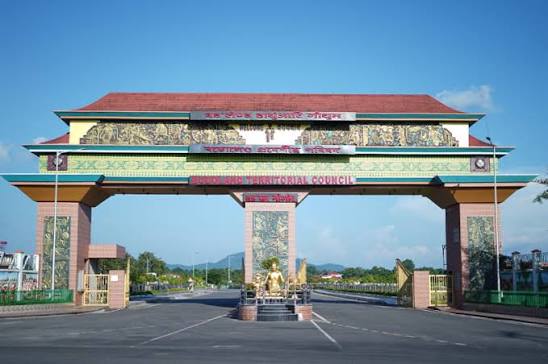
Discover Kokrajhar – Where Bodo Culture Meets the Wild Landscapes of Assam
Kokrajhar is one of the most culturally distinctive destinations of Assam and an important gateway to the natural landscapes of western Lower Assam. Known for its strong Bodo cultural identity, lush forests, wetlands, hills and wildlife destinations, Kokrajhar offers travellers a different side of Assam beyond the more popular river and tea-garden destinations.
The town serves as the headquarters of Kokrajhar district and is an important centre of administration, culture, education and commerce in the Bodoland Territorial Region. From the wildlife-rich Raimona National Park and Chakrashila Wildlife Sanctuary to the traditional landscapes around Baukhungri Hill, Kokrajhar combines nature, adventure, spirituality and indigenous heritage in one destination.
Kokrajhar at a Glance
| Category | Details |
|---|---|
| State | Assam |
| Region | Lower Assam |
| District Headquarters | Kokrajhar |
| Area | 3,169.22 sq. km |
| Population | 8,86,999 (2011 Census) |
| Population Density | 280 persons per sq. km |
| Sex Ratio | 958 females per 1,000 males |
| Literacy Rate | 66.63% |
| Sub-Divisions | 3 |
| Revenue Circles | 5 |
| Languages | Bodo, Assamese, Bengali, Hindi, Santali and local dialects |
History of Kokrajhar
Kokrajhar has a long historical association with the wider western Assam and Goalpara region. Before becoming an independent district, the area formed part of the undivided Goalpara district.
In 1957, Kokrajhar was carved out as a civil sub-division from the then Dhubri sub-division of Goalpara district. At that time, Kokrajhar was a relatively small settlement known largely for its railway station.
On 1 July 1983, Kokrajhar was upgraded to a separate district. Over the following decades, the administrative boundaries changed as new districts were created and adjoining areas were reorganised. The present district has a strong connection with the political, social and cultural development of the Bodo-majority areas of western Assam.
The district's history is also closely connected with its forests, rivers, agricultural settlements and indigenous communities. Today, Kokrajhar is an important cultural and administrative centre of the Bodoland Territorial Region.
Geography of Kokrajhar
Kokrajhar is located in the western part of Assam in the Lower Assam region. The district extends roughly between 26°19' and 26°54' North latitude and 89°46' and 90°38' East longitude.
The landscape combines plains, forests, wetlands, rivers and low hills. Its geographical diversity makes Kokrajhar particularly attractive for nature tourism, birdwatching, trekking and wildlife experiences.
The district experiences a sub-tropical climate with warm and humid summers followed by comparatively cool and dry winters. Average annual rainfall is approximately 2,400 to 3,000 mm.
Geographical Highlights
- Located in Lower Assam
- Area of approximately 3,169.22 sq. km
- Rich forest and wetland ecosystems
- Hilly landscapes around destinations such as Chakrashila and Baukhungri
- Numerous rivers and streams across the district
- Close to important wildlife landscapes of western Assam
Culture and Traditions of Kokrajhar
Culture is one of Kokrajhar's greatest attractions. The district is strongly associated with the Bodo community, while Assamese, Bengali, Rava, Koch Rajbongshi, Santhal, Orao, Nepali, Muslim and other communities also contribute to the region's cultural diversity.
Traditional Bodo culture can be experienced through music, dance, food, handloom, festivals, indigenous games and community celebrations. Visitors can also see the importance of weaving and traditional clothing in everyday cultural expression.
Traditional Bodo Clothing
Traditional Bodo textiles are an important part of the cultural identity of the region. Popular traditional garments include Dokhona, Gamsa, Aronai and Fashra. Handwoven textiles feature colourful patterns and traditional motifs and are also popular as souvenirs.
Handloom and Handicrafts
Kokrajhar and the surrounding Bodoland region are known for handloom and handicraft traditions. Bamboo and cane products, woven textiles, traditional clothing, home décor and other handmade products reflect the skills passed down through generations.
Architecture and Cultural Heritage
Kokrajhar's architectural identity is closely linked with its religious institutions, community spaces and traditional cultural practices. Temples such as Mahamaya Temple represent the spiritual heritage of the region, while cultural complexes and public spaces provide venues for festivals, literature, music and traditional performances.
The region's visual identity is also reflected through traditional Bodo textile patterns, bamboo and cane craftsmanship, murals and artworks displayed in public areas.
Famous Places to Visit in Kokrajhar
1. Raimona National Park
Raimona National Park is one of the most important wildlife destinations associated with Kokrajhar. Located in the Gossaigaon subdivision, the park covers approximately 422 sq. km and lies along the southern foothills of the Eastern Himalaya.
Raimona forms part of a larger transboundary conservation landscape associated with Bhutan's Phibsoo Wildlife Sanctuary and West Bengal's Buxa Tiger Reserve. The park is an excellent destination for travellers interested in forests, biodiversity and wildlife tourism.
The park's elevation ranges from approximately 85 metres to 1,042 metres above sea level, creating varied landscapes and habitats.
2. Chakrashila Wildlife Sanctuary
Chakrashila Wildlife Sanctuary is one of Kokrajhar's best-known natural attractions and is especially famous for the golden langur. The sanctuary covers approximately 45.568 sq. km and is located around 6 km from Kokrajhar town.
The sanctuary contains hilly forest landscapes as well as the important wetlands of Dheer Beel and Diplai Beel. It offers opportunities for birdwatching, forest trekking, wildlife observation and nature photography.
More than 119 bird species have been recorded in the sanctuary, making it particularly interesting for bird lovers.
3. Dheer Beel
Dheer Beel is a major wetland in the Brahmaputra Valley and forms part of the Chakrashila wetland complex. It is an important habitat for resident and migratory birds and is particularly attractive during the winter birdwatching season.
The surrounding wetland landscape provides opportunities for nature photography, birdwatching and peaceful outdoor experiences.
4. Diplaibeel
Diplaibeel is another scenic wetland associated with the Chakrashila landscape. The approximately 4 sq. km waterbody is known for its aquatic biodiversity and birdlife.
Tourism development initiatives have focused on creating a wetland experience that can include birdwatching, photography, boating and opportunities to learn about aquatic flora and fauna.
5. Mahamaya Temple
Mahamaya Temple, also known as Mahamaya Dham, is an important pilgrimage destination in the Parbatjhora area of Kokrajhar district. The temple has a long tradition of worship and attracts devotees from Lower Assam and neighbouring regions.
The temple complex is particularly significant during religious celebrations such as Durga Puja. A nearby site known as Mahamaya Snaanghat is associated with local traditions surrounding the goddess and is located beside the Tipkai River.
6. Baukhungri Hill
Baukhungri Hill is a popular destination for trekking, nature experiences and cultural tourism. The hill has strong spiritual and cultural significance for the Bodo community.
The annual traditional hill trek takes place around Chaitra Sankranti, marking the beginning of the Bodo New Year. The event combines trekking with traditional music, dance, food and community celebrations.
7. Bwraikund Forest Range
Bwraikund Forest Range provides opportunities for nature walks and trekking. The forest landscape offers travellers a quieter alternative to the more prominent wildlife destinations of Kokrajhar.
Famous Dishes of Kokrajhar
Food in Kokrajhar is closely connected with Bodo culinary traditions. Rice, bamboo shoots, herbs, vegetables, fish and meat are commonly used ingredients, while traditional cooking methods help preserve distinctive local flavours.
Owa Meoyai
Owa Meoyai is a traditional bamboo-shoot preparation. Bamboo shoots may be cooked with herbs, garlic and other local ingredients or combined with fish and chicken. The dish is commonly enjoyed with steamed rice.
Sobai Jwng Dau
Sobai Jwng Dau is a traditional Bodo chicken dish prepared with roasted split black gram. A distinctive flavour comes from khardwi, an alkaline liquid prepared from the peel of locally grown banana.
Onla Dau Wingkhri
Onla Dau Wingkhri is a Bodo-style chicken preparation made with rice flour and aromatic ingredients. It represents the distinctive use of rice-based gravies in traditional Bodo cooking.
Other Local Food Experiences
- Steamed rice with traditional vegetable preparations
- Bamboo-shoot dishes
- Traditional fish preparations
- Bodo-style chicken dishes
- Fitha and traditional rice-based snacks
- Laru and other festive sweets
- Traditional seasonal foods served during community festivals
Famous Personalities and Cultural Contributors
Kokrajhar's cultural importance is strongly associated with the Bodo literary, artistic, musical and sporting communities. Rather than focusing only on individual personalities, the destination is particularly known for its collective contribution to Bodo literature, handloom, music, dance and indigenous sports.
The district has also developed a strong sporting culture, with football being particularly popular. Traditional sports and activities such as archery, wrestling and other indigenous games remain important parts of local community life.
Festivals of Kokrajhar
Bwisagu
Bwisagu is one of the most important festivals associated with the Bodo community. Celebrated around the beginning of the Assamese/Bodo New Year period, it is marked by music, dance, traditional clothing, community gatherings and cultural performances.
Baokhungri Festival
The Baokhungri Festival is a major cultural and outdoor event associated with the Baukhungri Hill area. Activities can include trekking, cycling, marathons, traditional dances, indigenous games and traditional food.
Domasi Festival
Domasi, also known as Magh Bihu in Assamese tradition, is celebrated during the harvest season. In Kokrajhar, Bodo communities celebrate with traditional foods such as Fitha, Enthao, Laru and Maibra, along with music, dance and traditional games.
Kokrajhar Literary Festival
The Kokrajhar Literary Festival provides a platform for literature, poetry, arts, music and cultural discussions involving different communities and languages. It has become an important cultural event in the region.
Things to Do in Kokrajhar
- Explore the wildlife landscapes of Raimona National Park
- Visit Chakrashila Wildlife Sanctuary
- Look for golden langurs and other wildlife
- Enjoy birdwatching around Dheer Beel and Diplaibeel
- Go trekking around Baukhungri Hill
- Explore Bwraikund Forest Range
- Visit Mahamaya Temple
- Experience traditional Bodo cuisine
- Shop for handwoven Bodo textiles
- Explore bamboo and cane handicrafts
- Attend local cultural festivals when dates coincide with your visit
- Experience traditional music, dance and indigenous sports
Where to Eat, Shop and Stay in Kokrajhar
Where to Eat
Kokrajhar offers local restaurants, cafés and eateries serving Assamese and North-Eastern food along with familiar Indian dishes. For an authentic regional experience, travellers should look for restaurants and local food outlets offering Bodo-style preparations.
What to Shop
- Traditional Bodo handwoven textiles
- Aronai
- Dokhona-inspired textiles
- Bamboo and cane handicrafts
- Traditional decorative items
- Locally produced handicrafts
Where to Stay
Kokrajhar town is the most convenient base for exploring the district. Travellers can find hotels, guesthouses and other accommodation options in and around the town. For wildlife-focused trips, accommodation and tourism facilities near specific destinations should be checked in advance.
What is Kokrajhar Famous For?
Kokrajhar is best known for its combination of Bodo culture, wildlife, forests, wetlands and adventure tourism.
- Bodo Culture: Traditional textiles, food, music, dance and festivals.
- Raimona National Park: A major wildlife destination in western Assam.
- Golden Langur: Chakrashila Wildlife Sanctuary is particularly associated with this rare primate.
- Wetlands: Dheer Beel and Diplaibeel support important bird habitats.
- Baukhungri Hill: Popular for trekking and cultural traditions.
- Mahamaya Temple: An important pilgrimage destination in Lower Assam.
- Handloom and Handicrafts: Traditional Bodo textiles, bamboo and cane products.
Best Time to Visit Kokrajhar
The best time to explore Kokrajhar is generally from October to April, when the weather is more comfortable for sightseeing, trekking and outdoor activities.
| Season | Experience |
|---|---|
| October – November | Comfortable weather, greenery and outdoor sightseeing |
| December – February | Cool weather and excellent conditions for nature and birdwatching |
| March – April | Good for trekking, cultural activities and outdoor exploration |
| May – September | Monsoon conditions; lush landscapes but heavier rainfall can affect outdoor travel |
How to Reach Kokrajhar
By Rail
Kokrajhar has a railway station and is an important rail-connected town in western Assam. Rail travel is one of the convenient ways to reach the town from other parts of Assam and the wider Northeast.
By Road
Kokrajhar is connected by road with major towns and cities of Assam and neighbouring regions. Road travel is convenient for exploring attractions outside the main town.
By Air
Travellers can use airports serving western Assam and then continue to Kokrajhar by road. Rupsi Airport is also referenced by the Kokrajhar district tourism information for destinations in the district.
Local Transportation
- Local taxis and hired cars
- Auto-rickshaws within town
- Local buses
- Private vehicles for wildlife and hill destinations
Nearby Places to Visit from Kokrajhar
- Raimona National Park – approximately 53 km from Kokrajhar according to the district tourism page.
- Chakrashila Wildlife Sanctuary – approximately 6 km from Kokrajhar town.
- Mahamaya Temple – an important religious destination in the Parbatjhora area.
- Dheer Beel – a significant wetland and birdwatching destination.
- Diplaibeel – a scenic wetland associated with the Chakrashila landscape.
- Baukhungri Hill – a trekking and cultural destination.
Best Duration for a Kokrajhar Trip
A 2 to 3-day trip is suitable for experiencing the main attractions around Kokrajhar.
Suggested 2-Day Itinerary
- Day 1: Kokrajhar town, Chakrashila Wildlife Sanctuary, Dheer Beel and local food.
- Day 2: Baukhungri Hill, Mahamaya Temple and local handicraft shopping.
Suggested 3-Day Itinerary
- Day 1: Explore Kokrajhar town and experience Bodo culture and cuisine.
- Day 2: Visit Chakrashila Wildlife Sanctuary, Dheer Beel and Diplaibeel.
- Day 3: Explore Baukhungri Hill or plan a wildlife-focused excursion towards Raimona National Park.
Travel Tips for Kokrajhar
- Carry comfortable footwear for trekking and forest walks.
- Keep insect repellent with you during forest and wetland visits.
- Carry drinking water during outdoor excursions.
- Follow all forest and wildlife sanctuary rules.
- Do not feed or disturb wild animals.
- Carry binoculars if you enjoy birdwatching.
- Respect local customs and religious traditions.
- Ask permission before photographing people during cultural events.
- Try authentic Bodo cuisine from reliable local eateries.
- For wildlife destinations, check local access conditions before travelling.
- Book accommodation in advance during major festivals and events.
- Keep rain protection handy during the monsoon season.
Why Visit Kokrajhar?
Kokrajhar is an excellent destination for travellers who want to experience the cultural diversity and natural beauty of Assam away from the state's most crowded tourist routes.
The destination brings together several different travel experiences. Wildlife enthusiasts can explore Raimona National Park and Chakrashila Wildlife Sanctuary. Birdwatchers can discover the wetlands around Dheer Beel and Diplaibeel. Adventure seekers can trek towards Baukhungri Hill, while culture lovers can experience Bodo food, textiles, festivals, music and traditional practices.
For travellers interested in responsible and community-oriented tourism, Kokrajhar offers an opportunity to understand the living traditions of the Bodo community while discovering the forests and wetlands of western Assam.
Conclusion
Kokrajhar is much more than an administrative town in Assam. It is a destination where indigenous culture, wildlife, wetlands, forests, spirituality and adventure come together.
From the golden-langur habitat of Chakrashila to the expansive landscapes of Raimona National Park, from the traditional culture surrounding Baukhungri Hill to the flavours of Bodo cuisine, Kokrajhar offers travellers a memorable introduction to the cultural and natural richness of western Assam.
Whether you are planning a short weekend escape, a wildlife-focused journey or a deeper cultural exploration of Assam, Kokrajhar deserves a place on your travel list.
"Travel is the only thing you buy that makes you richer."