Udalguri – Where Tea Gardens Meet the Foothills of Bhutan
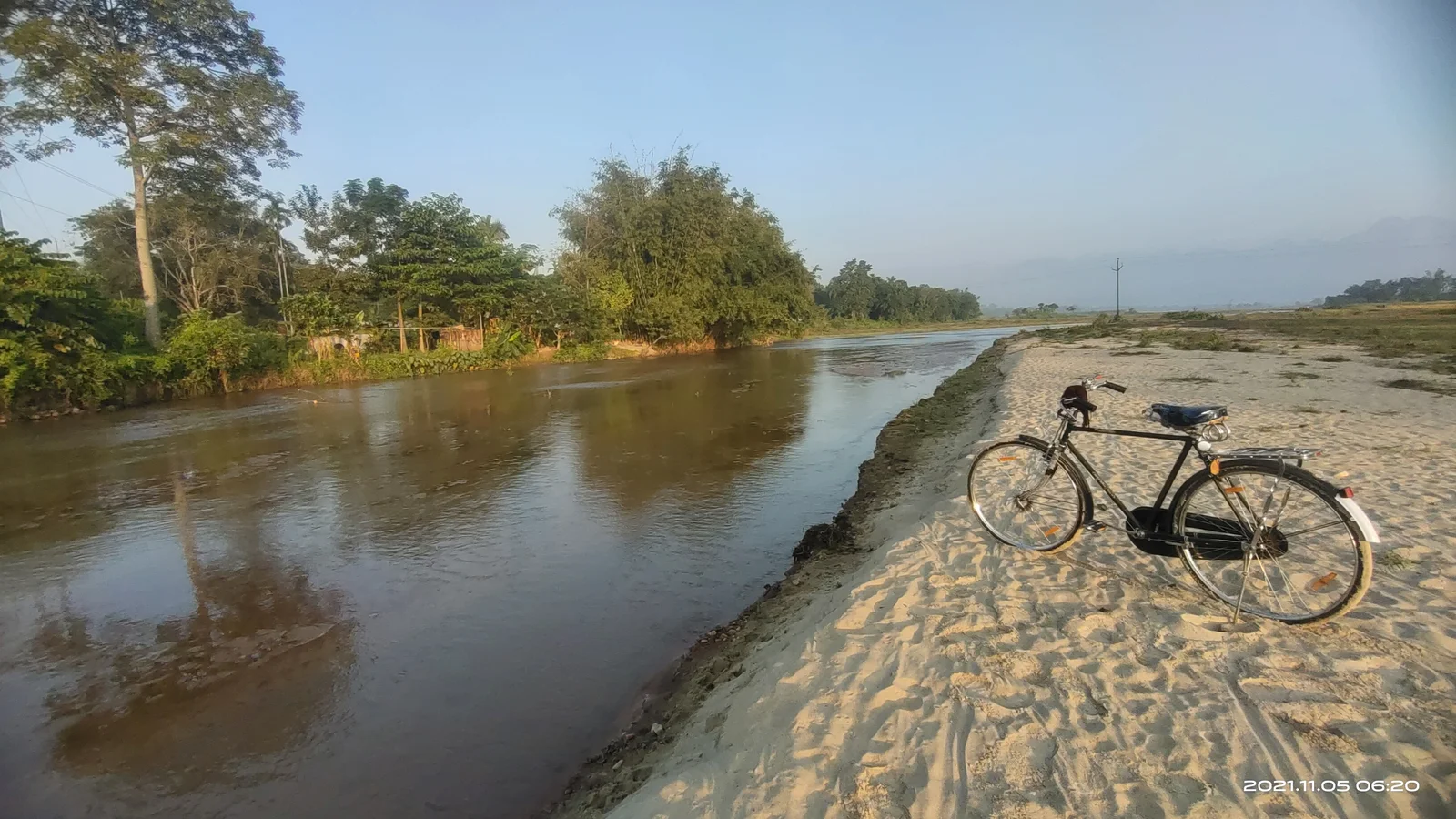
Udalguri is a peaceful town in northern Assam and the headquarters of Udalguri district. Located close to the foothills of Bhutan and Arunachal Pradesh, the town offers a distinctive mix of forest landscapes, tea gardens, religious heritage, Bodo culture and riverside scenery.
Udalguri is particularly known for the scenic Bhairabkunda area, the community-created Gethsemane forest, historic temples, old religious institutions and the diverse cultural traditions of the region. Its location also makes it an interesting gateway for exploring the northern edge of Assam and the landscapes around the Bhutan border.
| Quick Fact | Details |
|---|---|
| State | Assam |
| City | Udalguri |
| District Headquarters | Udalguri Town |
| Region | North Assam / Bodoland Territorial Region |
| District Formation | 14 June 2004 |
| District Area | 1,985.68 sq. km. |
| 2011 District Population | 8,31,668 |
| Important Border | Bhutan and Arunachal Pradesh |
| Major Attraction | Bhairabkunda |
| Major Nature Attraction | Gethsemane Man-made Forest |
History
Udalguri has a long and varied history shaped by rivers, tribal communities, migration, trade and its location close to the foothills of Bhutan and Arunachal Pradesh. The present town developed on land formed by deposits from rivers such as the Golondi, Khaorong and Doisam.
Historical accounts describe the area as having once contained large marshes and grazing grounds. Frequent flooding and changes in river courses shaped the landscape and influenced settlement patterns.
Origin of the Name Udalguri
There are several explanations for the name Udalguri. One popular explanation connects it with the Udal tree, with “guri” referring to the surrounding area or roots. Another tradition connects the name with the hermitage of sage Uddalak Muni.
The official district history also records a possible Bodo origin. The Bodo words Ordla and Gundri are believed by some to have evolved into Ordlagundri, Ordlagundi, Odalguri and eventually Udalguri. Bodo speakers continue to pronounce the name as Odalguri.
Udalguri as a District
Udalguri was earlier a sub-division of the undivided Darrang district. Following the creation of the Bodoland Territorial Council, Udalguri was formed as a separate district on 14 June 2004 by bifurcating Darrang district.
Railway and Modern Development
The railway reached Udalguri during the early twentieth century. According to the district's historical account, railway construction extending from Tangla through Udalguri towards Rangapara took place during 1932–33.
Udalguri also gained strategic importance during the 1962 Sino-Indian conflict, when the area became an important route and transit point because of its proximity to the Himalayan foothills and Bhutan-Arunachal region.
Geography
Udalguri district is located in northern Assam and shares an international boundary with Bhutan and a state boundary with Arunachal Pradesh towards the north. Sonitpur lies to the east, Darrang to the south and Baksa to the west.
The region gradually rises towards the foothills and contains rivers, streams, forests, tea gardens, agricultural land and flood-prone plains. The geography gives Udalguri a distinctive combination of lowland Assam and Himalayan foothill landscapes.
| Geographical Feature | Details |
|---|---|
| District Area | 1,985.68 sq. km. |
| District Headquarters | Udalguri |
| Sub-Divisions | 2 |
| Revenue Circles | 5 |
| Development Blocks | 11 |
| 2011 Population | 8,31,668 |
| Southern Boundary | Darrang district |
| Eastern Boundary | Sonitpur district |
| Western Boundary | Baksa district |
| Northern Boundary | Bhutan and Arunachal Pradesh |
Important rivers and waterways in the wider district include the Dhansiri, Bhairavi, Jiya Dhansiri, Golondi, Khaorong and Doisam. These waterways have historically influenced settlement, agriculture and the natural environment.
Culture and Traditions
Udalguri is one of Assam's culturally diverse regions. Bodo communities form an important part of the population, alongside Adivasi, Assamese, Bengali, Nepali-speaking and other communities.
The district is also multi-religious, with Hindu, Christian and Muslim communities living across the region. This diversity is reflected in its temples, namghars, churches, mosques, festivals, food and traditional celebrations.
Bodo Cultural Heritage
Bodo traditions are an important part of Udalguri's identity. Traditional music, dance, community rituals and festivals provide visitors with an opportunity to understand the cultural heritage of the Bodo people.
Bathou Tradition
Bathou is an important traditional religious practice among Bodo communities. The Bathou temple and research centre in the Udalguri area represents the continuing importance of this tradition.
Assamese Traditions
Assamese cultural traditions can be experienced through namghars, Bihu celebrations, devotional music, local food and community gatherings.
Architecture
Udalguri's architectural character is represented primarily by its religious buildings, traditional community institutions and historic structures rather than large monumental complexes.
Old Namghar
The old Namghar in Udalguri town represents the Assamese Vaishnavite tradition. Namghars traditionally function as places of prayer, devotional singing, cultural activities and community gatherings.
Old Hanuman Temple
The old Hanuman Temple in Udalguri town is one of the religious landmarks identified by the district administration. It remains an important place of worship for local devotees.
Old Baptist Christian Church
The old Baptist Christian Church represents the Christian heritage of Udalguri and reflects the town's multi-religious character.
Traditional Religious Architecture
The wider district contains numerous temples, satras, namghars and other religious institutions. Together, these structures reflect the coexistence of different cultural and religious traditions across Udalguri.
Famous Places
Bhairabkunda
Bhairabkunda is one of the most popular attractions near Udalguri. Located around 22 km from Udalguri town, the area lies near the meeting point of Assam, Bhutan and Arunachal Pradesh.
The area is associated with the Jia Dhansiri, Bhairavi and Daifam rivers and is known for its scenic environment, Shiva temple and picnic atmosphere. Devotees particularly visit the area during Makar Sankranti.
Gethsemane Man-made Forest
One of the most remarkable environmental stories in the Udalguri region is the regeneration of the forest around Bhairabkunda. Local communities joined hands with forest authorities to transform degraded sandy land into a large green forest.
The community-led project involved planting more than 14 lakh saplings across approximately 5,500 bighas of land. Today, the regenerated forest provides habitat for birds and wildlife and has significant eco-tourism potential.
Bornadi Wildlife Sanctuary
Bornadi Wildlife Sanctuary is a protected natural area in the Udalguri region. Its forests and wildlife make it an attractive destination for nature lovers and visitors interested in Assam's biodiversity.
Tea Estates
Tea gardens are an important part of Udalguri's landscape and economy. The district administration lists 24 tea estates, including Ambika, Attareekhat, Bahipookri, Bhergaon, Bhooteachang, Borangajuli, Corramore, Dhunsiri, Dimakuchi, Hatigarh, Mazbat, Orang and Paneery.
J.F.M.C. Plantation Centre
The Joint Forest Management plantation area at Bhairabkunda is an excellent example of community participation in environmental restoration. The regenerated forest is particularly interesting for travellers interested in conservation and eco-tourism.
Sri Sri Basudev Mandir
Sri Sri Basudev Mandir is an important religious attraction in the district. The temple is known for its annual Basudev Jagya, celebrated around the full moon in the month of Falguna, generally during February or March.
Mahamuni Devalaya
Mahamuni Devalaya at Mahaliapara in Mazbat is a historic religious site established in 1569. The temple celebrates Buddha Purnima every year and offers basic facilities such as drinking water and an open hall.
Atrimuni Ashram
Atrimuni Ashram at Adola near Ambagaon is another important spiritual destination. The site is associated with an annual Yagya performed at the Yagya Kunda and is particularly recommended by the district administration during April and October.
Bathou Temple and Research Centre
The Bathou Temple and Research Centre represents the cultural and religious traditions of the Bodo community. It is an important place for visitors interested in understanding the indigenous cultural heritage of the region.
Famous Dishes
Udalguri does not have one officially designated signature dish unique only to the town. Its food culture reflects the wider culinary traditions of Assam and the diverse communities living in the region.
Masor Tenga
Masor Tenga is a traditional Assamese fish curry known for its light, refreshing and tangy flavour. Sour ingredients such as tomato, lemon or other regional produce are commonly used.
Aloo Pitika
Aloo Pitika is a simple Assamese preparation of mashed potatoes mixed with onion, green chilli and mustard oil. It is commonly served with rice and other dishes.
Khar
Khar is a distinctive Assamese preparation traditionally made with an alkaline ingredient derived from banana ash. It is an important part of traditional Assamese meals.
Patot Diya Maas
Patot Diya Maas is fish prepared with herbs and spices, wrapped in banana leaves and cooked until aromatic. The banana leaf gives the preparation a distinctive fragrance.
Pitha
Pitha is a traditional Assamese delicacy made primarily from rice-based ingredients. Different varieties contain fillings such as sesame, coconut and jaggery and are especially popular during Bihu.
Jolpaan
Jolpaan refers to traditional Assamese breakfast and light meal preparations. Depending on the occasion, it can include flattened rice, puffed rice, curd, jaggery and other local ingredients.
Assam Tea
Tea is an essential part of the region's identity. Assam tea is known for its bold flavour, rich colour and malty character, and the tea gardens around Udalguri add to the experience.
Famous Personalities
Jojaram Sharma
Jojaram Sharma was a prominent freedom fighter from Assam who lived in Udalguri. The district administration and Census of India materials identify him as one of the notable freedom fighters associated with the region.
His association with Udalguri adds a historical dimension to the town beyond its religious and natural attractions.
Local Writers, Artists and Community Leaders
The wider Udalguri district has produced and supported writers, scholars, social workers, sportspeople and community leaders. Its diverse communities continue to contribute to Assam's cultural and social life.
Festivals
Bihu
Bihu is one of Assam's most important festivals and is celebrated across Udalguri. Bohag Bihu, Kati Bihu and Magh Bihu represent different stages of the agricultural cycle and are marked by music, dance, food and community celebrations.
Bwisagu / Baisagu
Bwisagu is an important festival of the Bodo community and is closely associated with the arrival of spring and the beginning of the Bodo New Year. Traditional music, dance and community celebrations form an important part of the festival.
Kherai Puja
Kherai Puja is an important traditional Bodo religious ceremony. It includes rituals, music and traditional dance and reflects the spiritual traditions of the Bodo community.
Basudev Jagya
Basudev Jagya is celebrated at Sri Sri Basudev Mandir around the full moon in the month of Falguna, generally during February and March. Devotees gather for religious rituals and worship.
Budhha Purnima
Mahamuni Devalaya celebrates Buddha Purnima every year. The occasion attracts devotees and adds to the religious diversity of Udalguri's cultural landscape.
Makar Sankranti at Bhairabkunda
Bhairabkunda attracts devotees during Makar Sankranti, when visitors traditionally take a ritual bath at the meeting point of the rivers and offer prayers at the Shiva temple.
Things to Do
- Visit Bhairabkunda: Enjoy the scenic border landscape and visit the Shiva temple.
- Explore Gethsemane Forest: Discover one of the region's notable community-led forest restoration projects.
- Visit tea gardens: Enjoy the green scenery and learn about the tea-growing landscape.
- Explore religious heritage: Visit old temples, namghars, satras and other religious institutions.
- Discover Bodo culture: Learn about Bathou traditions, Bwisagu and Kherai Puja.
- Enjoy nature: Explore forests, rivers and foothill landscapes.
- Try Assamese food: Sample Masor Tenga, Khar, Aloo Pitika, Pitha and local tea.
- Wildlife experience: Explore the natural surroundings near Bornadi and other forest areas while following local regulations.
- Photography: Capture tea gardens, forests, rivers, temples and rural landscapes.
- Attend local festivals: Experience the cultural atmosphere during Bihu, Bwisagu or other local celebrations.
Where to Eat, Shop, and Stay
Where to Eat
Udalguri town has local restaurants, eateries and food stalls serving Assamese and Indian food. For an authentic experience, visitors should explore local preparations rather than limiting themselves to standard tourist menus.
Popular regional choices include:
- Masor Tenga
- Aloo Pitika
- Khar
- Patot Diya Maas
- Pitha
- Jolpaan
- Assam Tea
Where to Shop
Local markets in Udalguri are useful for discovering everyday Assamese products, fresh produce, snacks and traditional items. Depending on availability, visitors can also look for bamboo and cane products, handloom textiles and locally produced tea.
Where to Stay
Udalguri town is the most practical base for exploring the town's temples and nearby attractions. For travellers planning to explore Bhairabkunda and the surrounding forest areas, staying in or around Udalguri provides useful access to the northern part of the district.
| Traveller Type | Recommended Stay |
|---|---|
| Budget Traveller | Local hotels and guesthouses in Udalguri |
| Nature Traveller | Udalguri with day trips to Bhairabkunda |
| Heritage Traveller | Udalguri town for easy access to temples and cultural sites |
| Extended Assam Trip | Udalguri combined with Tezpur or other North Assam destinations |
What is Udalguri Famous For?
Udalguri is best known for its natural landscapes, Bhairabkunda, tea gardens, Bodo culture, religious heritage and community-led forest restoration.
| Known For | Why It Matters |
|---|---|
| Bhairabkunda | Scenic destination near the Bhutan-Arunachal-Assam region |
| Gethsemane Forest | Large community-led forest regeneration project |
| Tea Gardens | Important part of the regional landscape and economy |
| Bodo Culture | Traditional Bathou, Bwisagu and Kherai traditions |
| Religious Heritage | Temples, namghars, satras, churches and other places of worship |
| Foothill Landscape | Gateway towards the Bhutan and Arunachal Pradesh border region |
Best Time to Visit
The most comfortable period for exploring Udalguri is generally October to March, when the weather is more suitable for outdoor sightseeing, forest visits and excursions to Bhairabkunda.
| Period | Travel Experience |
|---|---|
| October–November | Comfortable weather and greener landscapes after the monsoon |
| December–February | Cool weather and good conditions for sightseeing |
| March–April | Good for festivals, cultural experiences and selected religious sites |
| May–September | Lush greenery but heavier rainfall and possible flooding |
For specific attractions, the district administration recommends different periods. Sri Sri Basudev Mandir is particularly associated with February–March, while Atrimuni Ashram recommends April and October. Bhairabkunda is highlighted by Assam Tourism for October to March and April.
How to Reach
By Air
The nearest major airport commonly used to reach Udalguri is Lokpriya Gopinath Bordoloi International Airport at Borjhar, Guwahati. The district administration lists the airport at approximately 128 km from Udalguri.
Tezpur Airport can also be considered depending on flight availability and the traveller's itinerary.
By Train
Udalguri Railway Station (ULG) provides direct railway connectivity. Regular trains connect Udalguri with other parts of Assam and major cities through the wider railway network.
By Road
Udalguri is well connected by road with towns and cities across Assam. The Udalguri ASTC Bus Stand provides bus connectivity, while taxis and private vehicles are convenient for visiting attractions outside the town.
| Mode | Recommended Connection |
|---|---|
| Air | LGBI Airport, Guwahati |
| Rail | Udalguri Railway Station (ULG) |
| Bus | Udalguri ASTC Bus Stand |
| Private Vehicle | Convenient for Bhairabkunda and surrounding attractions |
Nearby Places
Bhairabkunda
Bhairabkunda is the most important nearby excursion from Udalguri. Located around 22 km from the district headquarters, it combines rivers, forest landscapes, religious significance and proximity to the Bhutan-Arunachal region.
Bornadi Wildlife Sanctuary
Bornadi Wildlife Sanctuary is a natural attraction in the district and is suitable for travellers interested in forests and biodiversity.
Orang National Park
Orang National Park lies in the broader northern Assam region and is known for its rhinoceros population, grasslands, wetlands and wildlife. Assam Tourism describes it as the “Mini Kaziranga” and recommends November to April for visiting.
Tezpur
Tezpur is an important cultural and historical destination of Assam. It can be combined with Udalguri for a wider North Assam itinerary.
Bhutan Border Region
The northern part of Udalguri provides access to landscapes close to Bhutan. Bhairabkunda is particularly interesting because of its geographical position near the Assam-Bhutan-Arunachal region.
Arunachal Pradesh Border Region
The northern boundary of the district touches Arunachal Pradesh, giving the region a distinctive foothill landscape and making it interesting for travellers exploring the northeastern frontier.
| Nearby Destination | Travel Interest |
|---|---|
| Bhairabkunda | Nature, rivers, temple and border landscape |
| Bornadi Wildlife Sanctuary | Wildlife and forests |
| Orang National Park | Rhino and wildlife tourism |
| Tezpur | History, culture and sightseeing |
| Bhutan Border Region | Foothill landscapes and cross-border scenery |
| Arunachal Border Region | Himalayan foothill landscapes |
Best Duration for a Trip
2 days are enough for a focused Udalguri trip covering the town, nearby religious sites and Bhairabkunda.
Suggested 2-Day Itinerary
| Day | Plan |
|---|---|
| Day 1 | Explore Udalguri town, old Namghar, old Hanuman Temple, local markets and nearby religious attractions. |
| Day 2 | Visit Bhairabkunda, explore the Gethsemane forest area and enjoy the foothill landscape. |
Travellers interested in wildlife, tea gardens and nearby North Assam destinations should plan 3–4 days.
Travel Tips
- Carry rain protection: Udalguri receives significant rainfall, particularly during the monsoon.
- Check weather conditions: Heavy rain can affect roads and river-side areas.
- Start early: Morning is generally more comfortable for outdoor excursions.
- Wear comfortable footwear: Useful for forests, picnic areas and religious sites.
- Dress respectfully: Follow local customs when visiting temples, namghars and religious institutions.
- Respect local culture: Udalguri is home to many ethnic and religious communities.
- Ask before photographing people: Especially during religious ceremonies and cultural events.
- Protect forests: Do not litter or disturb wildlife in forest and sanctuary areas.
- Carry basic supplies: Remote attractions may have limited shops and facilities.
- Plan transport: A private vehicle or local taxi is useful for visiting several attractions in one day.
- Check border-area requirements: Follow current local instructions when travelling close to international or state borders.
- Try local food: Explore Assamese and Bodo-influenced food rather than relying only on standard restaurant menus.
Why Visit Udalguri?
Udalguri is worth visiting because it offers a different side of Assam—one shaped by foothills, forests, tea gardens, indigenous culture and religious diversity.
The town itself provides a relaxed base, while the surrounding district offers much more to explore. Bhairabkunda combines nature and spirituality, the Gethsemane forest demonstrates the impact of community conservation, and the tea gardens add another distinctive layer to the landscape.
Top Reasons to Visit
- Explore the scenic Bhairabkunda region.
- See the remarkable Gethsemane community forest.
- Experience Bodo cultural traditions.
- Explore historic temples, namghars and religious sites.
- Walk through or admire Assam's tea garden landscapes.
- Discover the foothills near Bhutan and Arunachal Pradesh.
- Enjoy Assamese food and local tea.
- Use Udalguri as a base for exploring North Assam.
Conclusion
Udalguri is a destination where the cultural diversity of Assam meets the green landscapes of its northern foothills. Its combination of Bodo traditions, religious heritage, tea gardens, forests and rivers gives the town and surrounding district a character that is distinctly different from Assam's more heavily visited destinations.
From the scenic beauty of Bhairabkunda to the inspiring community-led regeneration of the Gethsemane forest, Udalguri offers experiences that connect nature, culture and local history.
For travellers looking for a quieter journey through Assam, Udalguri is a rewarding destination where forests, tea gardens, faith and diverse traditions come together beneath the foothills of Bhutan and Arunachal Pradesh.
"Travel is the only thing you buy that makes you richer."