Dibrugarh: Assam's Tea-Scented Gateway to the Northeast
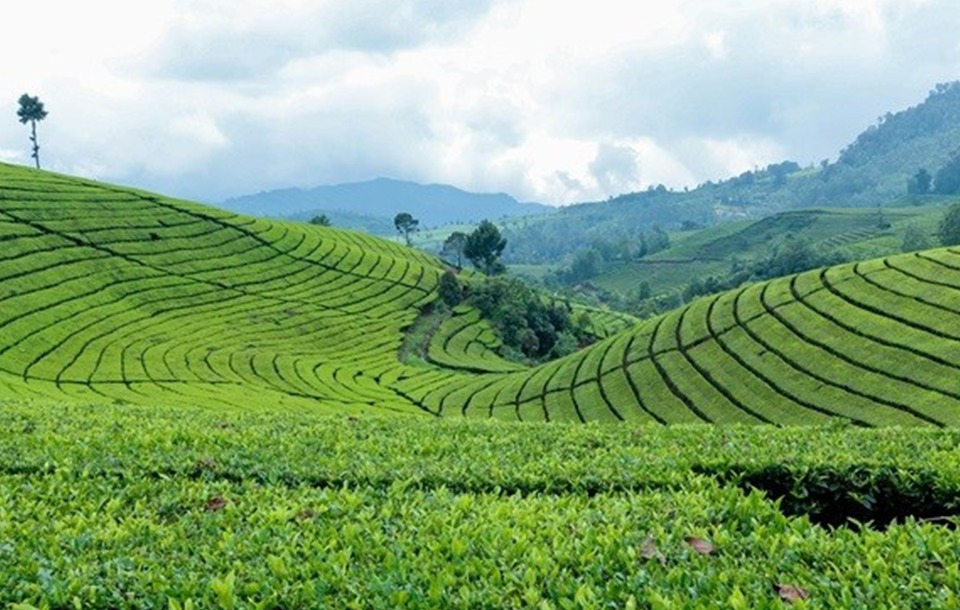
Known as the “Tea City of India”, Dibrugarh is one of Assam's most fascinating destinations, where endless tea gardens, the mighty Brahmaputra, historic Ahom sites and diverse cultural traditions come together. Located in Upper Assam, the city is surrounded by lush greenery and serves as an important gateway to the tea-growing districts and natural attractions of the region.
Dibrugarh offers much more than tea. Travelers can explore heritage temples, ancient maidams, Buddhist monasteries, rainforest landscapes, botanical gardens and riverside destinations. The city is also an important commercial, educational and healthcare centre of Upper Assam.
Whether you want to spend a quiet morning in a tea garden, discover Assam's royal history, explore rainforest biodiversity or experience the traditions of Tai Phake and other communities, Dibrugarh offers a well-rounded travel experience.
History
Dibrugarh has a history closely connected with the Ahom Kingdom and the strategic waterways of Upper Assam. The name Dibrugarh is associated with Dibrumukh, a location connected with the confluence of the Dibru River and the Brahmaputra and with defensive forts constructed in the region.
The area was strategically important during the Ahom period because of its location along major rivers. The historical fortifications associated with Dibrumukh have since disappeared due to river erosion, but the name remains connected with the city's historical identity.
Dibrugarh later developed significantly during the British period, particularly with the growth of the tea and oil industries. Tea plantations transformed the economy and landscape of Upper Assam, while the discovery and development of petroleum resources created another major industrial base.
Dibrugarh became a separate district after being separated from Lakhimpur in 1976. In 1989, the Tinsukia district was carved out of Dibrugarh.
Today, Dibrugarh combines its historic identity with the role of a modern regional centre. Tea, oil, education, healthcare, trade and tourism all contribute to its importance in Upper Assam.
Geography
Dibrugarh is situated in Upper Assam, on the southern bank of the Brahmaputra. The district covers approximately 3,381 square kilometres and extends from the Brahmaputra valley towards the foothills and forested areas of the east and southeast.
The Brahmaputra forms an important geographical feature along the northern part of the district, while the Burhi Dihing River flows across the region from east to west. Other rivers and wetlands contribute to the area's fertile alluvial landscape.
The district is largely a plain with a gradual slope from the eastern Arunachal foothills towards the west. Its fertile soil and humid climate have helped create ideal conditions for tea cultivation and agriculture.
| Geographical Feature | Information |
|---|---|
| Region | Upper Assam |
| District Area | Approximately 3,381 sq. km |
| Major River | Brahmaputra |
| Important Tributary | Burhi Dihing |
| Landscape | Alluvial plains, tea gardens, wetlands and rainforest areas |
| Climate | Humid subtropical with heavy monsoon rainfall |
Culture and Traditions
Dibrugarh has a diverse cultural identity shaped by Assamese traditions and the many communities that have lived in Upper Assam for generations. Assamese is an important language of the region, while Bengali, Hindi and other languages are also spoken.
The district is home to communities including the Sonowal Kachari, Tai Phake, Mising, Moran and other indigenous and Assamese communities. Their traditions can be experienced through festivals, food, music, handloom, religious practices and village life.
Tea culture is another defining part of Dibrugarh's identity. Tea estates are not simply agricultural landscapes; they have influenced the region's economy, architecture, lifestyle and social history.
The Tai Phake community around Namphake and Tipam Phake has preserved its Buddhist traditions, language, cuisine and cultural practices. Visiting these villages provides travelers with an opportunity to experience a distinctive cultural heritage within Assam.
Traditional Assamese festivals such as Bihu are celebrated widely, while Buddhist communities observe festivals connected with their religious calendar. The region's cultural diversity is one of Dibrugarh's greatest attractions.
Architecture
Dibrugarh's architecture reflects several different periods of Assam's history. Visitors can find Ahom-era temples, maidams, colonial-era tea bungalows, Buddhist monasteries and modern landmarks.
Ahom-period structures such as Raidongia Doul and Bezor Doul demonstrate the region's distinctive brick temple architecture. Raidongia Doul was constructed during the reign of Swargadeo Pramatta Singha and features an octagonal plan with decorative niches.
The historic Maidams are another important architectural feature. These burial mounds associated with the Ahom royalty provide insight into the funerary traditions of the Ahom period.
Dibrugarh's tea estates also preserve colonial-era tea bungalows, surrounded by gardens and old plantation landscapes. Some estates offer visitors the opportunity to experience the heritage atmosphere of Assam's tea country.
Famous Places
Jokai Reserve Forest
Jokai Reserve Forest is a natural attraction located close to Dibrugarh. The reserve covers approximately 800 hectares and contains the Jokai Botanical Garden, Sahitya Manishi Upaban and forest villages. Its tropical vegetation supports numerous birds, butterflies, orchids and other wildlife.
Birdwatchers can look for species such as flycatchers, sunbirds, green pigeons, trogons and other forest birds. The reserve is an excellent place to experience Dibrugarh's natural side without travelling far from the city.
Jokai Botanical Garden
Jokai Botanical Garden cum Germplasm Centre is located within the Jokai Reserve Forest. It showcases the region's plant diversity and provides visitors with an opportunity to explore tropical vegetation, orchids and other flora.
It is especially suitable for travelers interested in botany, nature walks, photography and birdwatching.
Dehing Patkai National Park
Dehing Patkai National Park is one of the most important natural attractions associated with Dibrugarh. Known as the “Amazon of the East”, the rainforest takes its name from the Dehing River and the Patkai hills.
The national park was declared a wildlife sanctuary in 2004 and became a national park in 2021. It covers 234.26 square kilometres across Dibrugarh and Tinsukia districts and supports rich biodiversity, including mammals, birds, reptiles and butterflies.
Jeypore Rainforest
Jeypore Rainforest is one of the richest rainforest landscapes in eastern Assam. Located southeast of Dibrugarh, it is known for its dense tropical vegetation and remarkable biodiversity.
The rainforest is particularly attractive to wildlife enthusiasts, photographers and travelers who want to explore Assam beyond its famous tea gardens.
Namphake Buddhist Monastery
Namphake Buddhist Monastery is located in the Namphake village area and is an important centre of Tai Phake Buddhist culture. The peaceful monastery is surrounded by greenery and includes a Buddha statue, a pagoda and the sacred Mucalinda Tank.
The village is also known for its strong Tai Phake traditions. Visitors can learn about Buddhism, traditional customs and the community's distinctive way of life.
Tipam Phake Buddhist Monastery
Tipam Phake is another important Tai Phake cultural destination in Dibrugarh district. The village was established in the nineteenth century, and its Buddhist monastery remains an important centre of the community's religious and cultural life.
The village is particularly appealing to travelers interested in traditional architecture, Buddhism, ethnic culture and local cuisine.
Raidongia Doul
Raidongia Doul is a historic brick-built Vishnu temple dating to the reign of Swargadeo Pramatta Singha between 1744 and 1751. The temple has an octagonal plan and a distinctive structure decorated with arched niches and stone sculptures.
It is one of Dibrugarh's important examples of Ahom-era temple architecture and is worth visiting for travelers interested in history and heritage.
Bezor Doul
Bezor Doul is another historic brick temple associated with the late medieval Ahom period. It has an octagonal sanctum and is linked with an Ahom royal physician who was rewarded with land for his service to the royal family.
Jagannath Temple
Lord Jagannath Temple at Dibrugarh, also known as Shrikshetra Dham, is an important modern religious attraction. The temple is inspired by the famous Jagannath Temple of Puri and attracts devotees as well as visitors interested in religious architecture.
Bogibeel Bridge and Bogibeel Ghat
Bogibeel Bridge is one of the most impressive engineering landmarks near Dibrugarh. The bridge crosses the Brahmaputra and connects the northern and southern banks, significantly improving connectivity between Upper Assam and Dhemaji.
The adjoining Bogibeel Ghat has also developed as a river tourism destination where visitors can enjoy the Brahmaputra landscape and, where available, river-based activities.
Sasoni Merbil Eco-Tourism Project
Sasoni Merbil is an eco-tourism destination in the Naharkatia area. Merbil is an island and biodiversity hotspot supporting birds, fish, butterflies, turtles, snakes and other wildlife.
Visitors can enjoy activities such as boating, jeep safari, jungle trekking and birdwatching. The destination also provides opportunities to experience local communities and traditional food.
Tea Gardens and Heritage Tea Bungalows
The tea gardens of Dibrugarh are among the city's defining attractions. Rolling rows of tea bushes create a beautiful green landscape, especially during the growing season.
Some tea estates and heritage bungalows provide opportunities for tea tourism, allowing visitors to learn about plantation life, tea production and the history of Assam's tea industry.
Koli Aai Thaan
Koli Aai Thaan is a spiritual site associated with Koli Aai and her teachings. It provides an opportunity to experience a more local and traditional side of Dibrugarh's religious culture.
Barbaruah Maidam
Barbaruah Maidam is associated with the burial traditions of the Ahom period. These historic mounds offer an opportunity to understand the funerary customs and royal heritage of medieval Assam.
Famous Dishes
Assam Tea
Assam Tea is the signature taste of Dibrugarh. The city lies in one of India's most important tea-growing regions, and enjoying freshly brewed Assam tea is an essential part of the Dibrugarh experience.
Masor Tenga
Masor Tenga is a classic Assamese fish preparation known for its light and tangy flavour. Fish is cooked with ingredients that provide a refreshing sour taste, making it especially enjoyable with steamed rice.
Khar
Khar is a traditional Assamese preparation made using an alkaline ingredient traditionally derived from plantain or other sources. It has a distinctive flavour and is an important part of traditional Assamese meals.
Pitika
Pitika is a simple mashed preparation that may be made from potatoes, vegetables or fish. It is typically mixed with mustard oil, onions, chillies and other ingredients and served as an accompaniment to rice.
Assamese Pitha
Pitha is a traditional rice-based food commonly prepared during festivals and special occasions. Varieties may be steamed, roasted or filled with ingredients such as coconut and jaggery.
Duck with Ash Gourd
Duck with ash gourd is a well-known Assamese-style preparation enjoyed in many parts of the state. The combination of tender duck and mild vegetables creates a hearty traditional dish.
Famous Personalities
Jyoti Prasad Agarwala
Jyoti Prasad Agarwala was an influential Assamese playwright, poet, songwriter, writer and filmmaker. He is widely regarded as one of the pioneers of Assamese cinema and culture. His contribution to Assamese literature, music and film remains deeply influential.
Justice Ranjan Gogoi
Justice Ranjan Gogoi was born in Dibrugarh and became the 46th Chief Justice of India. His career in the judiciary made him one of the most prominent public figures associated with the city.
Biju Phukan
Biju Phukan was a well-known Assamese actor who worked extensively in Assamese cinema. He is remembered as one of the prominent actors of the Assamese film industry.
Nilmoni Phookan
Nilmoni Phookan was an acclaimed Assamese writer, poet, freedom fighter and politician. He is among the notable literary personalities associated with the cultural history of the Dibrugarh region.
Nagen Saikia
Nagen Saikia is a prominent Assamese writer and literary figure. His contribution to Assamese literature has earned him recognition as one of the important literary personalities connected with the region.
Festivals
Rongali Bihu
Rongali Bihu, also known as Bohag Bihu, marks the Assamese New Year and the arrival of spring. In Dibrugarh, celebrations include traditional Bihu dance, music, feasting, new clothes and community gatherings.
Magh Bihu
Magh Bihu is associated with the harvest season and community feasting. Traditional foods, bonfires, gatherings and rural celebrations make it an important festival in Dibrugarh and across Assam.
Kati Bihu
Kati Bihu is a quieter agricultural festival associated with prayers for a good harvest. Lamps are traditionally lit around homes, fields and sacred plants as part of the observance.
Poi-Nen-Chi
Poi-Nen-Chi is an important festival celebrated by the Tai Phake Buddhist community at Namphake. It is associated with paying homage to Lord Buddha and is generally observed around March.
Buddha Purnima
Buddha Purnima is observed by Buddhist communities including the Tai Phake people. The monasteries at Namphake and Tipam Phake provide an opportunity to experience Buddhist religious traditions in a peaceful cultural setting.
Durga Puja
Durga Puja is celebrated with enthusiasm in Dibrugarh, with decorated pandals, cultural programmes, prayers and community gatherings.
Things to Do
There are many ways to experience Dibrugarh beyond conventional sightseeing. Some of the best experiences include:
- Take a tea garden tour: Walk through lush tea estates and learn about Assam's tea-growing tradition.
- Stay in or visit a heritage tea bungalow: Experience the atmosphere of Assam's historic plantation era.
- Explore Jokai Reserve Forest: Enjoy nature walks, birdwatching and botanical exploration.
- Visit Dehing Patkai: Explore one of Northeast India's richest rainforest landscapes.
- Discover Tai Phake culture: Visit Namphake and Tipam Phake to experience Buddhist traditions and local lifestyles.
- Explore Ahom heritage: Visit Raidongia Doul, Bezor Doul and historic maidams.
- Visit Bogibeel Ghat: Enjoy views of the Brahmaputra and the iconic Bogibeel Bridge.
- Try authentic Assamese food: Taste Masor Tenga, Khar, Pitika, Pitha and other local preparations.
- Go birdwatching: Jokai and the surrounding forest landscapes offer excellent opportunities for observing birds.
- Explore Sasoni Merbil: Enjoy boating, nature activities, birdwatching and village experiences.
Where to Eat, Shop, and Stay
Where to Eat
Dibrugarh has restaurants ranging from simple local eateries to modern dining establishments. Visitors should try Assamese food as well as the city's popular tea culture.
| Food Experience | What to Try |
|---|---|
| Traditional Assamese | Masor Tenga, Khar, Pitika and rice-based meals |
| Tea Experience | Fresh Assam tea and traditional tea-shop snacks |
| Festival Food | Pitha and seasonal Assamese preparations |
| Local Dining | Rice, fish, vegetables and regional meat dishes |
Where to Shop
Dibrugarh is a good place to shop for Assam tea, traditional textiles, handloom products, bamboo crafts and locally produced items.
Tea is the obvious souvenir. Visitors can purchase packaged Assam tea from local shops and tea outlets and take home different grades and blends from the region.
Where to Stay
Dibrugarh has a wide range of accommodation options, including budget hotels, business hotels, boutique properties and higher-end stays.
| Stay Type | Suitable For |
|---|---|
| Budget Hotels | Backpackers, short stays and economical trips |
| Mid-Range Hotels | Families, couples and business travelers |
| Luxury/Boutique Stays | Relaxed holidays and tea tourism experiences |
| Tea Garden / Heritage Stay | Travelers looking for a unique plantation experience |
| Eco-Stays / Homestays | Nature and cultural experiences |
What is Dibrugarh Famous For?
Dibrugarh is most famous as the “Tea City of India”. Its extensive tea gardens and connection with Assam's tea industry have given the city an identity recognized across India.
- Tea Gardens: One of India's most important tea-growing regions.
- Assam Tea: A major symbol of the region.
- Brahmaputra: The city's location near the mighty river adds to its natural appeal.
- Ahom Heritage: Historic temples, maidams and cultural sites.
- Dehing Patkai: Rich rainforest and wildlife.
- Tai Phake Culture: Buddhist monasteries and distinctive traditions.
- Tea Tourism: Heritage bungalows, plantations and tea experiences.
- River Tourism: Bogibeel Bridge and Brahmaputra landscapes.
Best Time to Visit
According to Assam Tourism, the best time to visit Dibrugarh is generally from October to March. The weather during this period is more comfortable for sightseeing, tea garden visits and outdoor activities.
| Season | Travel Experience | Recommendation |
|---|---|---|
| October–November | Green landscapes after the monsoon and comfortable weather | Excellent |
| December–February | Cooler and pleasant weather for sightseeing | Best |
| March–April | Spring, tea landscapes and cultural experiences | Good |
| May–September | Warm, humid and rainy; lush greenery | For monsoon lovers |
Travelers should keep in mind that Dibrugarh receives substantial monsoon rainfall. Heavy rain can affect outdoor plans, forest visits and road travel, so weather conditions should be checked before travelling during the rainy season.
How to Reach
By Air
Dibrugarh Airport, also known as Mohanbari Airport, is the primary airport serving the city. It is located approximately 16 kilometres from Dibrugarh town and provides air connectivity to major cities including Guwahati, Delhi and Kolkata, with flight schedules varying by season and airline.
By Train
Dibrugarh Railway Station is located in the city and is an important railway station in the Northeast. Long-distance trains connect Dibrugarh with several major cities across India, making rail travel a convenient option.
By Road
Dibrugarh is connected to other parts of Assam and the Northeast by road. National Highway routes and intercity buses connect the city with destinations such as Guwahati, Tinsukia, Sivasagar, Itanagar and Dimapur.
| Mode | Main Option | Best For |
|---|---|---|
| Air | Dibrugarh / Mohanbari Airport | Fastest long-distance travel |
| Rail | Dibrugarh Railway Station | Comfortable long-distance travel |
| Road | Bus, taxi or private vehicle | Flexible regional travel |
Nearby Places
Dibru-Saikhowa National Park
Dibru-Saikhowa National Park is an important wildlife destination in eastern Assam. Its wetlands, grasslands and forests support a wide range of birds and animals and make it an excellent choice for nature and birdwatching enthusiasts.
Tinsukia
Tinsukia is an important commercial town near Dibrugarh and a useful base for exploring attractions such as Dibru-Saikhowa and the wider eastern Assam region.
Sivasagar
Sivasagar is one of Assam's most important historical destinations and is known for Ahom monuments, temples and royal heritage. It is an excellent addition to a Dibrugarh itinerary for travelers interested in history.
Digboi
Digboi is famous for its historic oil industry and colonial-era heritage. The town offers a different perspective on Assam's industrial history and can be combined with eastern Assam travel.
Margherita
Margherita is known for its tea gardens, coal-mining heritage and proximity to rainforest landscapes. It is particularly appealing to travelers interested in nature and industrial heritage.
Namphake
Namphake is an excellent nearby cultural destination for experiencing Tai Phake Buddhist traditions, monastery architecture, traditional food and village life.
Majuli
Majuli, the famous river island of Assam, can be included in a longer Upper Assam itinerary. Its satras, traditional arts, mask-making and rural culture make it one of the region's most distinctive destinations.
Best Duration for a Trip
Assam Tourism recommends approximately 2–3 days to experience Dibrugarh. This is enough for the major city attractions, tea gardens and selected nearby destinations.
| Trip Duration | Suggested Experience |
|---|---|
| 1 Day | City sightseeing, tea experience and selected heritage attractions |
| 2 Days | Tea gardens, Jokai, heritage sites and local culture |
| 3 Days | Dibrugarh plus Namphake, Bogibeel or Sasoni Merbil |
| 4–5 Days | Dibrugarh combined with Sivasagar, Tinsukia, Dibru-Saikhowa or other Upper Assam destinations |
Travel Tips
- Plan your main sightseeing between October and March for more comfortable weather.
- Carry an umbrella or rain jacket because rainfall can occur outside the main monsoon period as well.
- Wear comfortable shoes when visiting tea gardens, forests and heritage sites.
- Carry light cotton clothing during warmer months and light woollens during winter.
- Book accommodation and transport in advance during major festivals and holiday periods.
- Ask permission before photographing people, private tea-estate areas or cultural ceremonies.
- Follow all instructions when entering forests and wildlife areas.
- Do not disturb birds or wildlife while birdwatching.
- Respect Buddhist, Hindu and other religious customs when visiting monasteries and temples.
- When visiting Namphake or Tipam Phake, dress modestly and maintain a quiet atmosphere around monasteries.
- Try local Assamese food and Assam tea to experience the region's culinary culture.
- Carry cash when travelling to rural destinations because digital payment facilities may not always be available.
- For forest and eco-tourism destinations, confirm current access and local transport arrangements before travelling.
- During heavy monsoon periods, check road and weather conditions before planning longer excursions.
Why Visit Dibrugarh?
Dibrugarh is worth visiting because it brings together some of Assam's most recognizable experiences in one destination. It is a place where tea gardens, rivers, rainforests, history and cultural diversity are all within reach.
The city is particularly attractive for travelers who want to slow down and experience Assam rather than simply pass through it. A morning among tea gardens, an afternoon exploring an Ahom-era monument and an evening enjoying local Assamese food can make for a memorable day.
Nature lovers can travel towards Jokai, Jeypore and Dehing Patkai, while culture enthusiasts can explore Namphake and Tipam Phake. History lovers can visit ancient temples and maidams, while photographers will find plenty of opportunities among tea gardens, rivers, forests and traditional villages.
Dibrugarh also works exceptionally well as a gateway to Upper Assam, allowing travelers to continue towards Sivasagar, Tinsukia, Dibru-Saikhowa and other destinations in the Northeast.
Conclusion
Dibrugarh is much more than Assam's tea capital. It is a city where the green landscapes of tea gardens meet the Brahmaputra, where Ahom heritage stands alongside Buddhist monasteries, and where rainforest ecosystems exist not far from a growing modern city.
From sipping authentic Assam tea and exploring plantation landscapes to discovering ancient monuments, visiting Namphake and venturing into Dehing Patkai, Dibrugarh offers a rich variety of experiences.
If you want to discover the natural beauty, cultural diversity and historic character of Upper Assam, Dibrugarh is an excellent place to begin.
"Travel is the only thing you buy that makes you richer."