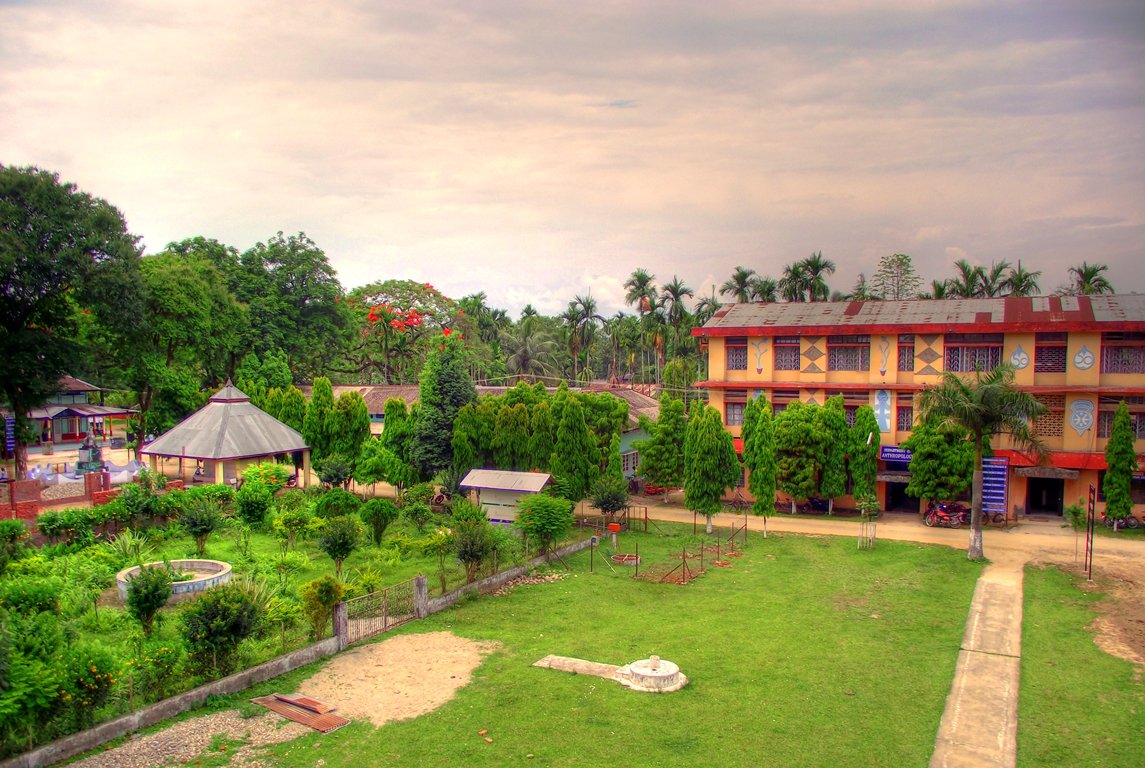
Discover Lakhimpur – Where Rivers, Wetlands and Assamese Heritage Come Together
Lakhimpur is a beautiful district in the north-eastern part of Assam, located on the north bank of the mighty Brahmaputra River. Known for its fertile agricultural plains, forests, wetlands, rivers, religious heritage and traditional Assamese culture, Lakhimpur offers travellers an opportunity to explore a quieter and more authentic side of Assam.
The district headquarters is North Lakhimpur, which serves as an important administrative, commercial and transportation centre. From scenic river landscapes and bird-rich wetlands to historic Satras and traditional festivals, Lakhimpur brings together nature, culture and heritage in a distinctive travel experience.
Lakhimpur at a Glance
| Category | Details |
|---|---|
| State | Assam |
| Region | North-East Assam |
| District Headquarters | North Lakhimpur |
| Area | 2,277 sq. km |
| Population | 10,42,137 (2011 Census) |
| Male Population | 5,29,674 |
| Female Population | 5,12,643 |
| Population Density | 457 persons per sq. km |
| Sex Ratio | 965 females per 1,000 males |
| Major Rivers | Brahmaputra, Subansiri, Ranganadi and Dikrong |
| Major Forests | Ranga, Kakoi, Dulung and Pava Reserve Forests |
History of Lakhimpur
The history of Lakhimpur is closely connected with the development of northern Assam and the communities that settled along its rivers and fertile plains.
According to the district administration, the name Lakhimpur is traditionally associated with the word Lakhimi, a local reference to paddy, and the word pur, meaning a place or settlement. The name therefore carries the sense of a land rich in paddy and agricultural prosperity.
Another traditional explanation connects the name with Lakshmi Devi, described in local historical accounts as the mother of a Bhuyan Raja descended from King Arimatta.
Lakhimpur district was formally notified through a proclamation in July 1839. The district underwent several administrative reorganisations. In 1971, it was reorganised with Dhemaji and North Lakhimpur subdivisions, while in 1989 another major reorganisation left Dhemaji as a separate district and retained Dhakuakhana and North Lakhimpur within Lakhimpur.
Historically, Lakhimpur was also known as Koliapani because road communication was extremely limited until the middle of the twentieth century. Improvements in air, road and railway connectivity gradually opened the region to wider economic and social development.
Geography of Lakhimpur
Lakhimpur is situated on the north bank of the Brahmaputra in the north-eastern part of Assam. The district lies approximately between 26°48' and 27°53' North latitude and 93°42' and 94°20' East longitude.
The district is bounded by Arunachal Pradesh to the north, Dhemaji district and the Subansiri River to the east, the Brahmaputra and Majuli region to the south and Biswanath district towards the west.
Its geographical character is shaped by fertile alluvial plains, rivers, wetlands, forests and the foothills of Arunachal Pradesh. This diversity makes Lakhimpur especially attractive for nature lovers, birdwatchers and travellers interested in rural landscapes.
Major Geographical Features
- Located on the north bank of the Brahmaputra River
- Fertile alluvial plains suitable for agriculture
- Close to the foothills of Arunachal Pradesh
- Numerous rivers and streams
- Large forest areas and reserve forests
- Wetlands supporting resident and migratory birds
- Scenic rural and riverine landscapes
Rivers of Lakhimpur
Rivers are among the most important geographical features of Lakhimpur. They influence agriculture, settlement, transportation, ecology and local culture.
Brahmaputra River
The mighty Brahmaputra forms the southern boundary of Lakhimpur and is one of the defining geographical features of the district. Its extensive riverine environment contributes to the fertile plains and wetlands of the region.
Subansiri River
The Subansiri originates in Tibet and flows through Arunachal Pradesh before entering the plains of Assam. It is one of the most significant rivers associated with Lakhimpur and the neighbouring Dhemaji region.
Ranganadi River
The Ranganadi originates in the Dafla Hills of Arunachal Pradesh and enters the plains of Assam. The river is an important component of the district's natural landscape.
Dikrong River
The Dikrong also originates in the hills of Arunachal Pradesh and flows through the plains before joining the Brahmaputra. It adds to the rich network of rivers that shape Lakhimpur's geography.
Forests and Wildlife of Lakhimpur
Lakhimpur has extensive forest landscapes, including tropical rain forests and several reserve forests. Important forest areas include Ranga Reserve Forest, Kakoi Reserve Forest, Dulung Reserve Forest and Pava Reserve Forest.
The forests support a variety of trees and wildlife. Elephants, deer, wild buffaloes, wild cats and other animals are found in forest areas, while wetlands provide habitats for numerous bird species.
The district is also an important destination for birdwatching, particularly during the winter months when migratory birds arrive in different wetlands.
Culture and Traditions of Lakhimpur
The culture of Lakhimpur reflects the diverse communities of Assam and the traditions that have developed along its rivers and agricultural settlements.
Assamese language and Vaishnavite traditions have a strong cultural presence, while Mishing and other indigenous communities contribute to the region's distinctive food, clothing, festivals, music and village traditions.
The district is particularly interesting for travellers who want to experience rural Assamese life, traditional handloom, agricultural landscapes and community festivals.
Traditional Assamese Handloom
Handloom is an important part of Assamese culture. Traditional textiles such as mekhela chador, gamusa and locally woven fabrics can be found in villages and local markets.
The designs often feature traditional Assamese motifs and patterns, making handwoven products popular souvenirs for visitors.
Vaishnavite Heritage and Satras
Lakhimpur has a rich connection with the Vaishnavite tradition of Assam. Several Satras and religious institutions in the district preserve traditions of devotional music, prayer, literature, art and community life.
Important Satras mentioned in district tourism information include Adi-Elengi Satra, Baligaon Auniati Sakha and Gharmora Satra.
These institutions offer visitors an opportunity to understand the cultural and spiritual heritage of Assam beyond conventional sightseeing.
Famous Places to Visit in Lakhimpur
1. Subansiri Bridge
The Subansiri Bridge is one of the prominent modern landmarks associated with Lakhimpur. Crossing the Subansiri River, it provides an impressive view of the surrounding riverine landscape and represents the importance of connectivity in this part of Assam.
2. Padumoni Than
Padumoni Than is an important religious and cultural attraction of Lakhimpur. The site reflects the spiritual traditions of the region and attracts devotees as well as visitors interested in Assamese heritage.
3. Ganesh Mandir, North Lakhimpur
Ganesh Mandir is a popular religious site in North Lakhimpur. The temple is visited by local residents and devotees and forms part of the town's cultural landscape.
4. Dullung Reserve Forest
Dullung Reserve Forest is one of the important forest areas of Lakhimpur. The lush environment makes it attractive for nature lovers and travellers interested in forest landscapes and biodiversity.
5. Kakoi Reserve Forest
Kakoi Reserve Forest offers another opportunity to experience the natural environment of Lakhimpur. The forest is part of the district's wider ecological landscape and provides habitat for wildlife.
6. Bordoibam-Bilmukh Wetland
Bordoibam-Bilmukh is an important wetland landscape associated with Lakhimpur and Dhemaji. The area is known for birdlife and attracts migratory birds during winter.
Birdwatchers can look for species such as ducks, storks, kingfishers, jacanas, gulls, terns and other wetland birds.
7. Satajan Wetland
Satajan is another wetland destination known for its birdlife. The peaceful surroundings and seasonal presence of migratory birds make it an attractive destination for birdwatchers and photographers.
8. Luit Khabolu
Luit Khabolu is a scenic Mishing tribal village located close to North Lakhimpur. The destination provides opportunities to experience village life, traditional culture and the natural environment of the Brahmaputra valley.
9. Letekupukhuri
Letekupukhuri is traditionally associated with Srimanta Madhavdeva, one of the leading figures of Assam's Neo-Vaishnavite movement. The place is therefore significant for travellers interested in Assamese religious and cultural history.
10. Joyhing
Joyhing is known for its scenic surroundings and is a popular local destination for picnics and relaxed outdoor experiences. The area provides a pleasant setting for travellers looking for a quieter escape.
11. Dhakuakhana
Dhakuakhana is an important cultural area of Lakhimpur with a rich history, religious heritage, wetlands and traditional festivals. Its Satras, temples and river landscapes make it particularly interesting for cultural tourism.
Famous Dishes of Lakhimpur
Food in Lakhimpur reflects the wider culinary traditions of Assam, with rice, fish, vegetables, herbs and locally available ingredients forming an important part of everyday meals.
Traditional Assamese Rice Meals
Rice is a staple food and is commonly served with seasonal vegetables, fish, lentils, herbs and traditional preparations.
Masor Tenga
Masor Tenga is one of Assam's best-known fish preparations. The light, tangy gravy is traditionally prepared with souring ingredients and pairs well with steamed rice.
Khar
Khar is a traditional Assamese preparation made using an alkaline ingredient derived from plant materials. It is an important part of traditional Assamese cuisine.
Pitika
Pitika refers to simple mashed preparations made from ingredients such as potato, eggplant or other vegetables, usually seasoned with mustard oil, onion and chillies.
Pitha
Pitha is an important traditional Assamese rice-based food, particularly associated with festivals such as Bihu. Different varieties may be steamed, roasted or prepared with fillings.
Other Local Food Experiences
- Steamed rice and seasonal vegetables
- Freshwater fish preparations
- Masor Tenga
- Khar
- Pitika
- Pitha
- Traditional Assamese sweets and snacks
- Tea and locally prepared refreshments
Famous Personalities and Cultural Figures
Lakhimpur has a strong association with Assamese literature, religion and culture. The district and its surrounding areas have contributed significantly to the development of Assamese Vaishnavite traditions and literary heritage.
Srimanta Madhavdeva
The name of Srimanta Madhavdeva is strongly connected with the cultural and religious heritage of Lakhimpur through places such as Letekupukhuri. Madhavdeva was the principal disciple of Srimanta Sankardeva and played a major role in the development and spread of Assam's Neo-Vaishnavite tradition.
The district's Satras, Namghars and religious traditions continue to preserve this cultural legacy.
Festivals of Lakhimpur
Bihu
Bihu is the most widely celebrated festival of Assam and is an important part of life in Lakhimpur. Bohag Bihu, Magh Bihu and Kati Bihu represent different aspects of agricultural and seasonal life.
Phatobihu
Phatobihu is one of the distinctive traditional festivals associated with Dhakuakhana. According to the district administration, the celebration has been held since the 16th century along the Charikodiya River.
The festival is now celebrated during Bohag and traditionally takes place on the last Friday, Saturday and Sunday of the month. The natural setting of Mohghuli Chapori adds to its cultural and scenic appeal.
Phatobihu brings communities together through traditional music, dance and cultural activities and represents the shared heritage of the Dhakuakhana region.
Ali-Aye-Ligang
Ali-Aye-Ligang is an important agricultural festival of the Mishing community. It marks the beginning of the sowing season and is celebrated with traditional dance, music, food and community gatherings.
Raas and Vaishnavite Festivals
The Satras and Namghars of Lakhimpur preserve various Vaishnavite religious celebrations, including devotional music, naam-prasanga and cultural performances.
Things to Do in Lakhimpur
- Explore North Lakhimpur town
- Visit Subansiri Bridge
- Explore Padumoni Than
- Visit Ganesh Mandir
- Discover Assamese Vaishnavite Satras
- Visit Dullung Reserve Forest
- Explore Kakoi Reserve Forest
- Go birdwatching at Bordoibam-Bilmukh
- Visit Satajan wetland
- Explore Luit Khabolu village
- Visit Letekupukhuri
- Enjoy a picnic at Joyhing
- Experience Phatobihu when visiting during its celebration
- Try authentic Assamese cuisine
- Shop for Assamese handloom products
- Experience village life and riverine landscapes
Where to Eat, Shop and Stay in Lakhimpur
Where to Eat
North Lakhimpur has restaurants, local eateries and cafés serving Assamese, Indian and regional cuisine. Travellers looking for an authentic experience should try local restaurants offering traditional Assamese meals, especially rice, fish, vegetables, pitika and pitha.
What to Shop
- Assamese handloom textiles
- Gamusa
- Mekhela chador
- Traditional woven fabrics
- Bamboo and cane handicrafts
- Local food products
- Traditional Assamese decorative items
Where to Stay
North Lakhimpur is the most convenient base for exploring the district. Travellers can find hotels, guesthouses and other accommodation options in and around the town.
For visitors planning excursions into forest, wetland or rural areas, it is advisable to stay in North Lakhimpur and use a private vehicle or hired car for day trips.
What is Lakhimpur Famous For?
- Rivers: The Brahmaputra, Subansiri, Ranganadi and Dikrong shape the district's landscape.
- Wetlands: Satajan and Bordoibam-Bilmukh attract resident and migratory birds.
- Forests: Dullung, Kakoi, Ranga and Pava forests add to the district's biodiversity.
- Vaishnavite Heritage: Satras and religious institutions preserve Assamese spiritual traditions.
- Phatobihu: A distinctive traditional festival of the Dhakuakhana region.
- Assamese Culture: Handloom, food, music, dance and rural traditions are important attractions.
- Riverine Landscapes: The Brahmaputra and its tributaries create scenic natural surroundings.
Best Time to Visit Lakhimpur
The best time to visit Lakhimpur is generally from October to April. This period offers relatively comfortable weather for sightseeing, birdwatching, cultural exploration and outdoor activities.
| Season | Travel Experience |
|---|---|
| October – November | Comfortable weather, greenery and outdoor sightseeing |
| December – February | Excellent for birdwatching and exploring wetlands |
| March – April | Good for cultural events, sightseeing and outdoor activities |
| May – September | Monsoon season with heavy rainfall and lush landscapes |
How to Reach Lakhimpur
By Air
Lilabari Airport is located approximately 5 km from the district headquarters. The official district website currently states that it has a regional connection to Kolkata.
Donyi Polo Airport near Itanagar is approximately 96 km from the district headquarters, while Dibrugarh Airport is approximately 128 km away. These provide additional options depending on flight availability.
By Road
Lakhimpur is approximately 380 km by road from Guwahati. Regular transport services connect North Lakhimpur with important towns and cities of Assam including Guwahati, Tezpur, Nagaon, Dibrugarh, Tinsukia, Sivasagar and Jorhat.
By Rail
North Lakhimpur railway station is located in Nakari, approximately 2 km from the district headquarters. Train services connect North Lakhimpur with Guwahati through routes including Rangia, Rangapara and Biswanath Chariali.
Harmuti railway junction is approximately 30 km from the district headquarters and provides another rail option.
By Water
River transport and ferry crossings over the Brahmaputra can provide access towards destinations such as Dibrugarh, Sivasagar and Jorhat, including routes towards Majuli, depending on operating conditions.
Nearby Places to Visit from Lakhimpur
- Majuli: The famous river island known for Satras, culture and traditional Assamese life.
- Dhemaji: A neighbouring district known for rivers, wetlands and rural landscapes.
- Arunachal Pradesh: The northern boundary of Lakhimpur provides access towards the foothills and destinations of Arunachal Pradesh.
- Jorhat: An important cultural and tea-producing centre of Assam.
- Biswanath Chariali: A nearby destination with religious and cultural significance.
- Dibrugarh: A major city of Upper Assam known for tea gardens and the Brahmaputra valley landscape.
Best Duration for a Lakhimpur Trip
A 2 to 3-day trip is suitable for exploring the main attractions around North Lakhimpur. Travellers interested in wildlife, wetlands and cultural experiences can extend the trip to 4 days.
Suggested 2-Day Itinerary
- Day 1: North Lakhimpur town, Ganesh Mandir, Padumoni Than and Subansiri Bridge.
- Day 2: Explore a nearby wetland or forest area and experience local Assamese food and handloom.
Suggested 3-Day Itinerary
- Day 1: North Lakhimpur town and important religious attractions.
- Day 2: Dullung or Kakoi forest landscapes and nearby rural destinations.
- Day 3: Bordoibam-Bilmukh or Satajan for birdwatching and nature photography.
Travel Tips for Lakhimpur
- Plan outdoor activities between October and April for more comfortable weather.
- Carry binoculars if birdwatching is part of your itinerary.
- Carry comfortable footwear for forest and rural excursions.
- Keep mosquito and insect protection with you near wetlands and forests.
- Carry rain protection because rainfall can occur unexpectedly.
- Respect religious customs when visiting Satras, temples and Namghars.
- Ask permission before photographing people during cultural events.
- Do not disturb birds or wildlife during nature excursions.
- Hire a local guide for lesser-known forest and rural destinations when appropriate.
- Check ferry and road conditions before planning river crossings.
- Book accommodation in advance during major festivals.
- Try traditional Assamese food from hygienic and reliable local eateries.
Why Visit Lakhimpur?
Lakhimpur is an ideal destination for travellers who want to experience Assam beyond the state's most commercial tourist circuits. Its combination of rivers, wetlands, forests, villages, Satras and traditional festivals creates a travel experience that is peaceful, cultural and nature-focused.
Birdwatchers can explore wetlands such as Satajan and Bordoibam-Bilmukh, while culture enthusiasts can discover Satras, Namghars, handloom traditions and festivals such as Phatobihu. Nature lovers can explore forest landscapes, while travellers interested in rural tourism can experience traditional village life around the Brahmaputra valley.
Its location also makes Lakhimpur a useful base for exploring neighbouring areas of Assam and the foothills of Arunachal Pradesh.
Conclusion
Lakhimpur is a destination where the natural and cultural landscapes of Assam come together. From the mighty Brahmaputra and Subansiri rivers to forests, wetlands and traditional villages, the district offers a wide variety of experiences for curious travellers.
Its Satras and religious heritage preserve centuries of Assamese culture, while destinations such as Bordoibam-Bilmukh, Satajan, Dullung and Kakoi provide opportunities to connect with nature. Festivals such as Phatobihu add another layer to the destination's cultural identity.
For travellers looking for nature, birdwatching, Assamese culture, river landscapes, heritage and peaceful rural experiences, Lakhimpur is a destination worth exploring.
Come to Lakhimpur and discover the quieter, greener and culturally rich side of Assam.
"Travel is the only thing you buy that makes you richer."