Dima Hasao: Assam's Misty Hills, Tribal Culture and Hidden Wonders
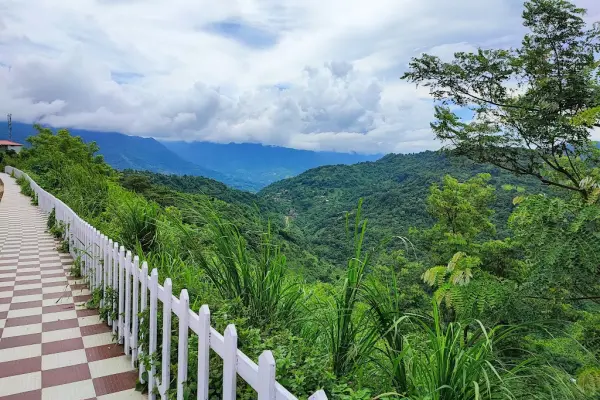
Hidden among the green mountains of southern Assam, Dima Hasao is a destination where mist-covered hills, waterfalls, forests, lakes and vibrant tribal cultures create a very different travel experience from the plains of Assam. Formerly known as North Cachar Hills, the district is one of Assam's most scenic hill regions and is home to Haflong, the only proper hill station of Assam.
Haflong, the district headquarters, sits high in the hills and offers pleasant weather, beautiful valleys and panoramic landscapes. Beyond Haflong, travelers can discover the mysterious birdwatching destination of Jatinga, the turquoise waters and rapids of Panimur Waterfall, the historic ruins of Maibang, the lake and golf course of Umrangso, and remote villages where traditional tribal cultures remain an important part of everyday life.
Dima Hasao is especially rewarding for travelers who enjoy nature, photography, culture, adventure, birdwatching, waterfalls and offbeat destinations. The district's 13 tribal communities also give it a remarkable cultural diversity, with each community preserving its own traditions, languages, customs, music and festivals.
History
Dima Hasao has a long history connected with the Dimasa Kachari Kingdom. The region was historically inhabited by the Dimasa Kacharis along with communities such as the Zeme Nagas, Hmars, Kukis, Hrangkhols and others.
During the British period, the hill region was administered differently from the plains. The area and adjoining Karbi Anglong were designated as partially excluded areas, reflecting the distinct social, cultural and customary systems of the hill communities.
Following India's independence, representatives from the hill communities sought an autonomous administrative arrangement to protect their traditional land rights, customs and way of life. In 1951, the United Mikir and North Cachar Hills district was created with autonomous councils.
The United Mikir and North Cachar Hills district was later divided in 1970 into Mikir Hills and North Cachar Hills. In 2010, North Cachar Hills was officially renamed Dima Hasao, a Dimasa term meaning “Dimasa Hills.”
The district continues to have a special administrative structure under the Sixth Schedule of the Constitution through the Dima Hasao Autonomous Council, formerly known as the North Cachar Hills Autonomous Council.
Geography
Dima Hasao is one of Assam's major hill districts and occupies an important geographical position between the Brahmaputra Valley and Barak Valley. The district is bounded by Nagaland and Manipur to the east, Meghalaya and the Barak Valley region to the south and west, and Hojai and Karbi Anglong to the north.
The Borail Range is one of the defining geographical features of the district. The terrain is predominantly mountainous, with deep valleys, forests, streams and waterfalls.
Thingthubung, at approximately 1,866 metres above sea level, is the tallest peak of the Borail Range and is located in Dima Hasao.
| Geographical Feature | Details |
|---|---|
| Region | Southern Assam / Northeast India |
| District Area | Approximately 4,888 sq. km |
| Main Headquarters | Haflong |
| Main Mountain Range | Borail Range |
| Highest Peak | Thingthubung – approximately 1,866 metres |
| Important River | Kopili River |
| Landscape | Hills, valleys, forests, lakes, rivers and waterfalls |
Haflong stands at approximately 966 metres above sea level. Its elevation gives the town a cooler climate than the plains, with pleasant summers and relatively cool winters.
Culture and Traditions
Dima Hasao is one of Assam's most culturally diverse regions. The district is home to 13 tribal groups, along with non-tribal communities including Assamese, Bengali and Nepali populations.
The major tribal communities include the Dimasa, Kuki, Zeme, Hmar and Karbi, along with Biate, Khelma, Hrangkhol and other communities. Each group has its own languages, traditional clothing, music, dances, food, rituals and festivals.
The Dimasa community has a particularly strong cultural presence in the district. Traditional rice-based food, weaving, music and community celebrations continue to form an important part of Dimasa cultural life.
The district's cultural identity can also be experienced through traditional festivals, village visits, indigenous handicrafts, ethnic cuisine and folk performances.
- Dimasa: Known for distinctive traditions, music, dance and festivals.
- Zeme Naga: Known for traditional village life, agriculture and cultural practices.
- Hmar: Known for vibrant community traditions, music and dance.
- Kuki: Known for rich traditions, weaving, music and community celebrations.
- Biate: Known for its distinctive cultural heritage and traditional lifestyle.
- Karbi: Known for traditional crafts, music, dance and agricultural practices.
Architecture
The architecture of Dima Hasao reflects its hill environment and diverse cultural history. Traditional tribal homes, bamboo structures, community spaces, Buddhist monasteries and historic Dimasa monuments can all be found across the region.
Maibang is particularly important for its historical architecture. Once the capital of the Dimasa Kingdom, it contains ancient stone structures, inscriptions and ruins associated with the former kingdom.
The Ramchandi Temple at Maibang is one of the most remarkable historic structures in the district. The temple was carved from a single stone and carries an inscription dating to 1761 CE.
Modern Haflong also has a distinctive hill-town character, with buildings spread across slopes and surrounded by mountains and greenery.
Famous Places
Haflong
Haflong is the headquarters of Dima Hasao and the only hill station of Assam. Located at around 966 metres above sea level, the town is surrounded by green hills and valleys and enjoys a pleasant climate.
Haflong is an ideal base for exploring the wider district and offers viewpoints, markets, cultural experiences and access to nearby attractions.
Haflong Lake
Haflong Lake is one of the most recognizable attractions in the district headquarters. The lake sits within the hill town and provides a peaceful setting for visitors looking for a relaxed outing and scenic photography.
The surrounding area is also useful for exploring Haflong town, local food and nearby cultural attractions.
Jatinga
Jatinga, located around 9 kilometres from Haflong, is famous worldwide for its unusual seasonal bird phenomenon. Migratory birds gather in the area during certain months, particularly between August and November.
The phenomenon was historically described as “bird suicide,” but modern explanations focus on the effects of weather, topography and artificial lights on birds. Bird killing has been banned, and the area is now better approached as a birdwatching destination and a place to learn about bird conservation.
Panimur Waterfall
Panimur is one of Dima Hasao's most spectacular natural attractions. Located on the Kopili River, the area is known for rapids and waterfalls where the water can appear turquoise or deep blue depending on the season.
Panimur is suitable for sightseeing, picnics, photography, camping and nature experiences. It also holds cultural importance for the Dimasa community, who traditionally take holy baths here during Magh Purnima.
Umrangso
Umrangso is the second-largest town in Dima Hasao and is known for its beautiful artificial lake created by the NEEPCO dam across the Kopili River.
The town is also famous for its 18-hole natural golf course and for the seasonal arrival of Amur Falcons. The surrounding hills and lake create an attractive setting for nature lovers.
Umrangso Golf Course
Umrangso Golf Course is a unique attraction surrounded by hills and greenery. Unlike conventional urban golf courses, this natural setting provides a memorable experience against the backdrop of the Dima Hasao landscape.
Maibang
Maibang is a historic town located approximately 50 kilometres from Haflong. It was once the capital of the Dimasa Kingdom and contains important ruins, stone inscriptions and ancient monuments.
The town combines history with beautiful mountain scenery and is one of the most important destinations for travelers interested in the heritage of Dima Hasao.
Ramchandi Temple
Ramchandi Temple at Maibang is an extraordinary historic monument carved from a single stone. The temple has two roof-like levels and carries an inscription dating to 1761 CE.
Its unusual construction makes it one of the most fascinating heritage sites in Dima Hasao.
Bendao Baglai Waterfalls
Bendao Baglai Waterfalls are located along the Abong River near Samparidisa, approximately 5 kilometres from the village. The waterfall is known for its scenic beauty and relatively peaceful surroundings.
It is a good choice for travelers looking for a quieter nature experience away from the more popular tourist locations.
Hajong Lake
Hajong Lake, also known as Hajong Tortoise Lake, is known as a habitat for rare varieties of hill terrapins. The lake and its surrounding landscape make it an interesting destination for wildlife enthusiasts and nature lovers.
Hangrum
Hangrum is a scenic hill destination located near the tri-junction of Assam, Nagaland and Manipur. It is surrounded by mountains, forests, streams and hilltop tribal settlements.
The remote setting makes Hangrum particularly appealing to travelers seeking offbeat destinations, photography opportunities and authentic rural landscapes.
Laisong
Laisong lies near the Assam-Nagaland border and is known as an important cultural centre of the Zeme Naga community. The surrounding hilltop villages provide an opportunity to experience traditional life amid a beautiful mountainous landscape.
Thuruk
Thuruk is a high-altitude settlement known for its cool climate. The area's elevation and surrounding hills can produce noticeably lower temperatures than the plains of Assam, making it an interesting destination for travelers seeking a cooler hill environment.
Jatinga Ethnic Village
Jatinga Ethnic Village provides visitors with an opportunity to learn more about the local communities and cultural traditions of Dima Hasao. It can be combined with a visit to the Jatinga birdwatching area.
Famous Dishes
Dima Hasao's cuisine is strongly connected with its tribal communities and mountain environment. Food varies between communities, but rice, vegetables, herbs, fish and locally available meats form an important part of traditional meals.
Judima
Judima is a traditional Dimasa rice-based fermented beverage and one of the best-known cultural products of Dima Hasao. It is deeply connected with Dimasa hospitality and traditional celebrations. Judima has also received a Geographical Indication (GI) tag.
Rice-Based Dimasa Meals
Rice is a staple of traditional Dimasa food. It is commonly accompanied by vegetables, herbs, fish and meat prepared with simple cooking techniques that highlight local ingredients.
Local Bamboo-Shoot Preparations
Bamboo shoots are used in many traditional cuisines of Northeast India and can be found in the food traditions of Dima Hasao. Their distinctive sour and earthy flavour pairs well with vegetables, fish and meat.
Smoked Meat
Smoked meat is a traditional preparation found in several communities across the Northeast. The smoking process helps preserve meat while giving it a distinctive flavour.
Local Greens and Forest Vegetables
Traditional meals often make use of locally available leafy vegetables, herbs and seasonal forest produce. These ingredients reflect the close relationship between the region's cuisine and its natural environment.
Rice Cakes and Traditional Snacks
Traditional rice-based snacks and cakes are prepared during festivals and community gatherings. Recipes vary among communities, making local food experiences particularly interesting for travelers.
Famous Personalities
Joynacharan Bathari
Joynacharan Bathari is a respected Dimasa folk musician from Dima Hasao. Born in Jorai Bathari village, he devoted his life to preserving and promoting Dimasa folk music and traditional instruments. In 2025, he received the Padma Shri for his contribution to art and traditional folk music.
Gobinda Chandra Langthasa
Gobinda Chandra Langthasa was a prominent political leader from Dima Hasao who represented Haflong and served in several important public positions, including Deputy Chief Minister and Cabinet Minister of Assam. His long public career made him an important figure in the political history of the hill district.
Joya Thaosen
Joya Thaosen is remembered for her role in the anti-British movement in the North Cachar Hills during the Second World War period. Historical accounts describe her as one of the young local activists who opposed wartime forced grain collection and later became associated with the Indian National Army movement.
Jamchonga Nampui
Jamchonga Nampui was a pioneering civil servant associated with the tribal communities of present-day Dima Hasao. He became one of the earliest tribal officers from Assam to reach senior positions in the Indian administrative system and later served as Chief Secretary of Meghalaya and Assam.
Festivals
Busu Dima Festival
Busu Dima is one of the most important festivals of the Dimasa community. It is associated with the harvest season and is celebrated with traditional music, dance, food and community gatherings.
The festival provides an excellent opportunity for visitors to experience Dimasa cultural traditions in an authentic setting.
Judima Festival
Judima Festival is held in Haflong and celebrates Dimasa culture through the traditional rice beverage Judima. The festival features music, dance, local cuisine, craft exhibitions and cultural activities.
Falcon Festival
Falcon Festival is held in Umrangso to celebrate the seasonal arrival of Amur Falcons. The event combines bird conservation and environmental awareness with local tribal music, food and cultural activities.
Jatinga Festival
Jatinga Festival highlights the cultural and natural heritage of Jatinga. The festival is associated with the area's birdwatching importance and provides a platform for local culture, tourism and environmental awareness.
Grand Holy Bath Festival
Grand Holy Bath traditions at Panimur are associated with the Dimasa community and take place around Magh Purnima. The Kopili River and its waterfalls become an important pilgrimage and cultural gathering point.
Bihu
Bihu is celebrated across Assam and is also observed in Dima Hasao. The festival adds Assamese music, dance, food and community celebrations to the district's already diverse cultural calendar.
Things to Do
Dima Hasao is ideal for travelers who prefer experiences over conventional sightseeing. Some of the best things to do include:
- Explore Haflong: Walk around Assam's only hill station and enjoy its mountain scenery.
- Visit Haflong Lake: Spend a relaxed morning or evening around the lake.
- Go birdwatching at Jatinga: Visit during the seasonal bird congregation period and learn about conservation.
- Explore Panimur: See the waterfalls and rapids of the Kopili River.
- Discover Maibang: Explore the historic former capital of the Dimasa Kingdom.
- Visit Ramchandi Temple: See the unusual monolithic temple carved from a single rock.
- Experience Umrangso: Enjoy the lake, hills, golf course and surrounding scenery.
- Explore tribal culture: Learn about Dimasa, Zeme Naga, Hmar, Kuki, Biate and other communities.
- Try local cuisine: Experience traditional rice-based food and regional ingredients.
- Go nature photography: Capture misty hills, waterfalls, forests, lakes and village landscapes.
- Visit during a festival: Plan around Busu Dima, Judima Festival or Falcon Festival for a deeper cultural experience.
- Explore offbeat villages: Consider Hangrum, Laisong and Thuruk for a quieter mountain experience.
Where to Eat, Shop, and Stay
Where to Eat
Haflong is the most convenient place for travelers to find restaurants and local eateries. Food options include Assamese meals, North-Eastern dishes, rice-based preparations and simple local cuisine.
| Food Experience | What to Try |
|---|---|
| Dimasa Cuisine | Rice-based meals, local vegetables, meat and traditional preparations |
| Traditional Drinks | Judima, where legally and culturally appropriate |
| Local Ingredients | Bamboo shoots, herbs and seasonal vegetables |
| Assamese Food | Rice, fish, dal, vegetables and traditional Assamese dishes |
Where to Shop
Shopping in Dima Hasao is more about discovering local culture and handmade products than visiting large commercial shopping centres.
- Traditional handwoven textiles
- Tribal clothing and accessories
- Bamboo and cane products
- Local handicrafts
- Traditional musical instruments
- Packaged local food products
- Locally made cultural souvenirs
Where to Stay
Haflong is the best base for most visitors. The district administration lists several hotels, lodges, guest houses and homestays in and around Haflong, while Jatinga also has tourist accommodation.
| Stay Type | Best For |
|---|---|
| Budget Hotel | Backpackers and economical trips |
| Mid-Range Hotel | Families and couples |
| Guest House | Short stays and budget travelers |
| Homestay | Travelers interested in local culture |
| Eco / Nature Stay | Nature and offbeat experiences |
Accommodation options are more limited than in larger Assam cities, so booking ahead is recommended during festivals, holidays and peak tourism periods.
What is Dima Hasao Famous For?
Dima Hasao is famous for its hills, Haflong hill station, Jatinga, Panimur Waterfall, tribal cultures, Maibang heritage and Umrangso landscapes.
- Haflong: The only hill station of Assam.
- Jatinga: Famous for its seasonal bird congregation.
- Panimur: Known for waterfalls and blue-green Kopili River waters.
- Maibang: Historic capital of the Dimasa Kingdom.
- Umrangso: Famous for its lake, golf course and Amur Falcon visits.
- Tribal Culture: Home to 13 tribal communities.
- Judima: Traditional Dimasa rice beverage with GI status.
- Thingthubung: Highest peak of the Borail Range in the district.
- Waterfalls and Forests: Numerous scenic natural attractions.
Best Time to Visit
Dima Hasao has a cooler climate than the plains of Assam, making it attractive for much of the year. However, the district administration identifies February to April and September to November as particularly favourable periods.
| Season | Experience | Recommendation |
|---|---|---|
| February–April | Pleasant weather, hills, culture and outdoor sightseeing | Excellent |
| May | Green landscapes but warmer conditions | Good |
| June–August | Heavy monsoon, waterfalls and lush greenery | Use caution |
| September–November | Jatinga birdwatching and pleasant hill weather | Excellent |
| December–January | Cool weather and cultural festivals | Very Good |
Travelers should be particularly cautious during the peak monsoon because heavy rain can cause landslides, road disruptions and difficult mountain travel.
How to Reach
By Air
Dima Hasao does not have a major commercial airport. Travelers can fly to Silchar Airport or Guwahati Airport and continue by road.
Haflong is approximately 103 kilometres from Silchar by road and approximately 330–333 kilometres from Guwahati, although actual travel time can vary considerably depending on road, traffic and weather conditions.
By Train
Rail is one of the most interesting ways to reach Dima Hasao because the railway passes through the scenic hill terrain. The district has several railway stations and trains operate towards destinations including Guwahati and Silchar.
By Road
Dima Hasao is connected by road with Guwahati, Silchar and Lanka. Buses, shared vehicles, Tata Sumos, Force vehicles, taxis and other local transport options are available.
| Travel Mode | Recommended Route | Best For |
|---|---|---|
| Air + Road | Silchar Airport → Haflong | Travelers arriving from other cities |
| Air + Road | Guwahati Airport → Haflong | More flight options |
| Train | Guwahati/Silchar → Dima Hasao railway stations | Scenic and economical travel |
| Road | Guwahati/Silchar/Lanka → Haflong | Flexible regional travel |
Nearby Places
Silchar
Silchar is the major urban centre of the Barak Valley and one of the most practical gateways to Dima Hasao. It is useful for travelers arriving by air and continuing towards Haflong by road.
Maibang
Maibang is one of the most important nearby destinations for understanding the history of the Dimasa Kingdom. Its ruins, stone monuments and Ramchandi Temple make it a worthwhile cultural excursion.
Umrangso
Umrangso is ideal for travelers interested in lakes, hills, nature, golf and Amur Falcon conservation. It is located approximately 120 kilometres from Haflong.
Panimur
Panimur is a scenic destination on the Kopili River, known for its waterfalls, rapids and striking seasonal water colours.
Jatinga
Jatinga is one of the easiest excursions from Haflong and can be visited as a half-day trip. Its seasonal bird congregation makes it particularly interesting for birdwatchers.
Hangrum
Hangrum is an offbeat mountain destination near the Assam-Nagaland-Manipur tri-junction. Its forests, streams and hill villages make it suitable for travelers seeking remote landscapes.
Laisong
Laisong is a cultural destination associated with the Zeme Naga community and is known for its scenic hilltop settlements.
Best Duration for a Trip
A short trip can cover Haflong and Jatinga, while a longer journey is recommended if you want to explore the wider district.
| Duration | Suggested Experience |
|---|---|
| 1 Day | Haflong town, Haflong Lake and local sightseeing |
| 2 Days | Haflong + Jatinga + cultural experiences |
| 3 Days | Haflong + Jatinga + Maibang or nearby waterfalls |
| 4–5 Days | Haflong + Jatinga + Maibang + Panimur/Umrangso |
| 5–7 Days | Full Dima Hasao exploration including offbeat villages and nature destinations |
Travel Tips
- Plan your trip around February–April or September–November for generally favourable conditions.
- Check weather and road conditions before travelling during the monsoon.
- Mountain roads can be winding, so allow extra travel time between destinations.
- Carry warm clothing, particularly during winter and for higher-altitude villages.
- Comfortable walking shoes are essential for waterfalls, viewpoints and village exploration.
- Carry rain protection because weather can change quickly in the hills.
- Keep cash with you when travelling to remote villages where digital payment facilities may be limited.
- Book accommodation in advance during festivals and peak travel periods.
- Respect local tribal customs, traditions and community spaces.
- Ask permission before photographing people, homes, ceremonies or cultural performances.
- Do not disturb birds or wildlife at Jatinga or other natural attractions.
- Follow local conservation guidelines when visiting forests, lakes and waterfalls.
- At religious sites, dress modestly and follow local customs.
- For remote destinations such as Hangrum, Laisong and Thuruk, arrange transport and local guidance in advance.
- Do not rely entirely on online maps in remote mountainous areas; confirm directions locally when necessary.
Why Visit Dima Hasao?
Dima Hasao is one of Assam's best destinations for travelers looking beyond the traditional plains and tea-garden experience. The district offers a combination of mountains, forests, waterfalls, lakes, wildlife and living tribal cultures that is difficult to find together elsewhere in the state.
Haflong provides a peaceful hill-station experience, while Jatinga offers an unusual birdwatching story, Maibang introduces visitors to the history of the Dimasa Kingdom and Panimur showcases the dramatic beauty of the Kopili River.
For cultural travelers, the district provides an opportunity to experience the traditions of numerous tribal communities. Festivals such as Busu Dima and Judima bring music, dance, food and community traditions together in a way that makes the destination particularly memorable.
Dima Hasao is also ideal for travelers who enjoy photography, trekking, birdwatching, waterfalls, village tourism and offbeat road journeys.
Conclusion
Dima Hasao is a beautiful mountain destination where Assam's natural and cultural diversity can be experienced at its most distinctive. From the cool slopes of Haflong and the mysterious birdwatching landscape of Jatinga to the waterfalls of Panimur, the heritage of Maibang and the lake-filled hills of Umrangso, every part of the district offers something different.
Its greatest attraction, however, is the combination of nature and culture. The mountains are not simply scenic backgrounds; they are home to communities that have preserved their languages, traditions, music, food and customs for generations.
If you are looking for an offbeat Northeast India destination filled with misty hills, waterfalls, wildlife, history and authentic tribal culture, Dima Hasao deserves a place on your travel list.
"Travel is the only thing you buy that makes you richer."