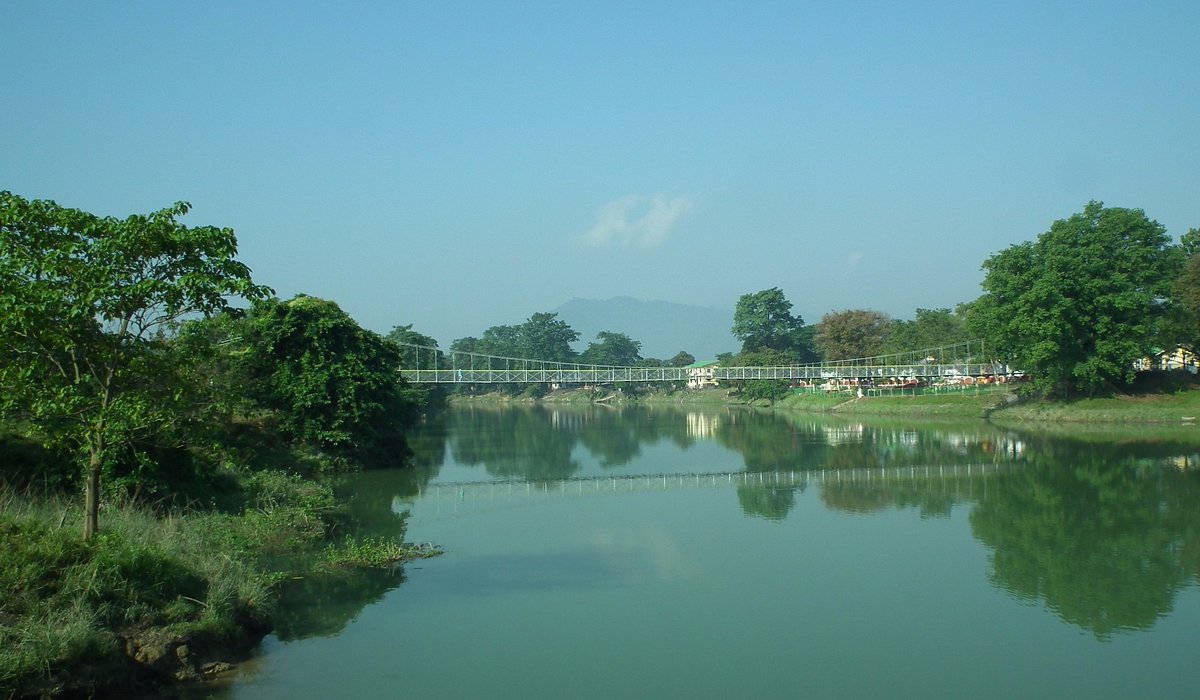
Kamrup – Where Ancient Heritage Meets Assam's Living Culture
Kamrup is one of Assam's most historically and culturally significant regions. Located in the western part of the state, the present Kamrup district has its headquarters at Amingaon and stretches across fertile plains, river valleys, forests and foothill landscapes. The district is particularly known for its ancient heritage, religious sites, traditional communities, silk weaving, historic battlefields and scenic natural attractions.
From the sacred landscape of Hajo and the world-famous silk traditions of Sualkuchi to the archaeological ruins of Madan Kamdev and the peaceful waters of Chandubi, Kamrup offers travellers a fascinating combination of history, spirituality, craftsmanship, nature and Assamese culture.
| Quick Facts | Details |
|---|---|
| State | Assam |
| District Headquarters | Amingaon |
| Area | Approximately 2,740.74 sq. km. |
| Major River | Brahmaputra |
| Other Important Rivers | Puthimari, Bornoi, Nona, Kulsi, Pagladiya and Kalajal |
| Known For | Hajo, Sualkuchi silk, Madan Kamdev, Chandubi and historic heritage |
| Best Time to Visit | October to April |
History
The history of Kamrup goes back to ancient times. The region was historically known as Kamarupa and appears in several ancient literary and historical traditions. The name Pragjyotishpur is also closely connected with the ancient history of the region.
Ancient Kamarupa developed into a major kingdom of the Brahmaputra Valley and was ruled by several dynasties. One of the best-documented periods begins with the reign of Kumar Bhaskar Varma in the 7th century AD. During his reign, the Chinese traveller Xuanzang visited Kamarupa and recorded observations about the kingdom.
Kamrup also played an important role during the conflicts between the Ahoms and the Mughals. The area around Amingaon and present-day Kamrup witnessed important military events connected with the defence of Assam.
The Battle of Alaboi in 1669 and the later Battle of Saraighat in 1671 became important chapters in Assam's history. The Ahom forces under Lachit Borphukan successfully resisted Mughal expansion.
During the British period, the historic Kamrup region formed a much larger administrative area. Over time, the original district was divided into several present-day districts. The modern Kamrup district was created on 31 March 2003, with Amingaon as its headquarters.
Geography
Kamrup is located in western Assam. The district is bordered by Udalguri and Baksa districts towards the north, Meghalaya towards the south, Darrang and Kamrup Metropolitan towards the east, and Goalpara and Nalbari towards the west.
The Brahmaputra River is the most important geographical feature of the region. Other significant rivers include the Puthimari, Bornoi, Nona, Kulsi, Pagladiya and Kalajal.
The landscape changes from broad river plains to hills, forests, wetlands and rural agricultural areas. This geographical diversity contributes to Kamrup's rich natural and cultural character.
Culture and Traditions
Kamrup has a diverse cultural identity shaped by Assamese traditions and several communities living across the district. Agriculture, weaving, religious traditions, folk music and community celebrations remain important parts of local life.
Namghars and satras play an important role in the religious and cultural life of many Assamese communities. Traditional forms of music include Bihu songs, devotional songs, marriage songs and folk ballads.
The district is also famous for the cultural traditions of Sualkuchi, where silk weaving has been passed down through generations. The rhythmic sound of hand-operated looms is an important part of the village's identity.
Architecture
Hajo's Temple Architecture
Hajo is known for its historic temples and religious structures. The Hayagriva Madhava Temple, Kedar Temple, Kameswar Temple and other sacred sites represent the region's long religious history.
Madan Kamdev
The ruins of Madan Kamdev provide an important example of medieval temple architecture and stone sculpture. The surviving sculptures, pillars and architectural fragments reflect the artistic traditions of medieval Kamarupa.
Satras and Namghars
Satras and namghars are important architectural and cultural spaces associated with Assam's Neo-Vaishnavite tradition. They serve not only as religious institutions but also as centres of community life, music and cultural preservation.
Traditional Weaving Houses of Sualkuchi
Sualkuchi's traditional houses and weaving workshops are closely connected with the village's silk industry. Many homes have hand-operated looms where artisans produce traditional Assamese textiles.
Famous Places
Hajo
Hajo is one of Kamrup's most important cultural and religious destinations. Located near the Brahmaputra, it is famous for bringing together important Hindu, Muslim and Buddhist places of worship. The Hayagriva Madhava Temple and Poa Macca are among its best-known attractions.
Sualkuchi
Known as the Manchester of Assam, Sualkuchi is one of the world's major traditional weaving villages. It is particularly famous for Assamese Muga, Paat and Eri silk. Visitors can see traditional looms and observe artisans creating intricate designs.
Madan Kamdev Temple
Madan Kamdev is an important archaeological site located near Baihata Chariali. The ruins date broadly to the 10th to 12th centuries and are associated with the medieval Kamarupa region. Stone sculptures, temple ruins and decorative architectural elements make the site particularly interesting for history and architecture enthusiasts.
Chandubi
Chandubi is a natural lagoon and scenic picnic destination surrounded by green landscapes. Visitors can enjoy the peaceful environment and activities such as boating and fishing. It is located approximately 64 km from Guwahati.
Saraighat War Memorial Park
The Saraighat War Memorial Park commemorates the historic Battle of Saraighat and the Assamese resistance against Mughal expansion. It is a place of interest for travellers wanting to understand the military history of Assam.
Doul Govinda Temple
The Doul Govinda Temple is an important religious site in the Kamrup region. Its association with religious traditions and festivals makes it a notable cultural destination.
Hayagriva Madhava Temple
Located in Hajo, the Hayagriva Madhava Temple is one of Assam's important historic temples. Hajo is particularly notable for its multi-faith religious landscape, making the temple part of a wider story of cultural interaction.
Poa Macca
Poa Macca is an important Muslim pilgrimage site in Hajo. Together with the area's Hindu and Buddhist sacred sites, it contributes to Hajo's reputation as a place of religious coexistence.
Chamaria Satra
Chamaria is an important centre of Assam's Neo-Vaishnavite tradition. The satra represents the continuing influence of Vaishnavite culture, devotional practices and community traditions in Kamrup.
Sri Sri Auni Aatiya Satra
Sri Sri Auni Aatiya Satra is one of the cultural and religious institutions highlighted among Kamrup's places of interest. It provides visitors with an opportunity to understand Assam's satra tradition.
Famous Dishes
Gur Diya Narikolor Laru
Gur Diya Narikolor Laru is a traditional Assamese sweet prepared using scraped coconut and jaggery syrup. It is especially associated with Assamese festivals such as Magh Bihu and Rongali Bihu.
Pitha
Pitha is an important part of Assamese food culture. Different varieties are prepared using rice and other local ingredients and are particularly popular during festivals and family celebrations.
Maasor Tenga
Maasor Tenga is a traditional Assamese fish preparation known for its light and tangy flavour. It is commonly enjoyed with steamed rice.
Aloo Pitika
Aloo Pitika is a simple Assamese preparation made from mashed potatoes, often combined with onion, green chilli and herbs. It is a popular accompaniment to rice-based meals.
Assamese Silk Village Food Experience
Visitors exploring Sualkuchi can combine their visit to traditional weaving workshops with a taste of local Assamese food and snacks, making the experience both cultural and culinary.
Famous Personalities
Lachit Borphukan
Lachit Borphukan is one of Assam's most celebrated historical military leaders. He led the Ahom forces during the conflict with the Mughals and played a central role in the Battle of Saraighat in 1671.
Gopinath Bordoloi
Gopinath Bordoloi, Assam's first Chief Minister after independence, had a strong connection with Kamrup. He was from North Guwahati in the district and became an important figure in Assam's political history.
Bishnu Ram Medhi
Bishnu Ram Medhi was a prominent Assamese political leader and the second Chief Minister of Assam. He was born in Hajo and later served as Governor of Madras State.
Anundoram Borooah
Anundoram Borooah, born in North Guwahati, was a distinguished Assamese scholar and became the first Assamese Indian Civil Service officer during the British period.
Mahendra Mohan Choudhury
Mahendra Mohan Choudhury was another notable Assamese political figure associated with Hajo. He later became a Governor of Punjab and is remembered among the prominent personalities connected with Kamrup.
Festivals
Bihu
Bihu is the most important festival tradition of Assam and is widely celebrated across Kamrup. Rongali Bihu, Bhogali Bihu and Kati Bihu are connected with different stages of the agricultural cycle and are celebrated with music, dance, food and community gatherings.
Raas Mahotsava
Raas Mahotsava is celebrated with particular enthusiasm in Sualkuchi. The festival adds a vibrant cultural atmosphere to the traditional weaving village and attracts visitors interested in Assamese religious and cultural traditions.
Doul Yatra
Doul Yatra is another important festival celebrated in Sualkuchi with traditional religious and cultural activities.
Durga Puja
Durga Puja is celebrated across communities in Kamrup with religious ceremonies, cultural activities and community gatherings.
Me-Dam-Me-Phi
Me-Dam-Me-Phi is an important Tai-Ahom ancestor-worship festival. It reflects the continuing presence of Ahom cultural traditions in Assam.
Things to Do
- Explore Hajo: Visit its historic temples and sacred sites representing different religious traditions.
- Discover Sualkuchi: Walk through the weaving village and watch artisans work on traditional handlooms.
- Admire Assamese Silk: Explore Muga, Paat and Eri silk products and learn about traditional weaving.
- Visit Madan Kamdev: Explore the archaeological ruins and medieval stone sculptures.
- Relax at Chandubi: Enjoy the natural lagoon, greenery and peaceful surroundings.
- Explore Satras: Learn about Assam's Neo-Vaishnavite cultural and religious traditions.
- Try Local Food: Taste Assamese dishes and traditional sweets such as Gur Diya Narikolor Laru.
- Explore Historical Sites: Discover places associated with the battles and heritage of medieval Assam.
- Photography: Capture river landscapes, traditional architecture, silk weaving and rural Assam.
Where to Eat, Shop, and Stay
Where to Eat
Travellers can find local eateries and restaurants around major towns and market areas of Kamrup. For a regional food experience, try traditional Assamese rice-based meals, fish preparations, pitha and local sweets.
Where to Shop
Sualkuchi is the main shopping destination for travellers interested in Assamese silk. Visitors can look for Muga, Paat and Eri silk products, including traditional Assamese garments and handwoven textiles.
Local markets across Kamrup are also useful for discovering traditional food products, handicrafts and everyday Assamese goods.
Where to Stay
Amingaon and the surrounding areas provide access to the district's administrative and transport facilities. For travellers visiting Hajo and Sualkuchi, staying in or around Guwahati can also be practical, especially for short day trips.
For a longer Kamrup itinerary, travellers should choose accommodation according to the attractions they plan to visit and confirm availability in advance during festival periods.
What is Kamrup Famous For?
- Hajo: A major multi-faith pilgrimage destination.
- Sualkuchi: Famous for Assamese silk and traditional weaving.
- Madan Kamdev: Medieval archaeological ruins and stone sculptures.
- Chandubi: Natural lagoon and scenic surroundings.
- Ancient Kamarupa: Deep historical and cultural heritage.
- Battle of Saraighat: Important chapter in Assam's military history.
- Traditional Assamese Culture: Bihu, satras, namghars, music and folk traditions.
- Assamese Silk: Especially Muga, Paat and Eri.
Best Time to Visit
October to April – Best Overall Period
The period from October to April is generally considered the most comfortable time to explore Kamrup. The weather is more suitable for sightseeing, heritage tours, cultural experiences and outdoor activities.
Winter – November to February
Winter offers pleasant conditions for exploring Hajo, Sualkuchi, Madan Kamdev and other outdoor attractions. It is also a good period for combining several destinations in a single itinerary.
Festival Periods
Travelling during Bihu and other local festivals can provide a more immersive cultural experience. Sualkuchi is particularly interesting during festivals such as Raas Mahotsava and Doul Yatra.
How to Reach
By Air
The nearest major airport is Lokpriya Gopinath Bordoloi International Airport in Guwahati. The Kamrup district headquarters at Amingaon is approximately 15 km from the airport.
By Train
Guwahati Railway Station is approximately 16 km from the district headquarters at Amingaon. Rangia Railway Station is another important railway connection, around 40 km from Amingaon.
By Road
Kamrup has good road connectivity with Guwahati and other parts of Assam. Buses and taxis are available from Guwahati, Rangia, Mangaldoi and other nearby destinations. National highways and regional roads connect the district's major towns and tourist areas.
Nearby Places
Guwahati
Guwahati is the major urban centre near Kamrup and an important gateway to Assam and the Northeast. It also provides extensive accommodation, transport and dining options for travellers exploring the surrounding region.
Sualkuchi
The famous silk-weaving village is a must-visit for travellers interested in traditional Assamese craftsmanship and textiles.
Hajo
Hajo is a historic pilgrimage destination known for its Hindu, Muslim and Buddhist religious heritage.
Chandubi
Chandubi offers a peaceful natural setting around a lagoon surrounded by green landscapes and hills.
Madan Kamdev
The archaeological site provides an opportunity to explore the medieval heritage and stone sculpture traditions of ancient Kamarupa.
Best Duration for a Trip
| Trip Duration | Suggested Experience |
|---|---|
| 1 Day | Choose either Hajo + Sualkuchi or Madan Kamdev + nearby attractions. |
| 2 Days / 1 Night | Explore Hajo, Sualkuchi, Madan Kamdev and selected cultural attractions. |
| 3 Days / 2 Nights | Explore heritage, silk villages, religious sites, Chandubi and local cultural experiences at a relaxed pace. |
Travel Tips
- Plan your route in advance because Kamrup is a large district with attractions spread across different areas.
- October to April is generally more comfortable for sightseeing.
- Carry comfortable clothing and footwear for temple, heritage and outdoor visits.
- Dress respectfully when visiting temples, satras, mosques and other religious sites.
- Remove footwear where required at religious places.
- Ask permission before photographing people, religious ceremonies or artisans at work.
- When buying silk in Sualkuchi, ask about the fabric type and weaving details before purchasing.
- Keep some flexibility in your itinerary during periods of heavy rain.
- Carry drinking water and basic travel essentials when visiting rural and nature destinations.
- Respect local traditions and the cultural practices of different communities.
Why Visit Kamrup?
Kamrup brings together some of the most distinctive experiences of Assam in one region. Its ancient history connects travellers with the kingdom of Kamarupa, while Hajo demonstrates the coexistence of different religious traditions. Sualkuchi preserves Assam's famous silk-weaving heritage, and Madan Kamdev offers a glimpse into the region's medieval architectural and artistic traditions.
Beyond its heritage, Kamrup also offers rivers, forests, lagoons, rural landscapes and traditional food. The combination makes the district an excellent choice for travellers who want to experience Assam beyond the major urban centres.
Conclusion
Kamrup is a destination where Assam's ancient history and living traditions come together. From the sacred hills of Hajo and the silk looms of Sualkuchi to the archaeological remains of Madan Kamdev and the natural beauty of Chandubi, the region offers a varied travel experience.
Its historic battles, traditional festivals, religious institutions, indigenous crafts and diverse landscapes make Kamrup an important part of Assam's cultural story. For travellers interested in history, heritage, spirituality, craftsmanship, nature and authentic Assamese culture, Kamrup offers plenty to discover.
"Travel is the only thing you buy that makes you richer."