Hojai: Assam’s Hidden Blend of History, Culture and Nature
Hojai is a fascinating destination in Assam where ancient heritage, rural landscapes and diverse cultures come together. Known for its archaeological sites, agricultural traditions and scenic surroundings, the region offers travellers a chance to discover a quieter side of Assam.
From ancient temple ruins and heritage sites to local food, traditional crafts and the peaceful landscapes of the Kapili and Jamuna valleys, Hojai, Assam is an interesting destination for travellers looking for history, culture and offbeat experiences.
History
Hojai has a long and fascinating history rooted in the ancient Kapili-Jamuna valley. Historical and archaeological evidence suggests that the region was once associated with the ancient Kapili Valley Kingdom and later came under the influence of the Kacharis and Ahoms. Temple ruins, inscriptions and ancient remains found around Hojai provide glimpses into its rich past.
The name Hojai is believed to have a connection with the Dimasa community, whose priestly class was traditionally known as “Hoja” or “Hojaisa”. In modern times, Hojai was part of Nagaon district before becoming a separate district on 15 August 2016.
Today, the region's ancient archaeological sites and diverse communities continue to make Hojai, Assam an interesting destination for travellers interested in history and heritage.
Geography
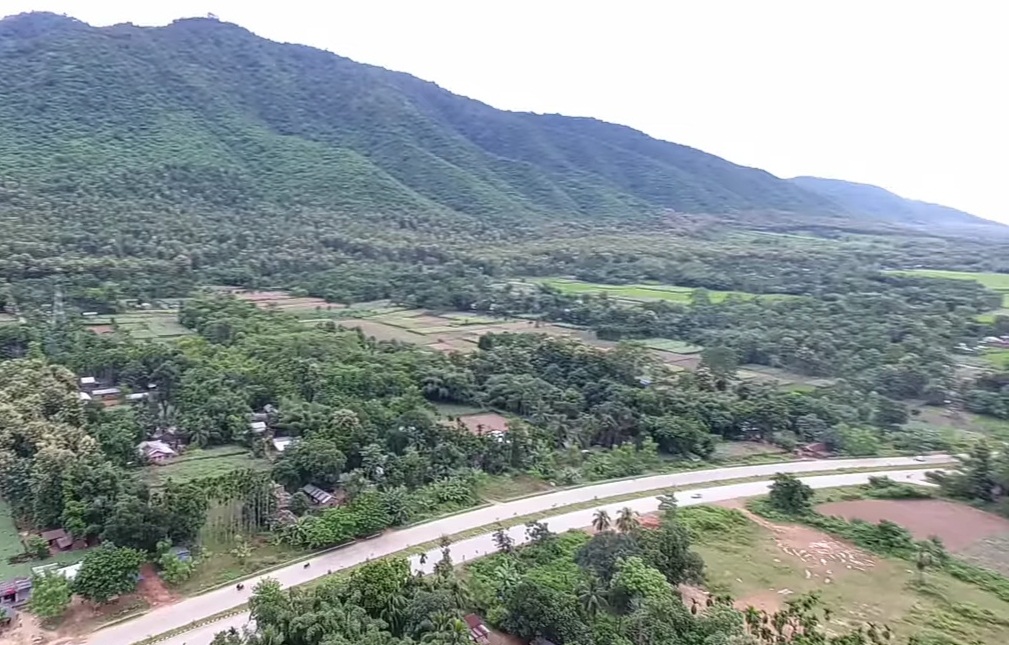
Hojai is located in the central part of Assam and covers an area of about 1,685 sq. km. The district lies south of Nagaon and is surrounded by Karbi Anglong, West Karbi Anglong and Dima Hasao. Its landscape includes fertile plains and river valleys.
The Kapili, Jamuna and Nikhari rivers are important geographical features of the region, supporting agriculture and shaping the local landscape. Hojai is also known for its agricultural character and its location close to the hill regions of Assam.
Quick Geography Facts
| Feature | Details |
| State | Assam |
| Region | Central Assam |
| Headquarters | Srimanta Sankardev Nagar, Hojai |
| Area | 1,685 sq. km |
| Major Rivers | Kapili, Jamuna and Nikhari |
| Landscape | River valleys, plains and nearby hills |
With its fertile plains, rivers and proximity to the Karbi Anglong and Dima Hasao hills, Hojai, Assam offers a diverse natural setting for travellers exploring central Assam.
Culture and Traditions
The culture of Hojai, Assam reflects the region’s diverse communities, languages and traditions. People from different cultural backgrounds live together, creating a vibrant local identity shaped by Assamese customs and indigenous heritage.
Local Culture
- Languages: Assamese, Bengali and other local languages are commonly spoken across the region.
- Traditional Lifestyle: Agriculture and village life remain an important part of the local way of life.
- Religious Traditions: Different communities celebrate their religious and cultural occasions with traditional rituals, music and gatherings.
- Local Crafts: Handloom and handicraft traditions contribute to the cultural character of Hojai.
Festivals, local food, traditional practices and community celebrations make Hojai an interesting destination for travellers who want to experience the diverse cultural side of Assam.
Architecture
The architecture of Hojai, Assam reflects the region’s religious heritage and historical past. Rather than being known for grand palaces, Hojai is more notable for its temples, archaeological remains and traditional structures connected with the area's ancient communities.
Important Architectural and Heritage Features
- Archaeological Remains: Ancient temple ruins, inscriptions and other historical remains found in the region offer glimpses into Hojai’s early history.
- Religious Structures: Temples and other places of worship reflect the diverse religious traditions of the local communities.
- Traditional Settlements: Rural homes and village landscapes showcase the simple architectural style associated with everyday life in Assam.
For travellers interested in history, heritage and traditional architecture, exploring the old sites and religious landmarks around Hojai offers a closer look at the cultural character of this part of Assam.
Famous Places in Hojai
Hojai, Assam is known for its remarkable collection of archaeological sites, ancient temple remains and religious landmarks. History and heritage lovers can explore several lesser-known places across the district.
Rajbari Archaeological Site
The Rajbari Archaeological Site features the remains of several Shiva temples within a large brick-built enclosure. It is one of the important heritage sites in Hojai and offers a glimpse into the region’s ancient temple architecture.
Akashiganga Archaeological Site
Surrounded by forests and rocky landscapes, Akashiganga is known for its ancient temple ruins and a scenic waterfall. The combination of archaeology and natural beauty makes it one of the more interesting places to visit in Hojai.
Sankhadevi Archaeological Site
Located near the Kapili River, the Sankhadevi Archaeological Site contains remains of ancient stone temples, including carved architectural fragments associated with a temple dedicated to Goddess Durga.
R.M. Nath Archaeological Park
Situated in Hojai town, this archaeological park displays stone temple relics collected from Hojai and neighbouring areas. It is also conveniently located about 600 metres from Hojai Railway Station, making it easy to include in a local sightseeing plan.
Devasthan Archaeological Site
The Devasthan Archaeological Site contains brick temple mounds and stone remains dating broadly from the 8th to 12th centuries CE. The site offers another fascinating insight into Hojai’s ancient heritage.
Chamunda Mandir, Nabhanga
The Sri Sri Chamunda Kali Mandir at Nabhanga is an important religious attraction listed among Hojai’s places of interest. It adds a spiritual dimension to the district’s heritage tourism.
Together, these sites make Hojai an interesting destination for travellers who want to explore the lesser-known history, archaeology and cultural heritage of Assam.
Famous Dishes of Hojai
The food culture of Hojai, Assam reflects the wider culinary traditions of the state, with rice, fish, vegetables and simple, locally sourced ingredients forming an important part of everyday meals. Assam Tourism describes traditional Assamese cuisine as lightly spiced and rich in fresh herbs and local produce.
Masor Tenga
Masor Tenga is a light and tangy Assamese fish curry, usually prepared with ingredients such as tomato, lemon or elephant apple. It is traditionally enjoyed with steamed rice.
Khar
Khar is a traditional Assamese alkaline preparation and an important part of a classic Assamese meal. It is known for its distinctive flavour and is commonly prepared using vegetables or other local ingredients.
Aloo Pitika
Aloo Pitika is a simple mashed-potato dish mixed with ingredients such as onion, green chilli and mustard oil. Served with rice and dal, it is a comforting part of traditional Assamese food.
Pitha
Pitha refers to a variety of traditional Assamese rice-based snacks, including sweet and savoury preparations. Popular varieties such as Til Pitha and Ghila Pitha are especially associated with festivals like Bihu.
Assamese Thali
An Assamese Thali offers a broader taste of the region, typically combining rice, dal, vegetables, fish or meat, khar, tenga and other local accompaniments. It is a good choice for travellers who want to experience several flavours in one meal.
For food lovers, trying traditional Assamese dishes is a great way to experience the local culture and flavours of Hojai. The official Hojai district portal also maintains a dedicated section for local culinary delights.
Famous Personalities of Hojai
Hojai has been associated with several notable personalities from Assam’s literary, cultural and public life. However, reliable district-level sources do not provide a comprehensive list of personalities specifically connected with Hojai. To keep the travel blog accurate, it is better to mention only figures with a well-established connection rather than adding unsupported names.
Abdul Hamid
Abdul Hamid was a respected social and public figure associated with the Hojai region. His contribution to local community life forms part of the social history of Hojai, Assam.
Local Literary and Cultural Figures
Hojai also has a strong connection with Assamese and Bengali literary traditions, along with diverse local communities that have contributed to the region's cultural identity. Local writers, artists, educators and community leaders continue to play an important role in preserving the area's heritage.
For visitors, exploring Hojai's archaeological sites, religious landmarks and local cultural traditions offers a better understanding of the people and heritage that have shaped the region.
Festivals of Hojai
The festivals of Hojai, Assam reflect the region’s diverse communities and rich cultural traditions. Along with major Assamese celebrations, people across the district observe religious and community festivals throughout the year.
Bihu
Bihu is one of Assam’s most important festivals and is celebrated with traditional music, dance, food and community gatherings. Rongali Bihu, in particular, marks the beginning of the Assamese New Year and the agricultural season.
Durga Puja
Durga Puja is widely celebrated in Hojai with colourful decorations, religious ceremonies, cultural programmes and community gatherings. The festival brings families and communities together in a lively atmosphere.
Diwali
Diwali is celebrated with prayers, lights and family gatherings. Homes, temples and public spaces are decorated with lamps, creating a festive atmosphere across the region.
Eid
Eid is an important celebration for Hojai’s Muslim communities. People gather for prayers, share festive meals and spend time with family and friends.
These celebrations highlight the cultural diversity of Hojai and give visitors an opportunity to experience the region’s traditions, food and community spirit.
Things to Do in Hojai
Hojai offers a relaxed travel experience with a mix of archaeological heritage, religious sites, local culture, and natural surroundings. It is a good destination for travelers who want to explore a lesser-known side of Assam without a packed sightseeing schedule.
1. Explore R.M. Nath Archaeological Park
Start your Hojai sightseeing with R.M. Nath Archaeological Park, a place to learn about the region's archaeological heritage. It is a convenient stop for travelers interested in history and is located close to Hojai Railway Station.
2. Discover the Ancient Sites of Sankhadevi
Visit Sankhadevi to explore one of the area's historical and archaeological attractions. The site offers an opportunity to understand Hojai's connection with Assam's ancient heritage.
3. Visit Akashiganga
Akashiganga is known for its natural setting, waterfall, rocky landscape, and religious significance. It is a good choice for travelers looking to combine sightseeing with nature and spirituality.
4. Explore Amtola
Add Amtola to your itinerary for another glimpse into the historical heritage surrounding Hojai. It can be included alongside other archaeological sites for a heritage-focused day trip.
5. Visit Local Temples
Spend some time visiting Hojai's temples and religious places. Besides their spiritual importance, these sites offer an opportunity to observe local traditions and the cultural life of Assam.
6. Experience Local Culture
Take a slower approach to sightseeing by exploring local neighborhoods, observing everyday life, and interacting respectfully with residents. This is one of the easiest ways to experience Hojai beyond its tourist attractions.
7. Try Assamese Food
Make time to sample traditional Assamese cuisine during your visit. Local food adds another dimension to the trip and allows you to experience regional flavors rather than relying only on familiar dishes.
8. Explore Local Markets
Visit local markets to see everyday life in Hojai and browse for regional products and small souvenirs. Markets are also a good place to experience the city's local atmosphere.
9. Enjoy the Natural Surroundings
Hojai's surrounding landscape provides opportunities to slow down and enjoy Assam's greenery. If you are visiting nearby attractions, keep some time for photography and simply appreciating the natural environment.
10. Take a Heritage-Focused Day Trip
If you have enough time, combine R.M. Nath Archaeological Park, Sankhadevi, Akashiganga, and Amtola into a heritage-focused itinerary. This gives you a broader understanding of Hojai's historical and cultural landscape.
Quick Guide: Things to Do in Hojai
| Experience | Best For |
| Archaeological sites | History lovers |
| Temples | Spiritual and cultural experiences |
| Akashiganga | Nature and heritage |
| Local markets | Shopping and local life |
| Assamese cuisine | Food lovers |
| Photography | Nature and heritage |
| Heritage day trip | First-time visitors |
Travel Tip: Don't try to rush through Hojai. The city is better experienced at a relaxed pace, with time to explore its heritage, local culture, food, and surrounding attractions.
Where to Eat, Shop, and Stay in Hojai
Hojai offers a simple and convenient travel experience, with local eateries, markets, cafés, and accommodation options available around the town. The city is also known as an important trade hub, with several markets serving both locals and visitors.
Where to Eat in Hojai
You can find a mix of Assamese, North Indian, Chinese, biryani, snacks, and fast food in Hojai. Local restaurants and cafés are concentrated around the town, making it easy to find meals during your visit.
Good options include:
- Local Assamese and Indian restaurants for everyday meals
- Cafés and bakeries for snacks, tea, coffee, and desserts
- Local eateries for affordable thalis, biryani, and street food
Where to Shop in Hojai
Hojai has busy local markets and shopping areas where visitors can explore everyday goods, fresh produce, clothing, and regional products. The district administration also highlights locally produced handicrafts and handlooms as part of Hojai's local produce.
Where to Stay in Hojai
Hojai has a range of hotels and guest houses suitable for short stays. Current travel listings include options such as Nhoshring Guest House, Hotel Nakshatra, Hotel Kalpataru, and Hotel Centre Palace.
| Stay Type | Best For |
| Budget hotels & guest houses | Short and affordable stays |
| Mid-range hotels | Families and comfortable trips |
| Hotels near town areas | Easy access to food, markets, and transport |
Tip: For a smoother trip, book your accommodation in advance during festivals or busy travel periods.
What Is Hojai Famous For?
Hojai is known for its Assamese culture, scenic surroundings, religious heritage, and thriving local trade. The city offers a quieter side of Assam, away from the bustle of major tourist destinations.
Hojai is particularly known for:
- 🌿 Natural Beauty: Green landscapes and the peaceful surroundings of Assam.
- 🛕 Religious Places: Several temples and religious sites attract local visitors and pilgrims.
- 🧺 Local Markets: Hojai serves as an important commercial and trading centre in the region.
- 🎭 Assamese Culture: Local traditions, festivals, food, and everyday life reflect the cultural character of Assam.
- 🚂 Gateway to Nearby Destinations: Its location makes Hojai a convenient base for exploring parts of central Assam.
In short, Hojai is a great choice for travellers looking to experience Assam's local culture, peaceful surroundings, and everyday town life.
Best Time to Visit Hojai
The best time to visit Hojai is from October to April, when the weather is generally more comfortable for sightseeing and exploring the surrounding areas. Hojai has a humid climate, with the monsoon bringing heavier rainfall from around June to early October.
| Season | Months | What to Expect |
| Winter | December–February | Cool, comfortable weather; ideal for sightseeing |
| Spring | March–April | Pleasant but gradually warmer; good for exploring |
| Monsoon | June–September | Heavy rainfall and high humidity; travel can be less convenient |
| Post-Monsoon | October–November | Pleasant weather and greener surroundings |
Best pick: October to April for a comfortable Hojai trip. If you prefer cooler weather, November to February is particularly suitable.
How to Reach Hojai
Reaching Hojai, Assam is convenient by train and road, making it an accessible stop for travelers exploring central Assam.
- By Train: Hojai has its own railway station, with rail connections to Guwahati, Nagaon, Lumding and other parts of Assam and Northeast India.
- By Air: The nearest major airport is Lokpriya Gopinath Bordoloi International Airport (Guwahati). From Guwahati, Hojai can be reached by train, bus or taxi.
- By Road: Hojai is well connected by road with Guwahati, Nagaon, Lanka and Lumding. Buses, shared vehicles and taxis are available for local and regional travel.
Travel Tip: For most travelers, train is one of the easiest ways to reach Hojai, while road travel is useful for exploring nearby destinations.
Nearby Places to Visit from Hojai
Hojai is a good base for exploring historic sites, waterfalls, wildlife and hill landscapes across central Assam. Some worthwhile nearby destinations include:
Akashiganga
A scenic archaeological site surrounded by forest, rocky terrain and a natural waterfall. It is a good choice for combining history with nature.
Nagaon
Known for its cultural heritage, temples, wildlife and access to attractions around Kaziranga National Park.
Kaziranga National Park
A must-visit for wildlife lovers, famous for the one-horned rhinoceros, elephants, wild buffalo and rich birdlife.
Haflong
Assam's well-known hill destination, offering green valleys, waterfalls, village walks and mountain scenery.
R.M. Nath Archaeological Park
Located within Hojai town and around 600 metres from Hojai Railway Station, this park showcases archaeological remains collected from Hojai and surrounding areas.
Tip: For a short trip, combine Hojai's archaeological sites with Nagaon or Akashiganga. For a longer Assam itinerary, add Kaziranga or Haflong.
Best Duration for a Trip to Hojai
For most travelers, 1–2 days is enough to explore Hojai comfortably and visit its key attractions.
- 1 Day: Explore Hojai’s main attractions, including R.M. Nath Archaeological Park and Akashiganga.
- 2 Days: Explore Hojai at a relaxed pace and add a nearby destination such as Nagaon.
- 3+ Days: Ideal if you want to use Hojai as a base for exploring Kaziranga National Park or Haflong.
Best recommendation: Plan 2 days in Hojai for a comfortable trip without rushing.
Travel Tips for Hojai
A few simple tips can make your Hojai trip more comfortable and enjoyable:
- Plan around the weather: October to April is generally more comfortable for sightseeing.
- Carry rain protection: If visiting during the monsoon, keep an umbrella or raincoat handy.
- Wear comfortable clothes: Light, breathable clothing works well in Assam’s humid climate.
- Keep cash handy: Carry some cash for local transport, small shops and roadside eateries.
- Respect local customs: Dress appropriately and follow local etiquette when visiting religious or cultural sites.
- Plan local transport: Keep extra time for reaching nearby attractions, especially if using public transport.
- Try local food: Don’t miss the opportunity to experience authentic Assamese flavours.
- Start early: Morning travel is a good option when visiting multiple attractions or nearby destinations.
Tip: Keep your Hojai itinerary flexible, especially during the rainy season, as weather can affect local travel.
Why Visit Hojai?
Hojai is a great choice for travelers looking for a quieter side of Assam. Its mix of local culture, archaeological sites, natural surroundings and easy access to nearby destinations makes it a rewarding stop beyond the usual tourist routes.
- Explore Hojai’s heritage and archaeological sites.
- Visit Akashiganga for nature and cultural experiences.
- Enjoy authentic Assamese food and local life.
- Use Hojai as a convenient base for exploring Nagaon, Kaziranga and Haflong.
- Experience Assam at a slower, more relaxed pace away from crowded tourist centres.
In short: Visit Hojai for its blend of heritage, nature, local culture and easy access to central Assam’s
Conclusion
Hojai offers a refreshing way to experience Assam beyond the usual tourist trail. With its cultural heritage, archaeological attractions, natural surroundings and convenient access to nearby destinations, the city is well suited for a relaxed 1–2 day trip.
Whether you are exploring local heritage, enjoying Assamese flavours or discovering nearby attractions, Hojai makes a worthwhile stop in Assam.
"Travel is the only thing you buy that makes you richer."