Sribhumi (Karimganj) – Where Barak Valley’s Rivers, Wetlands and Heritage Meet
Sribhumi, formerly known as Karimganj, is a culturally rich destination in the Barak Valley of southern Assam. Located close to the international border with Bangladesh, the region combines rivers, wetlands, forests, hills, historical landmarks and a diverse cultural heritage.
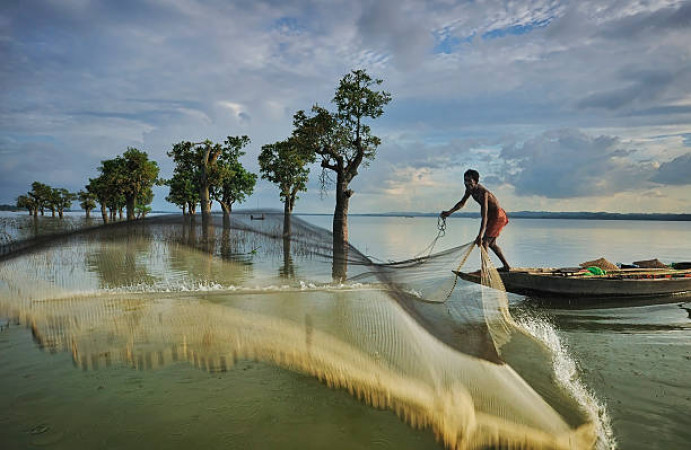
The town of Sribhumi lies on the bank of the Kushiyara River, while the wider district is shaped by the Barak, Longai and Singla river systems. One of its most remarkable natural attractions is Son Beel, a vast seasonal wetland known for its changing landscape, fisheries, birdlife and scenic surroundings.
History lovers can explore Badarpur Fort and Malegarh, while visitors interested in India's international borders can travel towards Sutarkandi, an important India-Bangladesh trade and border point.
With its combination of natural beauty, history, rivers, traditional culture and borderland character, Sribhumi offers travelers a distinctive experience in southern Assam.
Sribhumi (Karimganj) at a Glance
| Particular | Details |
|---|---|
| State | Assam |
| Current District Name | Sribhumi |
| Former Name | Karimganj |
| Region | Barak Valley |
| District Area | 1,809 sq. km |
| Population | 12,28,686 (2011 Census) |
| Population Density | 673 persons per sq. km |
| Sex Ratio | 961 females per 1,000 males |
| Literacy Rate | 79.72% |
| International Border | 92 km with Bangladesh |
| Major River | Kushiyara |
| Other Rivers | Barak, Longai and Singla |
| Major Natural Attraction | Son Beel |
Population, literacy, area and demographic figures are based on Census 2011 data published by the district administration.
History
The early history of the present-day Sribhumi region is complex and is connected with several important kingdoms and political powers of eastern and northeastern India. Historical evidence indicates that the region was associated with the ancient Kamrupa kingdom from around the sixth century.
During later periods, parts of the region came under the influence of the Samatata kingdom, Vanga kingdom and Srihatta kingdom. In the medieval period, the region became connected with the Bengal Sultanate and later formed part of the Mughal Empire.
During the British period, the region became part of the larger Sylhet administrative area. The Karimganj sub-division was created in 1878 with Karimganj town as its headquarters.
The region also played a role in the Indian freedom movement. The Chargola Exodus, an important labour movement involving tea garden workers, originated in the Chargola Valley of the Karimganj sub-division.
During the events of 1857, rebel sepoys moving through the region fought British forces near Latu. The event became known as the Battle of Latu, and the Malegarh area remains associated with this history.
After the Partition of India in 1947, most of Sylhet went to East Pakistan, while parts of the Karimganj sub-division remained in Assam. The Karimganj sub-division became an independent district on 1 July 1983.
In November 2024, the Government of Assam renamed Karimganj district as Sribhumi district and Karimganj town as Sribhumi town. Official government departments subsequently adopted the new name.
Geography
Sribhumi is located in the southern part of Assam and forms part of the Barak Valley along with Cachar and Hailakandi.
The district covers approximately 1,809 sq. km and contains a mixture of agricultural plains, wetlands, hills and forests. Around 30% of the district's geographical area is covered by forest according to the district's geographical information.
The district shares approximately 92 km of international boundary with Bangladesh. Parts of this boundary are formed by the Kushiyara River, while other sections follow land and hill terrain.
Sribhumi is surrounded by Bangladesh and Cachar towards the north, Mizoram and Tripura towards the south, Bangladesh and Tripura towards the west, and Hailakandi towards the east.
Major Rivers
- Kushiyara River
- Barak River
- Longai River
- Singla River
The Barak enters the district near Badarpurghat and later divides into the Kushiyara and Surma branches. The Kushiyara flows westwards towards Bangladesh and forms an important geographical feature of the northern part of the district.
Hill Ranges
The district contains several hill ranges, including the Chhatachura Range, Adamail or Patharia Range and Duhalia or Pratapgarh Range. These hills create a varied landscape of plains, forests and elevated terrain.
Culture and Traditions
Sribhumi reflects the diverse cultural character of the Barak Valley. Assamese and Bengali cultural influences are particularly strong, while different communities have contributed to the region's traditions, language, food, music and festivals.
The cultural identity of the region is strongly influenced by its historical connection with the wider Sylhet and Barak Valley area. Traditional music, religious celebrations, local food and community festivals form an important part of everyday life.
Handloom and traditional clothing also have cultural importance. Visitors can find regional textiles and garments in local markets, along with handicrafts and everyday products from the Barak Valley.
Religious and community festivals are celebrated throughout the district, reflecting the area's diverse population and traditions.
Architecture
The architectural heritage of Sribhumi includes historic forts, religious structures, colonial-era influences and traditional settlements. Its most notable heritage structures are closely connected with the region's strategic and political history.
Badarpur Fort
Badarpur Fort is a historic fort built during the Mughal period on the banks of the Barak River. The fort reflects the strategic importance of the region during earlier periods.
Historic Religious Structures
The wider Sribhumi region contains temples, mosques and other religious structures reflecting the cultural diversity of the Barak Valley.
Traditional Settlements
Villages and older settlements across the district reflect the traditional relationship between communities, agriculture, rivers and the surrounding landscape.
Famous Places
Son Beel
Son Beel, also known as Shon Beel, is the most remarkable natural attraction of Sribhumi. The seasonal wetland changes dramatically throughout the year. During the drier period, portions of the wetland are used for rice cultivation, while during the rainy season the area fills with water and becomes a large lake.
The district administration describes Son Beel as the second-largest seasonal wetland in Asia and the largest wetland in Assam. It is also important for fishing and supports a distinctive wetland ecosystem.
The best time to experience the lake in its full-water form is generally from around March through the rainy season into early winter, although exact conditions vary by year.
Badarpur Fort
Badarpur Fort is a Mughal-era fort situated on the banks of the Barak River. It is located approximately 27 km from Sribhumi town and can be reached by road using buses, taxis and local transport.
Malegarh
Malegarh near Latu is associated with the events of the 1857 Sepoy Mutiny. The area witnessed a confrontation between rebel sepoys and British forces, and the graves of soldiers connected with the battle remain an important historical reminder.
Sutarkandi Indo-Bangladesh Border
Sutarkandi is an important India-Bangladesh border point and international trade centre. It is approximately 14 km from Sribhumi town and includes a major customs check post supporting cross-border trade.
The border area offers visitors an opportunity to understand the geography and importance of India's international frontier, although visitors should follow all security and photography restrictions.
Kushiyara River
The Kushiyara River flows along Sribhumi town and is one of the defining geographical features of the district. The river landscape is closely connected with the history, agriculture and transportation of the region.
Patharia and Surrounding Hills
The hill ranges around Sribhumi create opportunities for scenic drives, photography and nature-oriented travel. The Patharia or Adamail range is particularly important because it forms part of the western landscape and international boundary.
Famous Dishes
Shutki Bhorta
Shutki Bhorta is a traditional preparation made using dried fish, herbs, spices and other ingredients. It reflects the strong fish-based culinary traditions of the Barak Valley.
Fish Curry
Freshwater fish is an important part of local cuisine because of the region's rivers and wetlands. Local fish curry preparations are commonly enjoyed with rice.
Panta Bhaat
Panta Bhaat is fermented or soaked rice traditionally enjoyed with salt, chilli, vegetables and other accompaniments. It is particularly associated with rural food traditions of eastern India and the Barak-Sylhet cultural region.
Pitha
Pitha includes a variety of traditional rice-based delicacies prepared during festivals and special occasions. Different households and communities have their own styles of preparation.
Rice and Fish Meals
Rice with fish, vegetables and local side dishes forms a familiar traditional meal across the Barak Valley. The abundance of rivers and wetlands has helped make fish an important part of local food culture.
Tea and Local Snacks
Tea is an important part of everyday life in Assam. Visitors can also find a variety of Bengali-Assamese snacks and sweets in local markets and restaurants.
Famous Personalities
Radharam
Radharam, a local zamindar of the late eighteenth century, became an important historical figure in the region because of his resistance to British authority. His defeat in 1786 marked the establishment of stronger British control around Karimganj.
Kanaklal Barooah
Kanaklal Barooah was an important Assamese historian, scholar and public figure whose work contributed to the understanding of Assam's history and culture. His broader regional significance makes him relevant to the cultural history of southern Assam.
The district's documented historical sources provide stronger evidence for historical figures and regional personalities than for a large list of modern celebrities. The list therefore focuses on figures with meaningful historical or cultural relevance.
Festivals
Bihu
Bihu is celebrated across Assam and is also observed in Sribhumi. Bohag Bihu marks the Assamese New Year and is associated with music, dance, food and community celebrations.
Durga Puja
Durga Puja is widely celebrated throughout the Barak Valley. Temples, community pandals, cultural programmes and traditional rituals create a festive atmosphere in towns and villages.
Kali Puja and Diwali
Kali Puja and Diwali are celebrated with religious ceremonies, lamps, decorations and community gatherings.
Eid
Eid is an important festival for the Muslim community of the region and is marked by prayers, family gatherings and traditional food.
Ambubachi and Other Religious Festivals
Various Hindu religious festivals are observed throughout the district. Community celebrations reflect the diverse religious and cultural traditions of the Barak Valley.
Things to Do
- Visit Son Beel: Experience one of the region's most remarkable seasonal wetlands.
- Explore Badarpur Fort: Discover a historic Mughal-era fort beside the Barak River.
- Visit Malegarh: Learn about the 1857 Sepoy Mutiny and the Battle of Latu.
- Explore Sutarkandi: See an important India-Bangladesh border and international trade point.
- Enjoy Riverside Views: Spend time near the Kushiyara and Barak river landscapes.
- Photography: Capture wetlands, hills, rivers, villages and historic structures.
- Try Local Cuisine: Taste fish preparations, rice-based dishes, pitha and regional snacks.
- Explore Local Markets: Discover traditional textiles, food products and everyday goods.
- Experience Local Festivals: Plan a visit around Bihu, Durga Puja or other regional celebrations.
- Explore Rural Landscapes: Travel through agricultural areas and villages around the district.
Where to Eat, Shop, and Stay
Where to Eat
Sribhumi town has local restaurants and eateries offering rice meals, fish preparations, Bengali-style dishes, Assamese food and everyday Indian cuisine.
For travelers looking for regional food, local restaurants and traditional eateries are generally better choices than relying only on national restaurant chains.
Where to Shop
Local markets in Sribhumi town are useful for exploring everyday products, fresh produce, sweets, clothing and regional goods.
Visitors interested in traditional products can look for handloom textiles, local handicrafts and Barak Valley food products.
Where to Stay
Sribhumi town is the most convenient base for exploring the district. Visitors can choose from local hotels, guesthouses and other accommodation options depending on their budget.
- Budget: Local hotels and guesthouses around the town centre.
- Mid-Range: Established hotels around central Sribhumi and major roads.
- Longer Nature Trips: Plan accommodation in advance if visiting Son Beel and surrounding rural areas.
What is Sribhumi (Karimganj) Famous For?
Sribhumi is best known for its combination of Son Beel, Barak Valley culture, Badarpur Fort, Malegarh's 1857 history, the Kushiyara River and the Sutarkandi India-Bangladesh border.
- Son Beel – A spectacular seasonal wetland.
- Badarpur Fort – A Mughal-era historical landmark.
- Malegarh – Associated with the 1857 Sepoy Mutiny.
- Sutarkandi – An important international border and trade centre.
- Kushiyara River – A major geographical feature of the town.
- Barak Valley Culture – A distinctive blend of Assamese and Bengali influences.
- Fish-Based Cuisine – An important part of local food traditions.
Best Time to Visit
The best time to visit Sribhumi depends on the type of experience you want.
| Period | What to Expect | Best For |
|---|---|---|
| October–February | Generally comfortable weather | Town sightseeing and heritage visits |
| March–April | Son Beel begins filling with water | Wetland landscapes and photography |
| May–September | Rainy season and high water levels | Son Beel scenery and lush landscapes |
| October–November | Post-monsoon landscape | Nature and photography |
For Son Beel: The district administration specifically notes that the wetland is best experienced when it is filled with water, generally from around March onwards through the rainy season and into the beginning of winter. Weather and water conditions can vary from year to year.
How to Reach
By Air
Sribhumi does not have its own commercial airport. The nearest major airport is Silchar Airport at Kumbhirgram, in neighbouring Cachar district. The district administration places the airport approximately 83 km from Sribhumi town.
From the airport, travelers can continue by taxi or road transport.
By Train
Sribhumi/Karimganj Railway Station provides rail connectivity to the Barak Valley and surrounding regions. Badarpur Junction, located in the district, is an important railway junction for southern Assam and the wider Barak Valley.
Rail connections also link the region with destinations such as Guwahati, Silchar and parts of Tripura and Mizoram.
By Road
Road travel is one of the main ways to reach Sribhumi. The district is connected by major roads towards Silchar, Hailakandi, Tripura, Meghalaya and other parts of Assam.
National Highway connectivity provides an important road corridor through the district towards Tripura.
By River
The Kushiyara and Barak river systems have historically supported river transportation and trade. However, river transport services can be irregular, so travelers should confirm current availability before relying on waterways for their journey.
Nearby Places
Silchar
Silchar, the major urban centre of the Barak Valley, is a convenient nearby destination for shopping, accommodation, transport and exploring southern Assam.
Hailakandi
Hailakandi is another important town of the Barak Valley and can be included in a wider southern Assam itinerary.
Badarpur
Badarpur is known for its historic fort, railway junction and location beside the Barak River. It is particularly suitable for travelers interested in history and transport heritage.
Tripura
Sribhumi's location close to Tripura makes it possible to combine the trip with destinations in the neighbouring state, subject to road and travel conditions.
Mizoram
The southern part of the district is geographically close to Mizoram, making the region useful as part of a wider Northeast India road itinerary.
Bangladesh Border Region
The Sutarkandi border area provides a distinctive cross-border landscape. Visitors should follow all official security, identification and photography regulations around the international border.
Best Duration for a Trip
2 days is suitable for exploring the main attractions around Sribhumi.
| Day | Suggested Plan |
|---|---|
| Day 1 | Explore Sribhumi town, Kushiyara River area, local markets and nearby heritage sites. |
| Day 2 | Visit Badarpur Fort, Malegarh or Sutarkandi depending on your interests. |
For travelers who want to spend more time at Son Beel, explore rural areas or combine the trip with Silchar and other Barak Valley destinations, 3–4 days is a better option.
Travel Tips
- Remember that Karimganj is now officially known as Sribhumi in current Assam government records.
- Older maps, websites and local references may still use the name Karimganj.
- Check the weather before visiting Son Beel, especially during the monsoon.
- Carry comfortable footwear for wetland, rural and heritage-site visits.
- Carry rain protection during the rainy season.
- Respect local customs and religious practices.
- Ask permission before photographing people or private cultural activities.
- Carry valid identification when traveling near the international border.
- Follow instructions from BSF, customs and other authorities around Sutarkandi.
- Do not photograph restricted installations or security personnel unless permitted.
- Confirm local road and transport conditions before traveling to remote areas.
- Book accommodation in advance during major festivals or peak travel periods.
- Try local fish and rice-based dishes from clean and reliable eateries.
- Carry drinking water and basic medicines when exploring rural areas.
Why Visit Sribhumi?
Sribhumi is worth visiting because it offers a side of Assam that is different from the state's better-known destinations. Its character comes from the meeting of Barak Valley culture, rivers, wetlands, hills, history and India's international border.
The extraordinary seasonal transformation of Son Beel, the historical importance of Badarpur Fort and Malegarh, and the strategic importance of Sutarkandi give the destination a varied travel experience.
For travelers interested in nature, history, photography, local culture and less-explored destinations, Sribhumi provides an opportunity to discover southern Assam beyond the conventional tourist route.
Conclusion
Sribhumi, formerly Karimganj, is a fascinating destination in Assam's Barak Valley where rivers, wetlands, hills, history and culture come together.
From the changing waters of Son Beel and the historic walls of Badarpur Fort to the heritage of Malegarh and the international frontier at Sutarkandi, the region offers travelers a distinctive combination of experiences.
Whether you are exploring Assam's natural landscapes, discovering the history of the Barak Valley or planning a wider Northeast India journey, Sribhumi is a destination worth adding to your itinerary.
"Travel is the only thing you buy that makes you richer."